
Ionic Calcium in Oncology
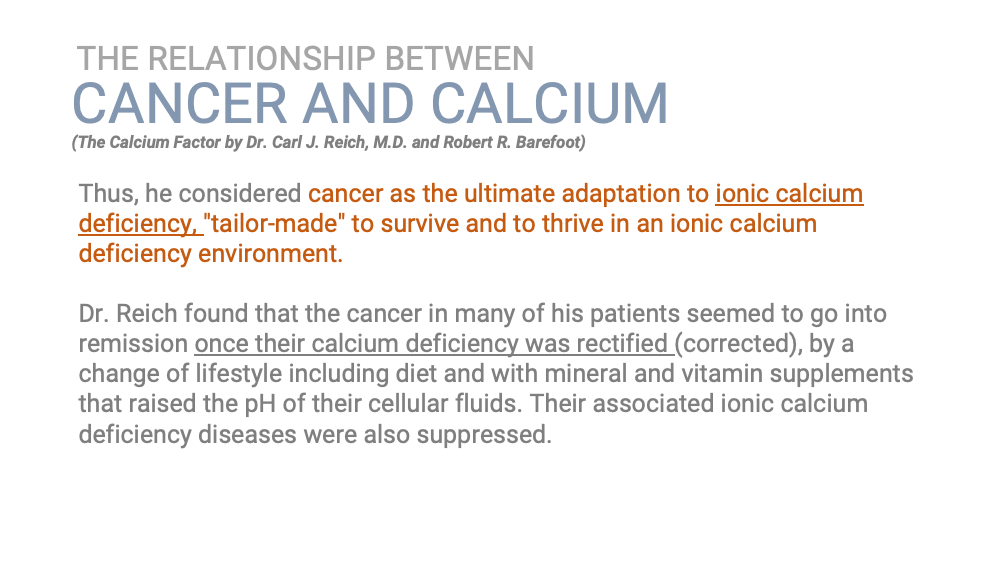
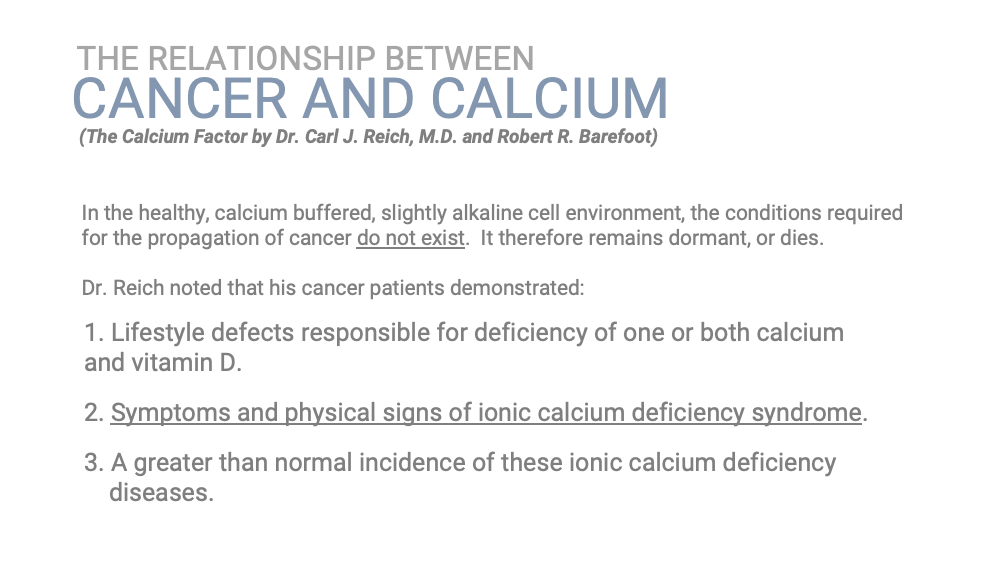
Calcium dysfunction leads to cellular mutation
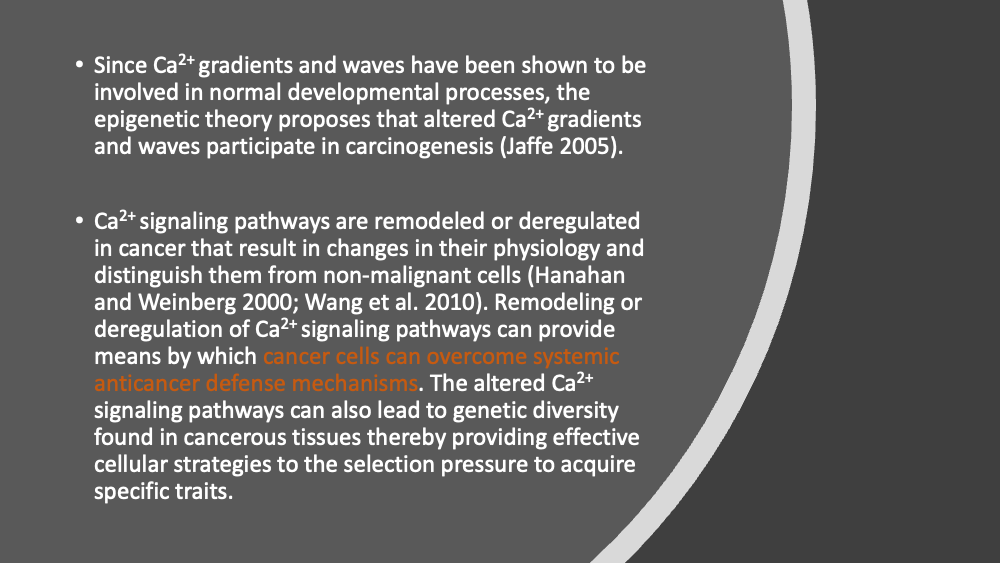
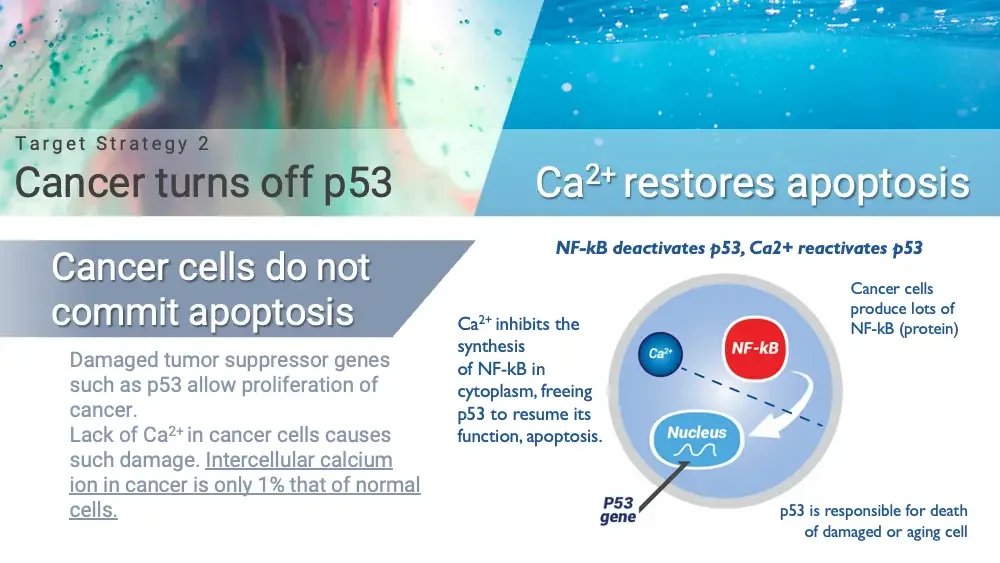
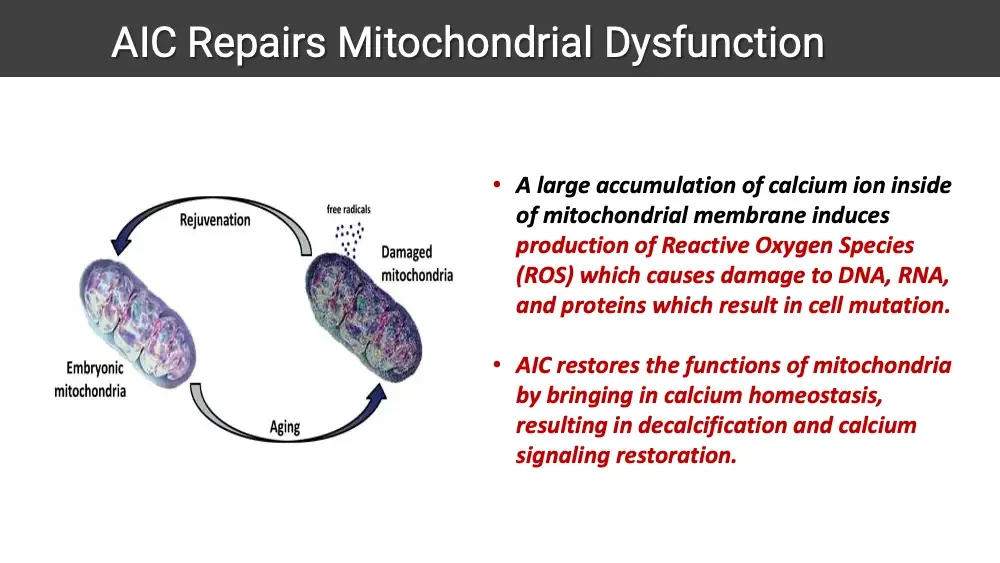
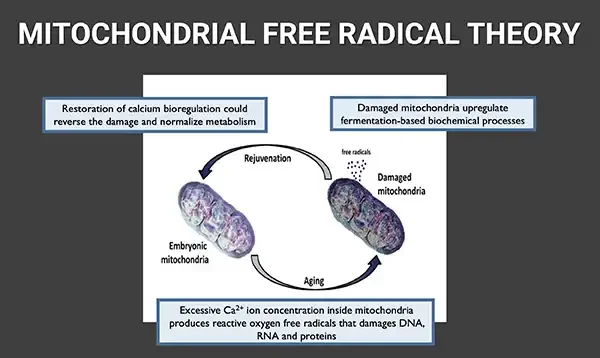
•A large accumulation of calcium ions inside mitochondrial membranes induces the production of Reactive Oxygen Species (ROS), which causes damage to DNA, RNA, and proteins, resulting in cell mutation, the main driving force of aging and cancer.
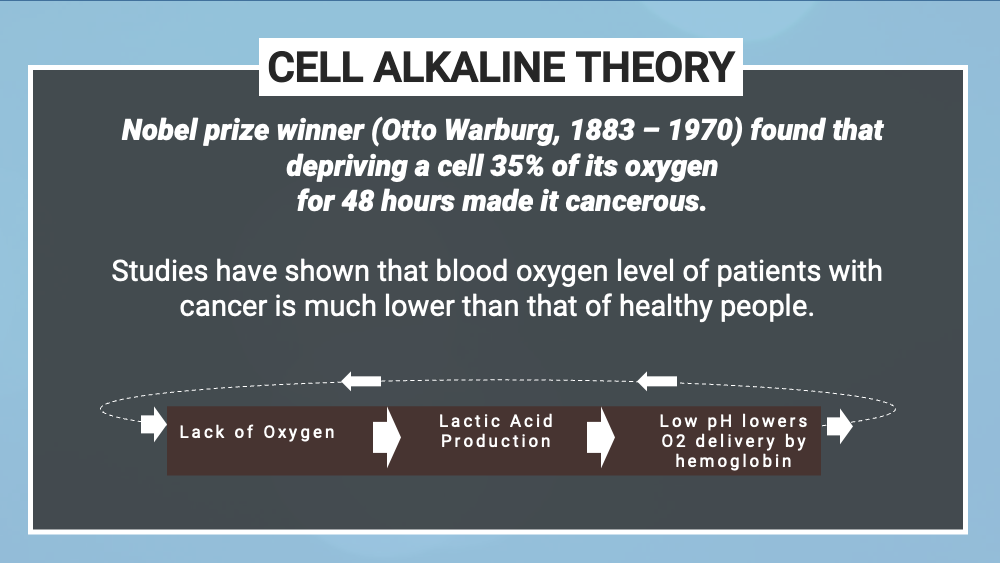
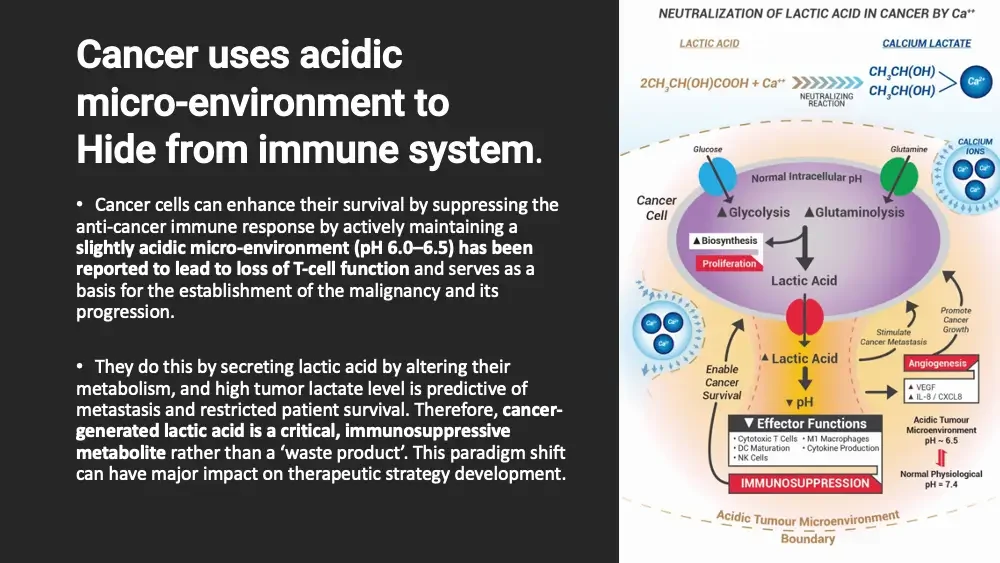
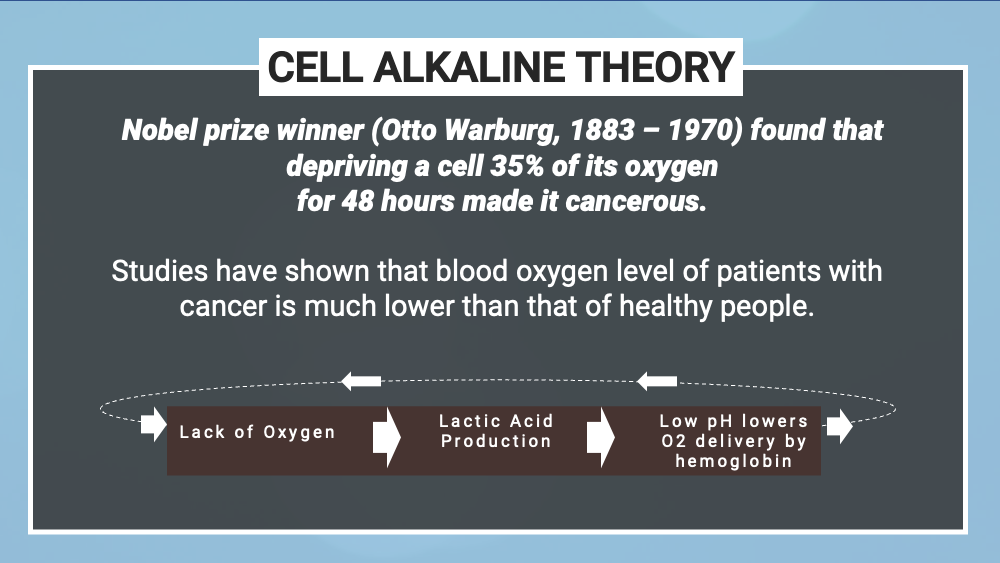
•Mitochondrial damage forces cells to undergo fermentation which upregulates genes to support fermentation, which is cancer cells’ preferred form of metabolism.
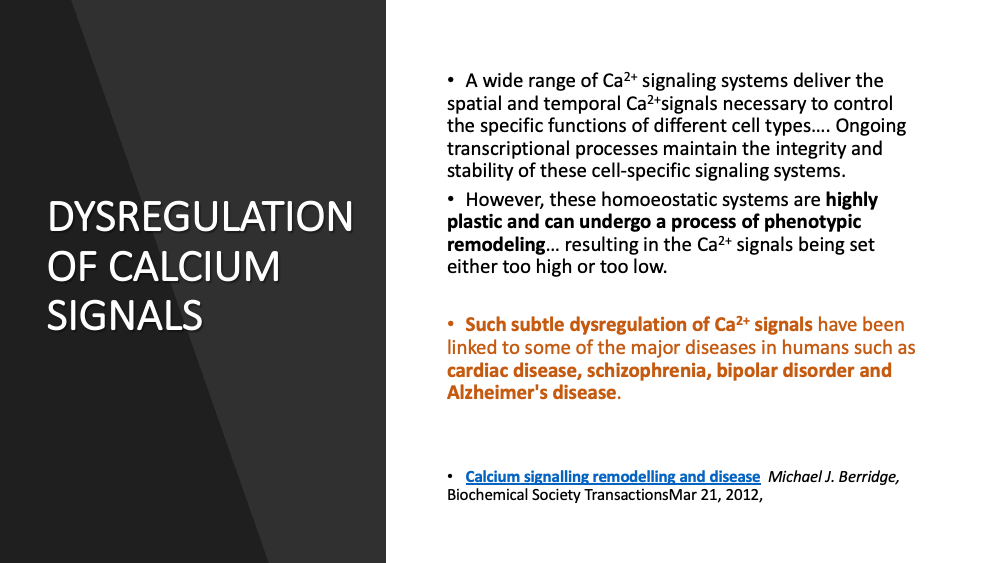
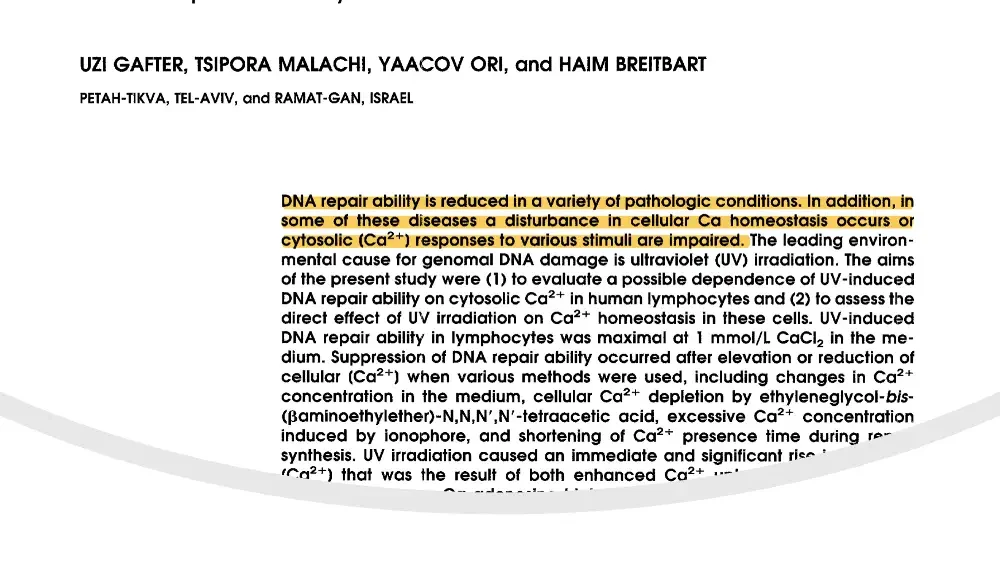
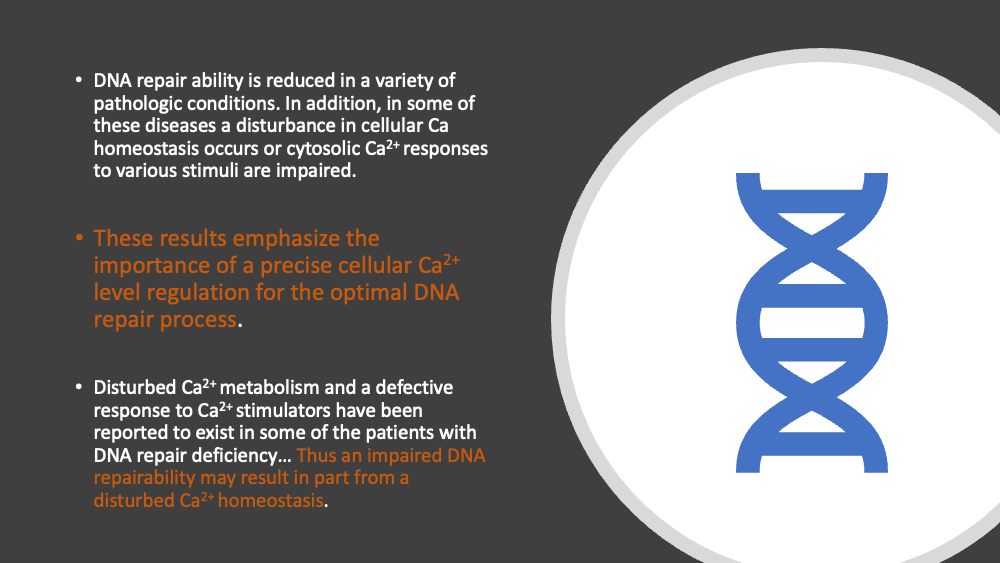
•DNA repair ability is reduced in a variety of pathologic conditions. In addition, in some of these diseases, a disturbance in cellular Ca2+ homeostasis occurs, or cytosolic Ca2+ responses to various stimuli are impaired.
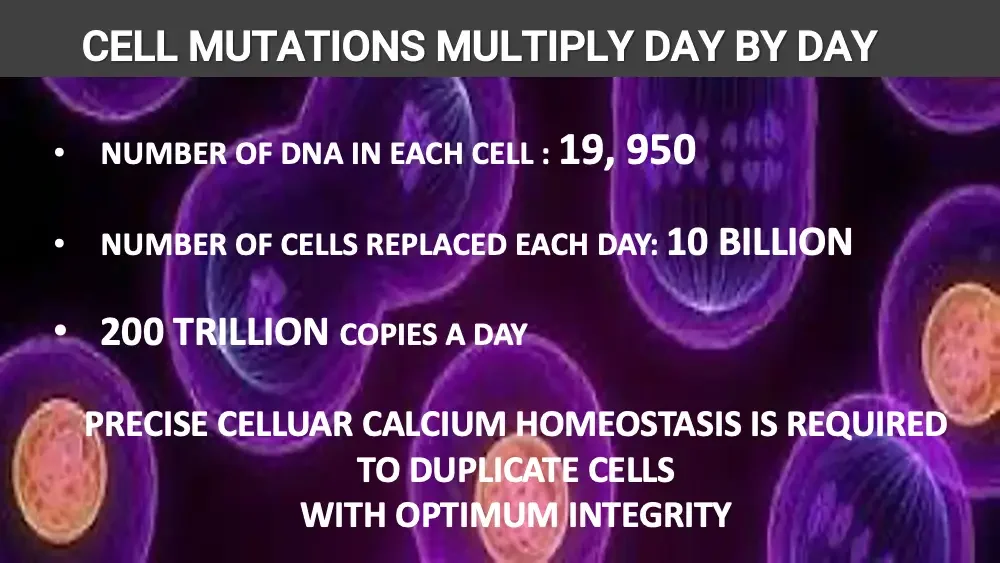
•These results emphasize the importance of precise cellular Ca2+ level regulation for the optimal DNA repair process.
•Disturbed Ca2+ metabolism and defective response to Ca2+ stimulators have been reported to exist in some patients with DNA repair deficiency… Thus impaired DNA repairability may result in part from a disturbed Ca2+ homeostasis.
Calcium Dysfunction leads to mitochondrial dysfunction
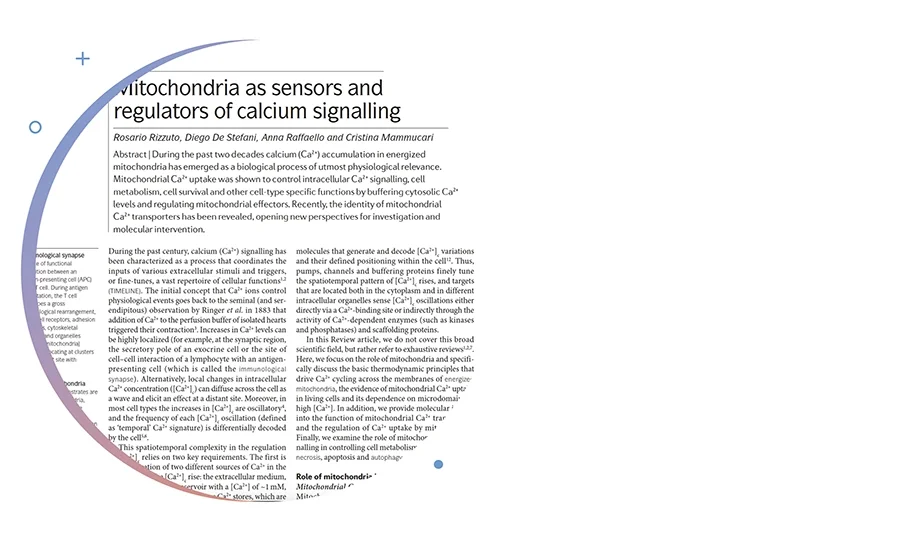
“During the past two decades calcium (Ca2+) accumulation in energized mitochondria has emerged as a biological process of utmost physiological relevance. Mitochondrial Ca2+ uptake was shown to control intracellular Ca2+ signalling, cell metabolism, cell survival and other cell-type specific functions by buffering cytosolic Ca2+ levels and regulating mitochondrial effectors. Recently, the identity of mitochondrial Ca2+ transporters has been revealed, opening new perspectives for investigation and molecular intervention. ”
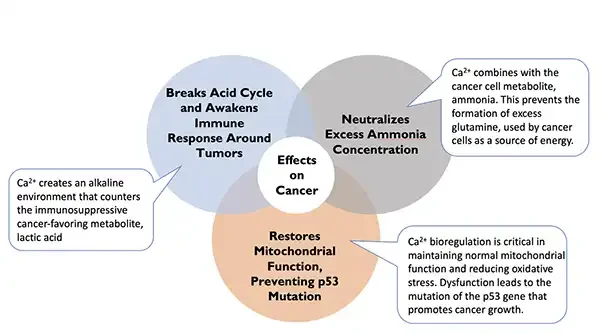
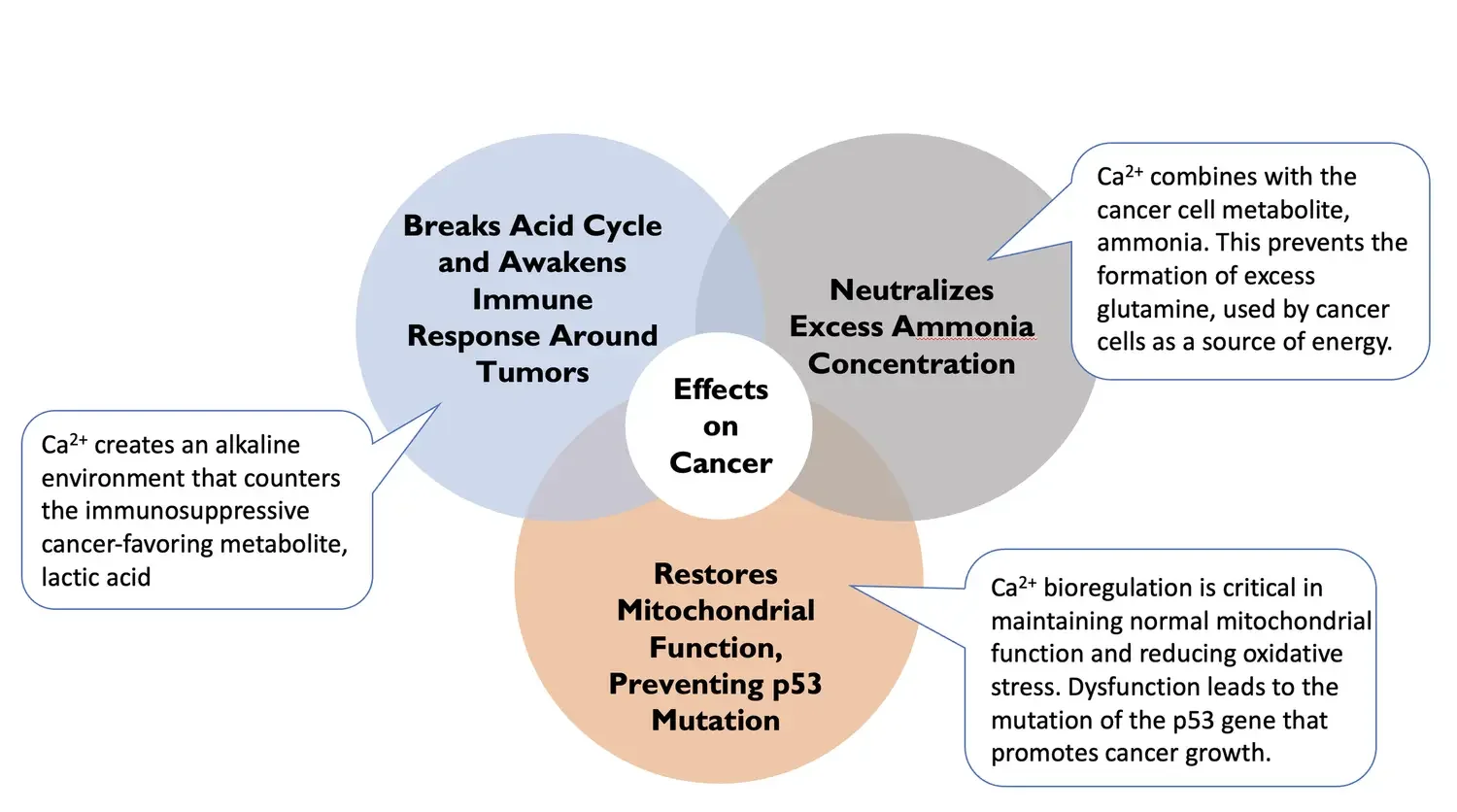
Ionic Calcium Fights Cancer on Multiple Fronts
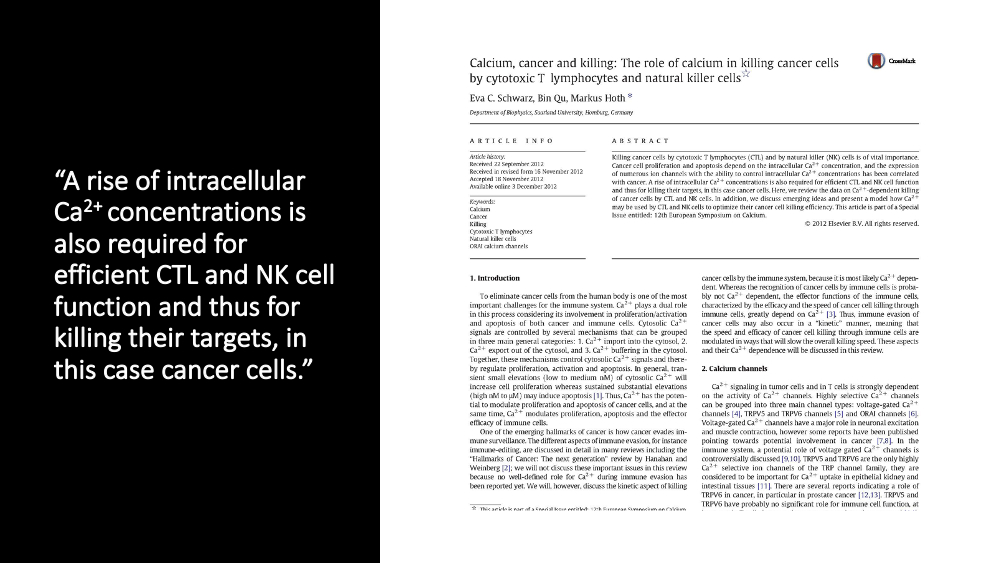
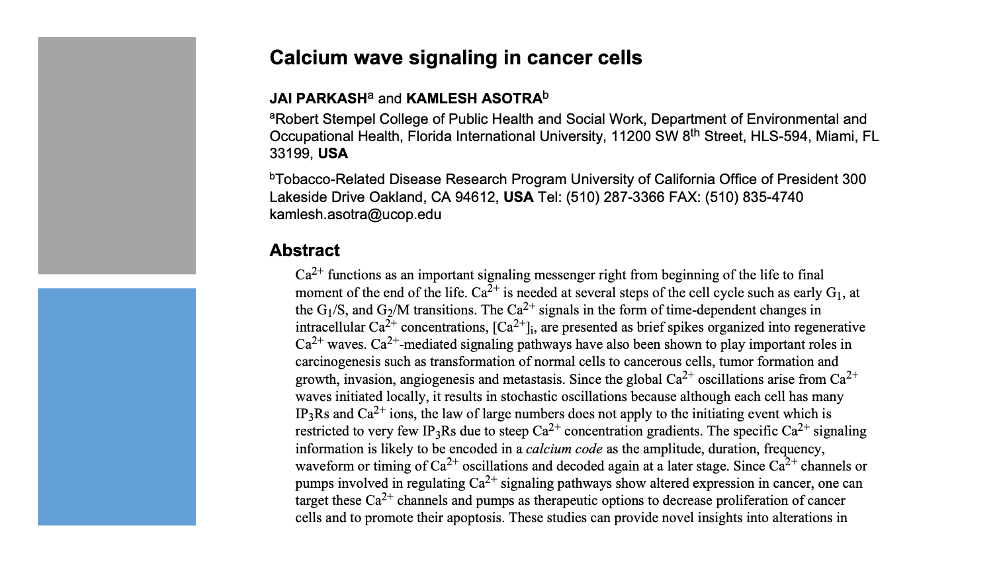
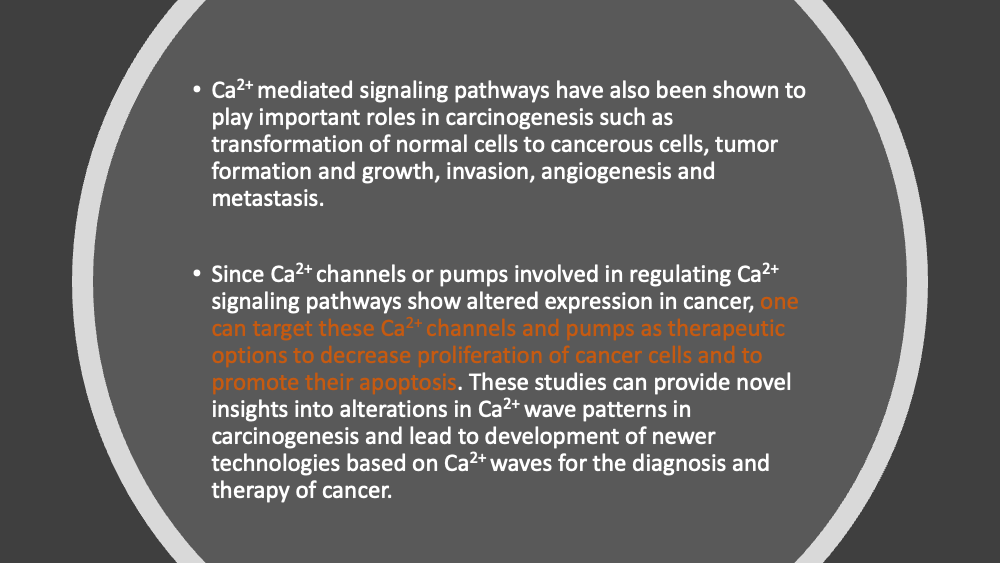
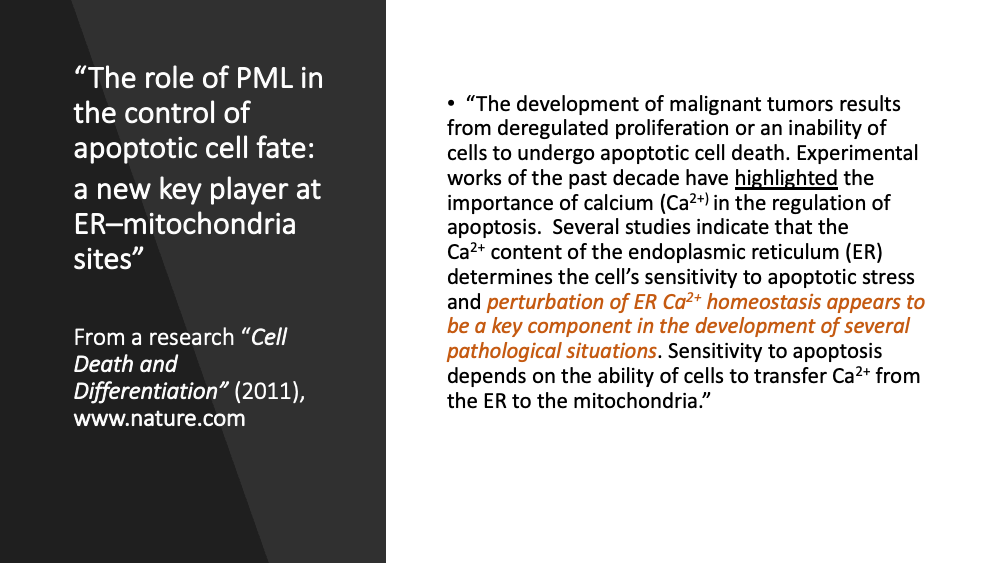
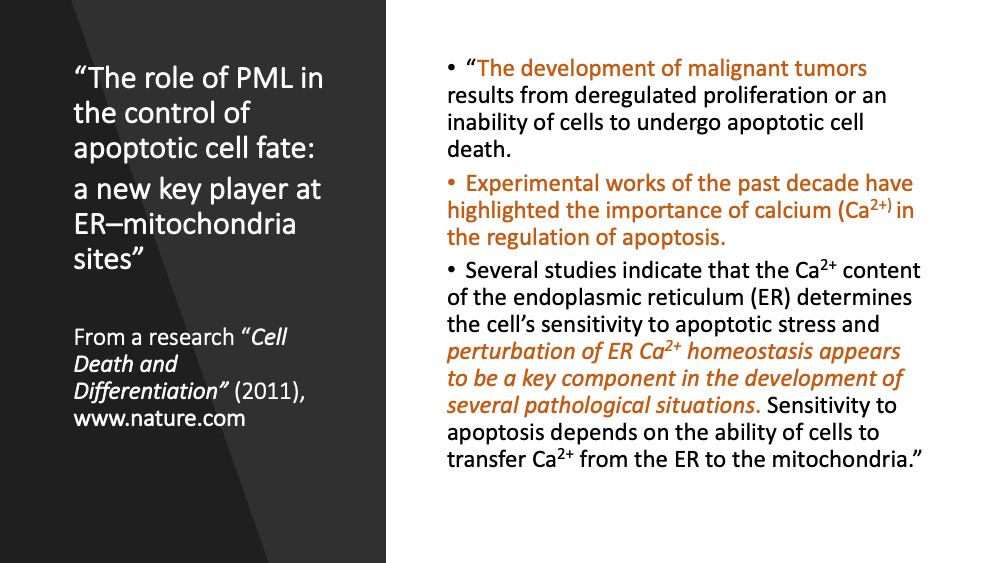
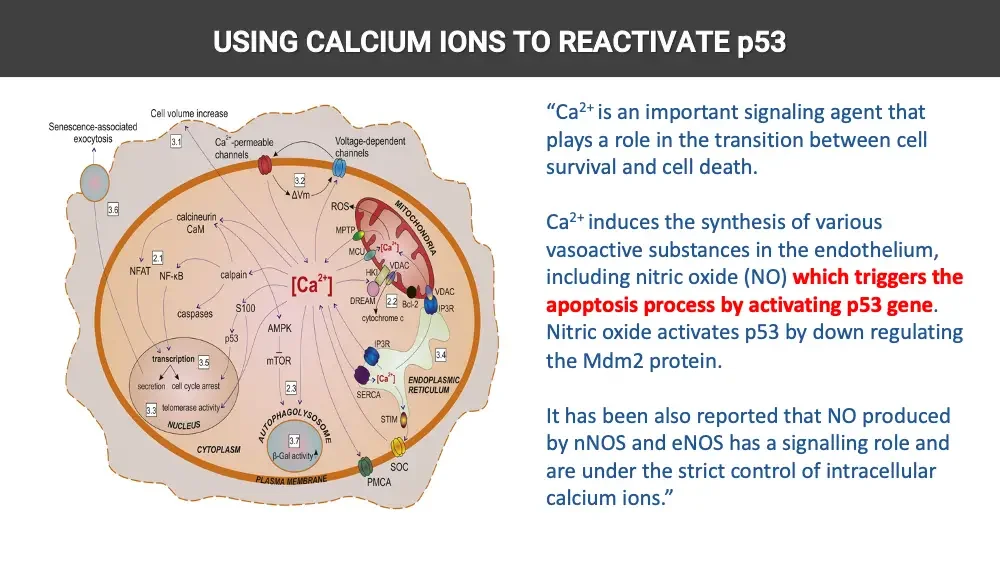
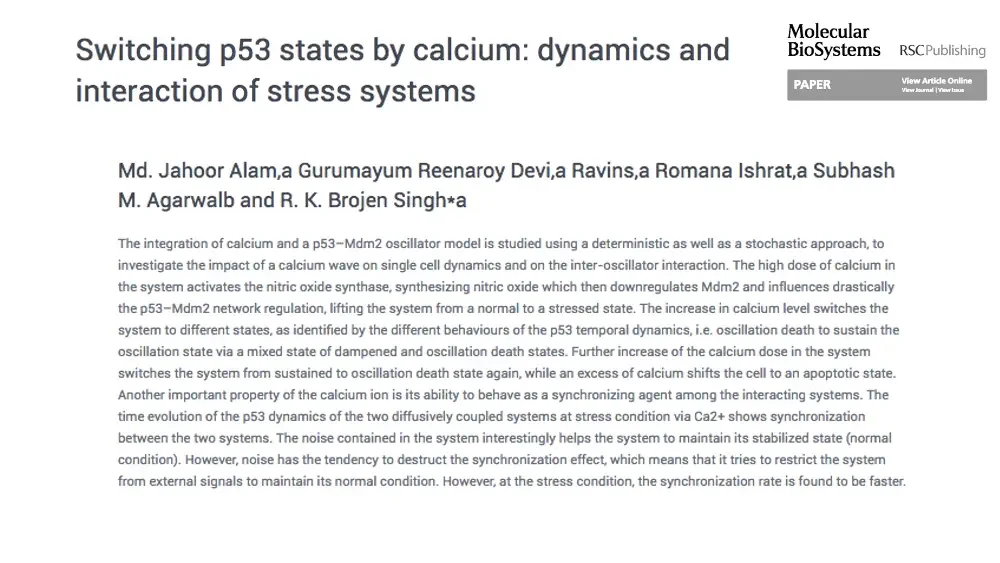
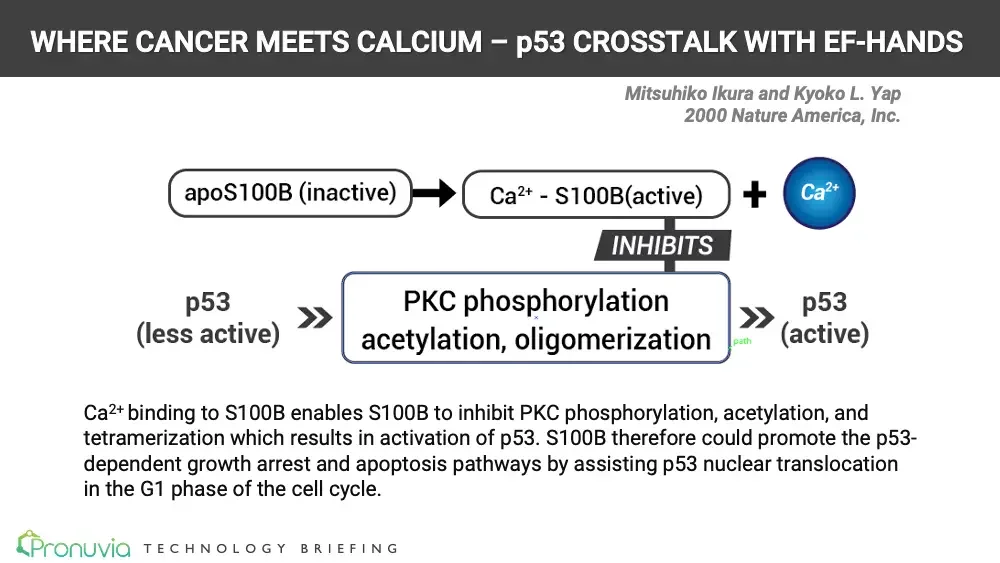
•“The development of malignant tumors results from deregulated proliferation or an inability of cells to undergo apoptotic cell death.
•Experimental works of the past decade have highlighted the importance of calcium (Ca2+) in the regulation of apoptosis.
•Several studies indicate that the Ca2+ content of the endoplasmic reticulum (ER) determines the cell’s sensitivity to apoptotic stress and perturbation of ER Ca2+ homeostasis appears to be a key component in the development of several pathological situations. Sensitivity to apoptosis depends on the ability of cells to transfer Ca2+ from the ER to the mitochondria.”

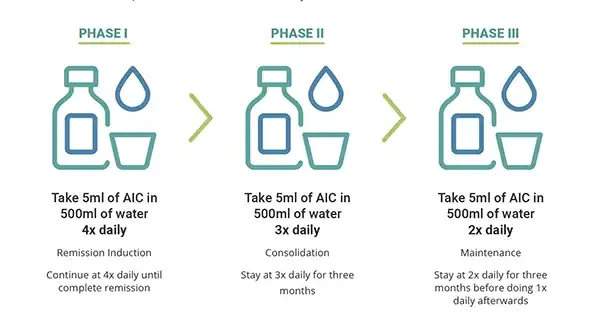
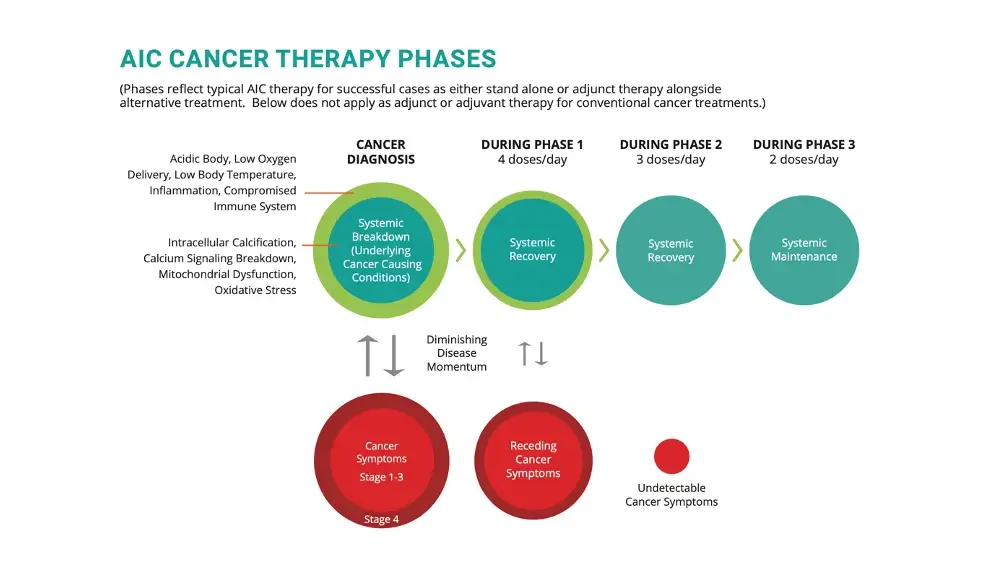
AIC Dosing for ALL Stage Cancers
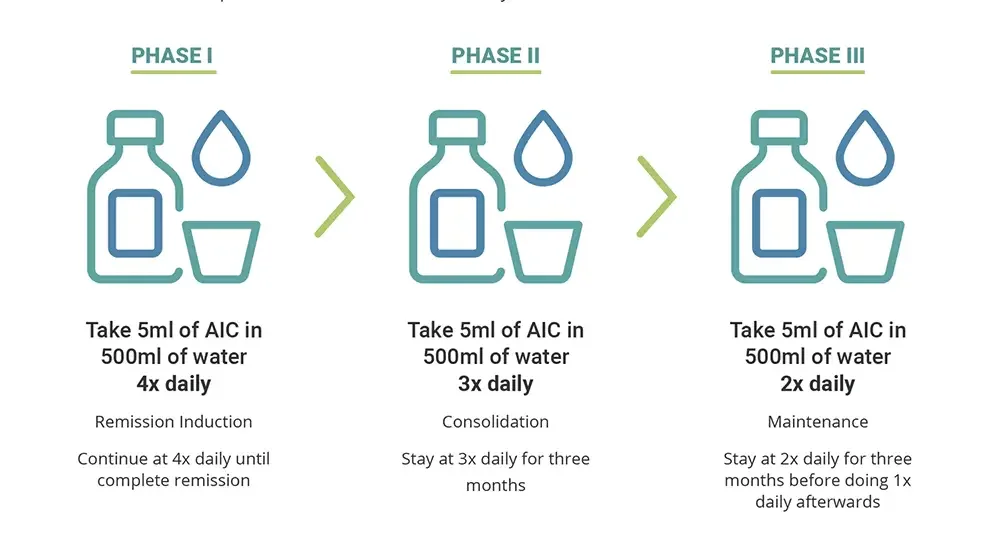
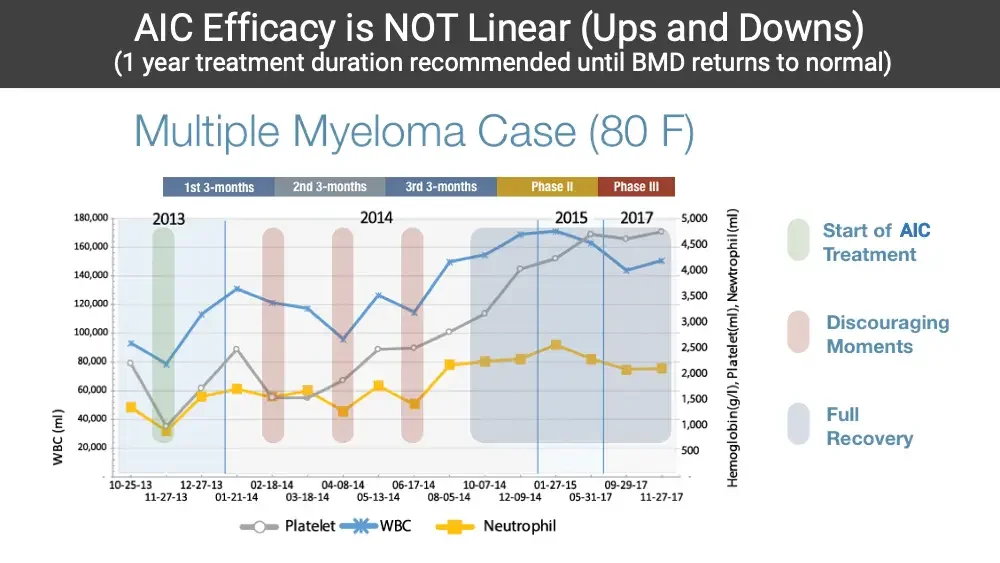
Because AIC Therapy is non-toxic and building healing momentum is important, ACRI recommends minimum 4 doses of AIC therapy daily for a minimum of 3 months to see the benefits of AIC therapy to be convinced to continue.
Please take AIC on an empty stomach at least 30 minutes before a meal. Take one dose after waking up, one at 30 minutes before lunch, one at 30 minutes before dinner, and one at 2 hours before bed. (Ionic calcium could trigger an urge to urinate.
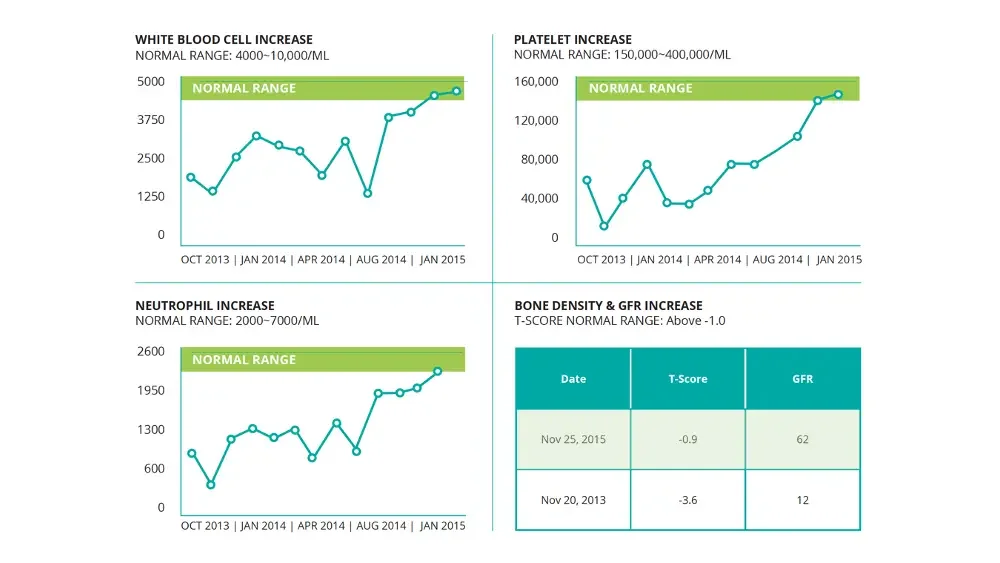
Blood tests are recommended for every 2-4 weeks to monitor progress.
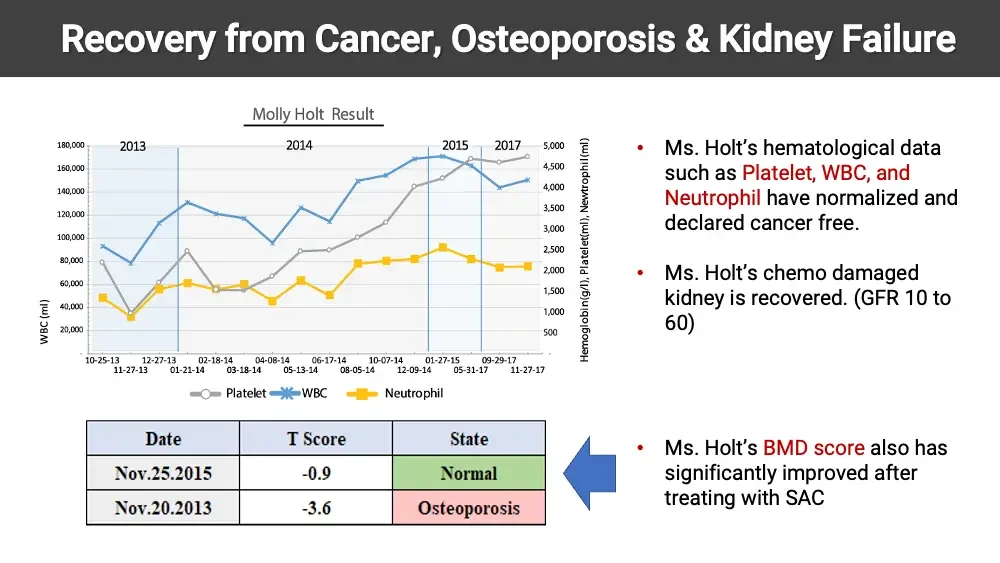
DXA/ultrasound bone scans are also recommended at the beginning of each phase to measure bone health progress. Reaching the minimum T score of -1.0 (normal) is recommended before moving into Phase 3 if the patient started with low bone density.

AIC Ionic Calcium Therapy for Oncology
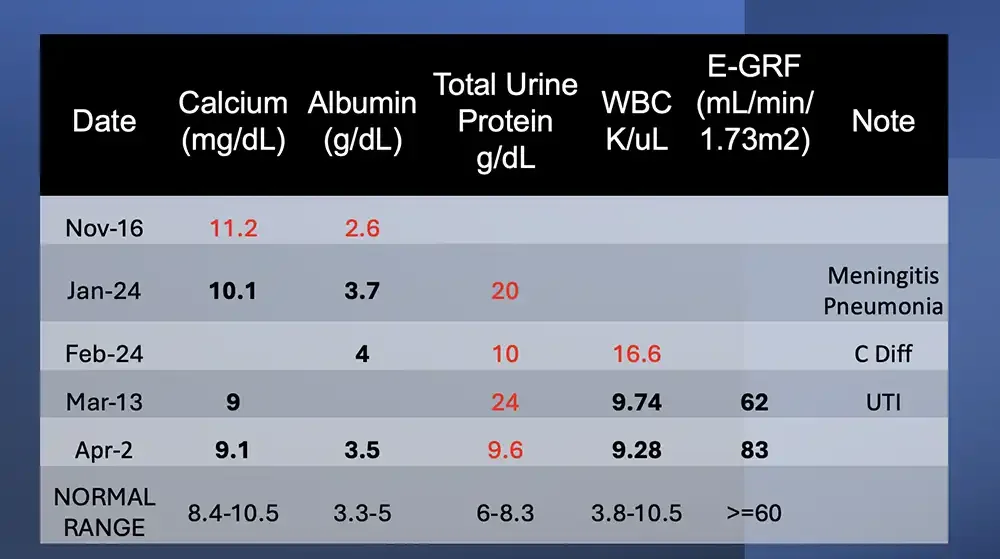
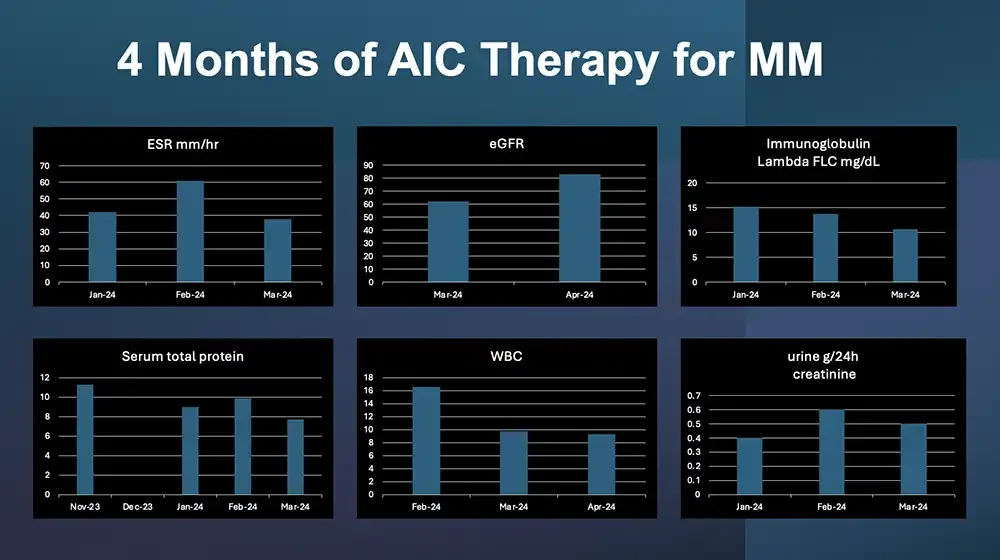
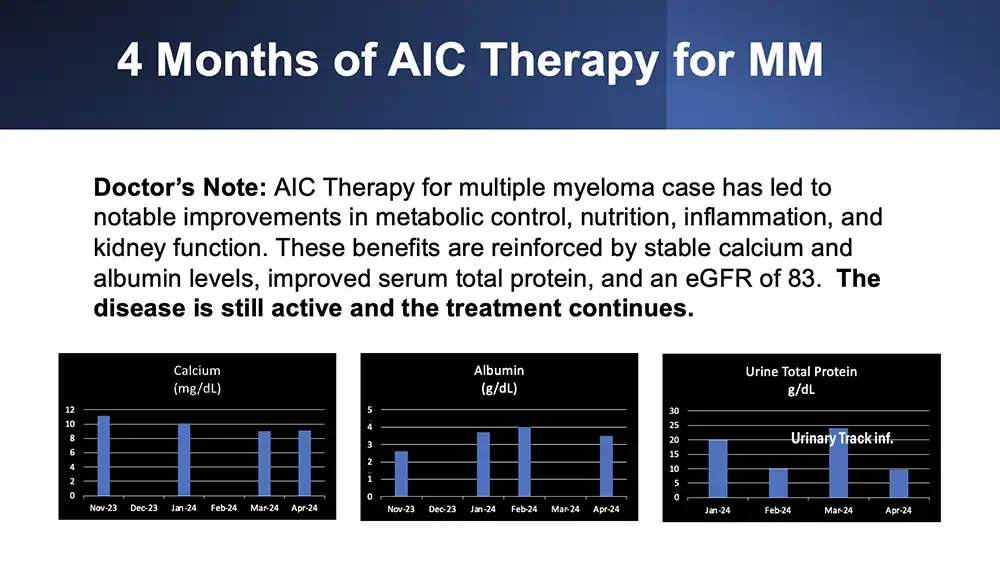
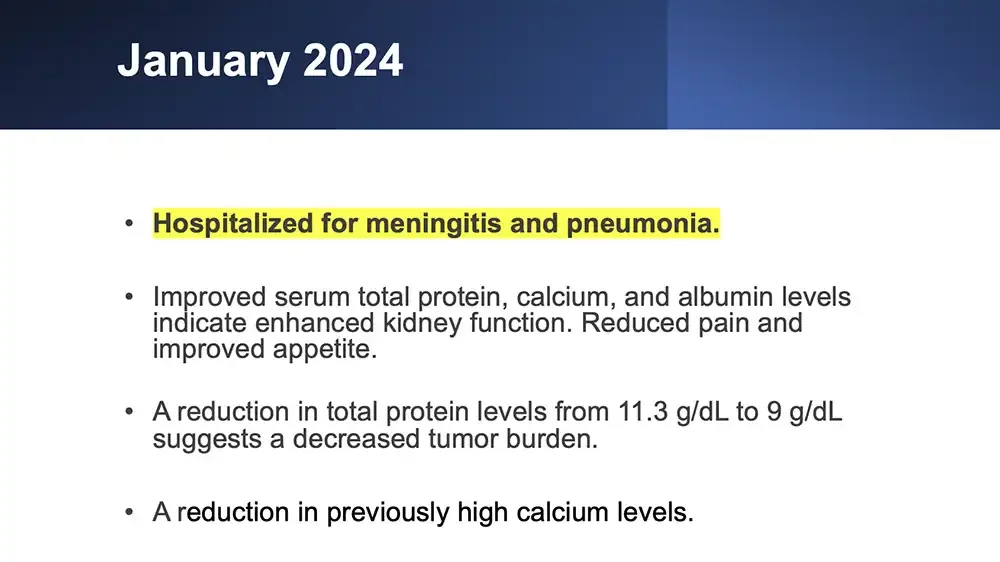
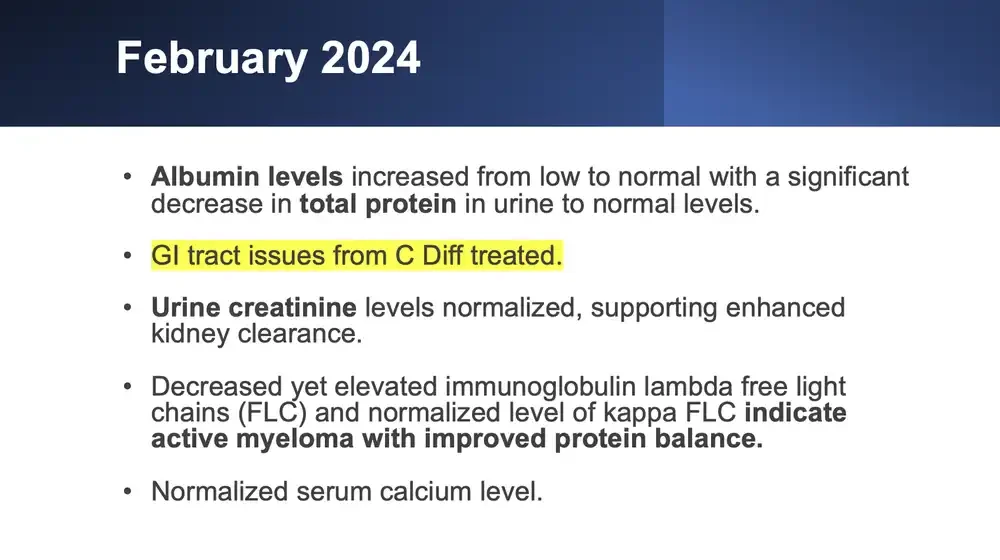
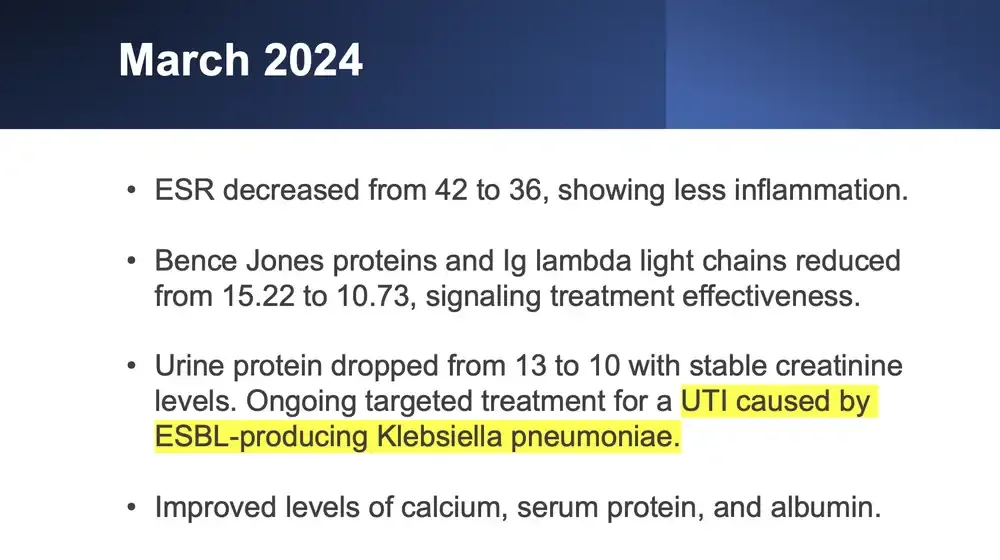
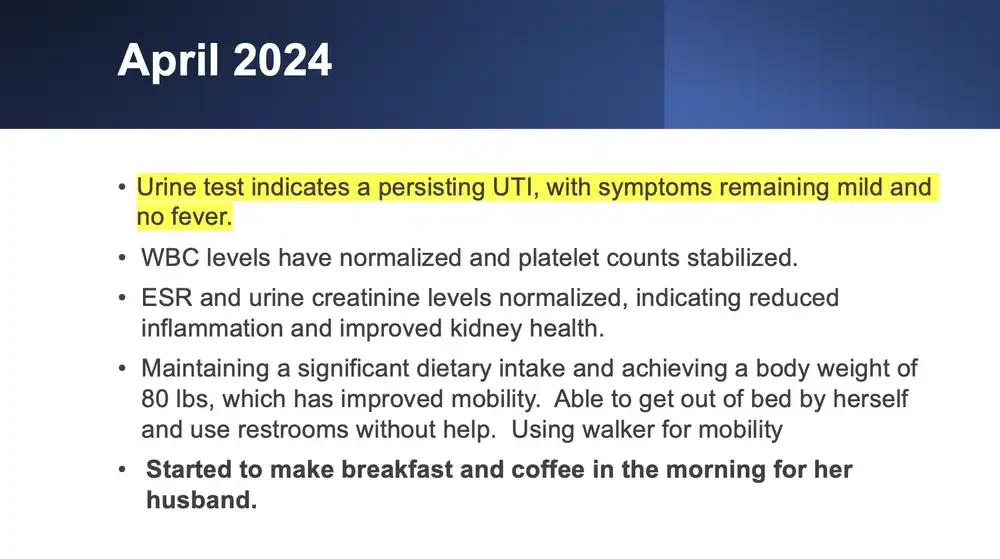
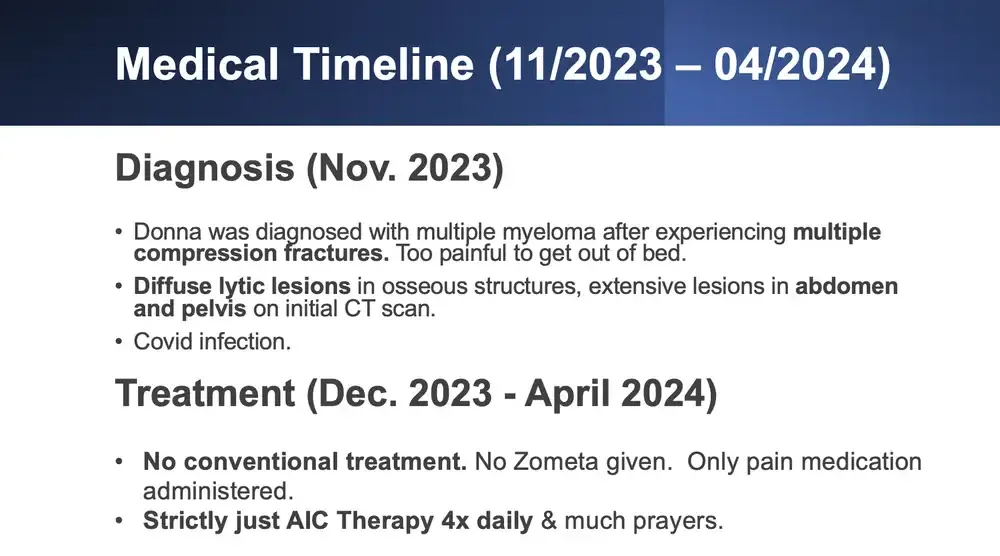
MULTIPLE MYELOMA #1
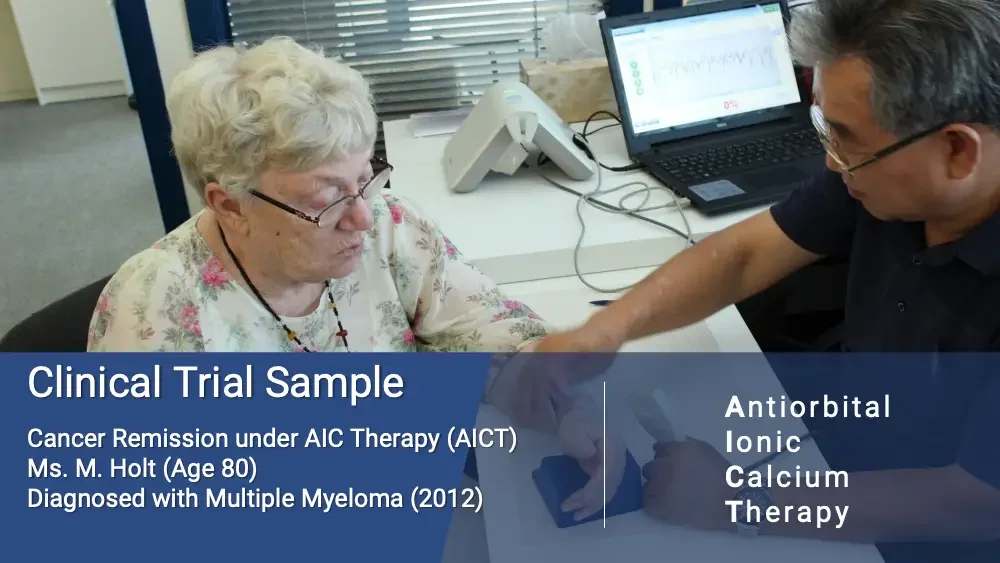
MULTIPLE MYELOMA #2

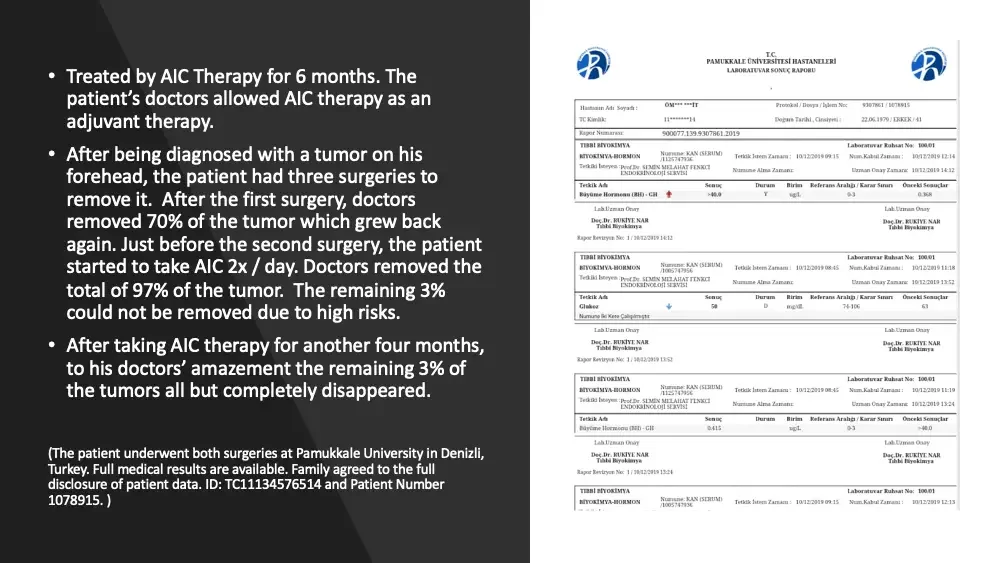
BRAIN CANCER

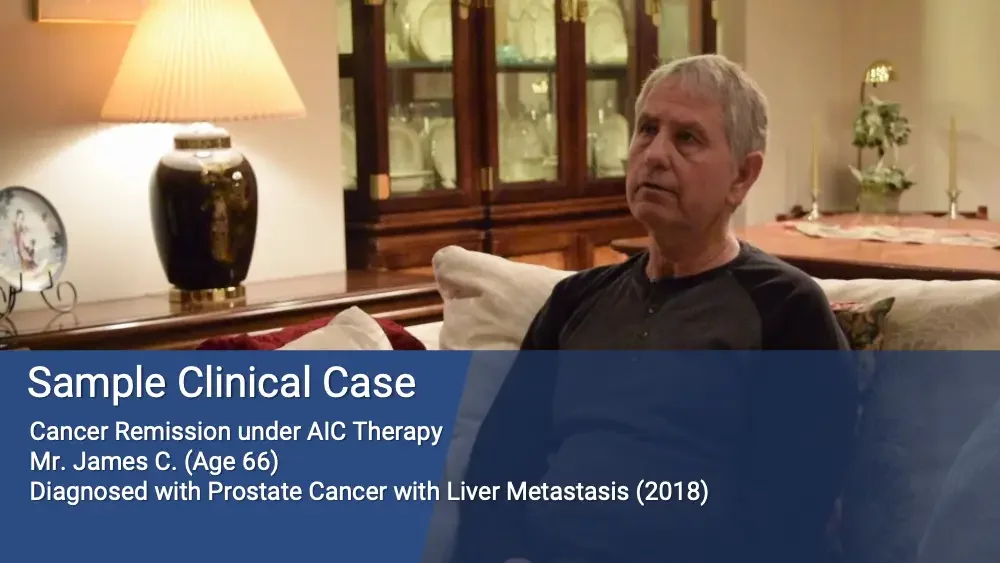
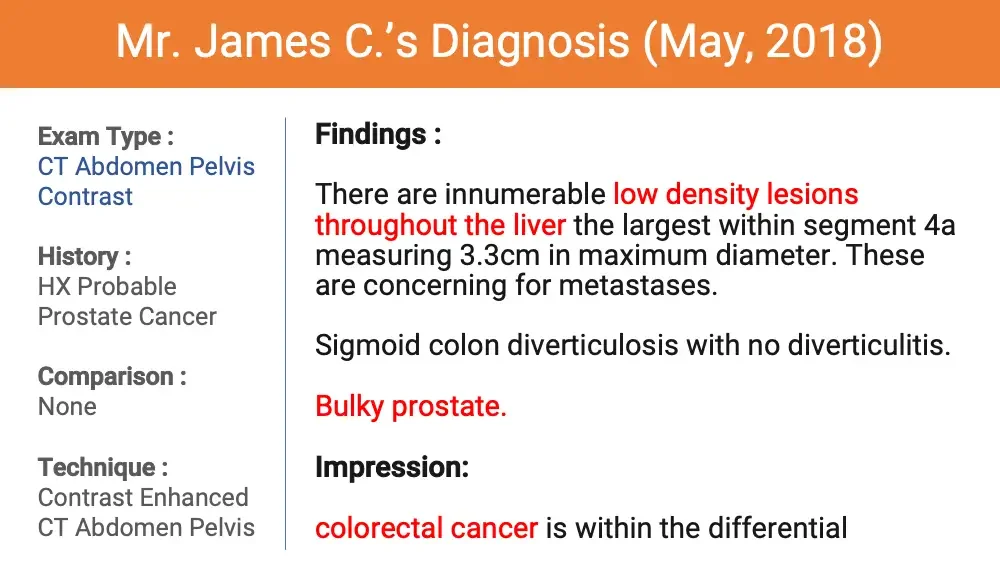
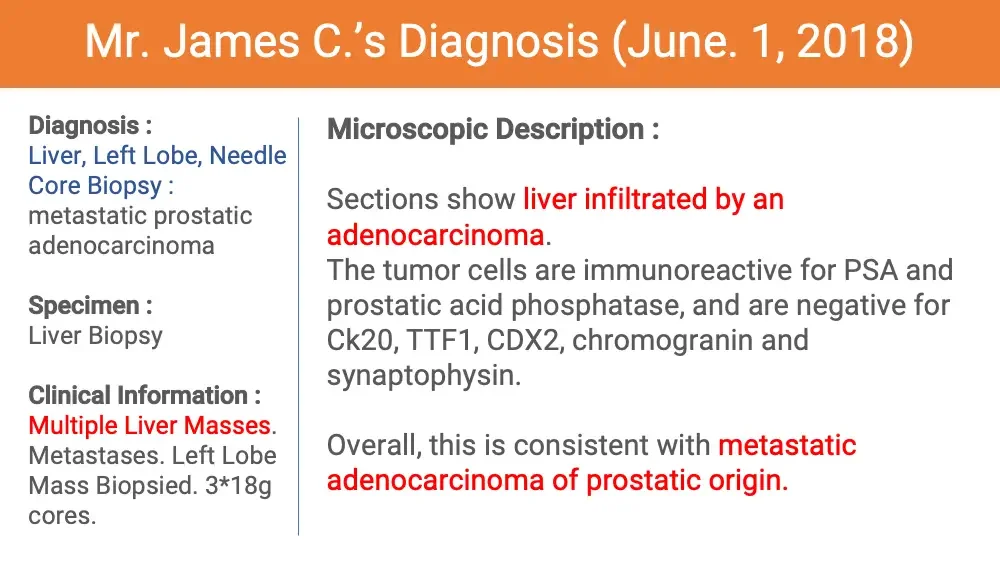
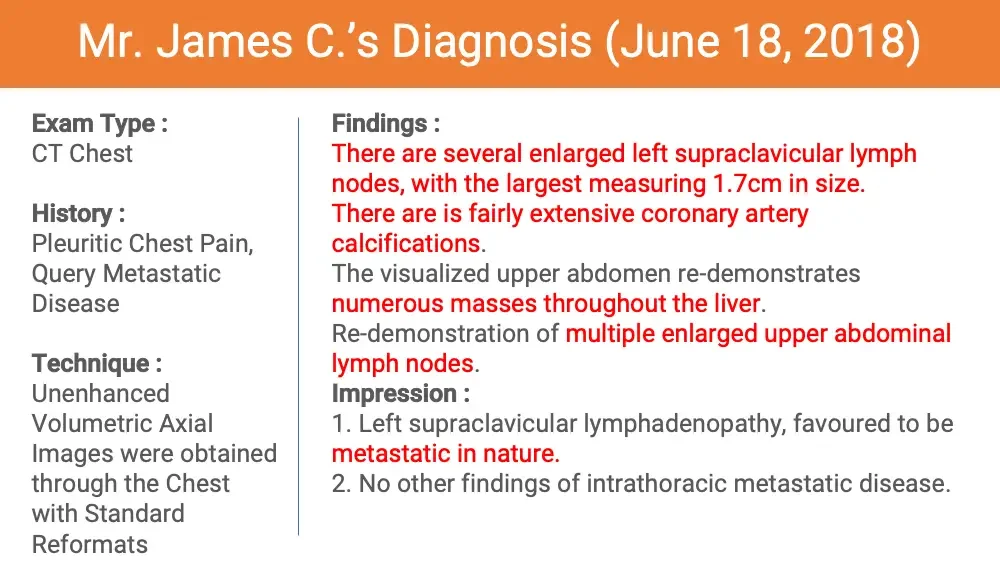
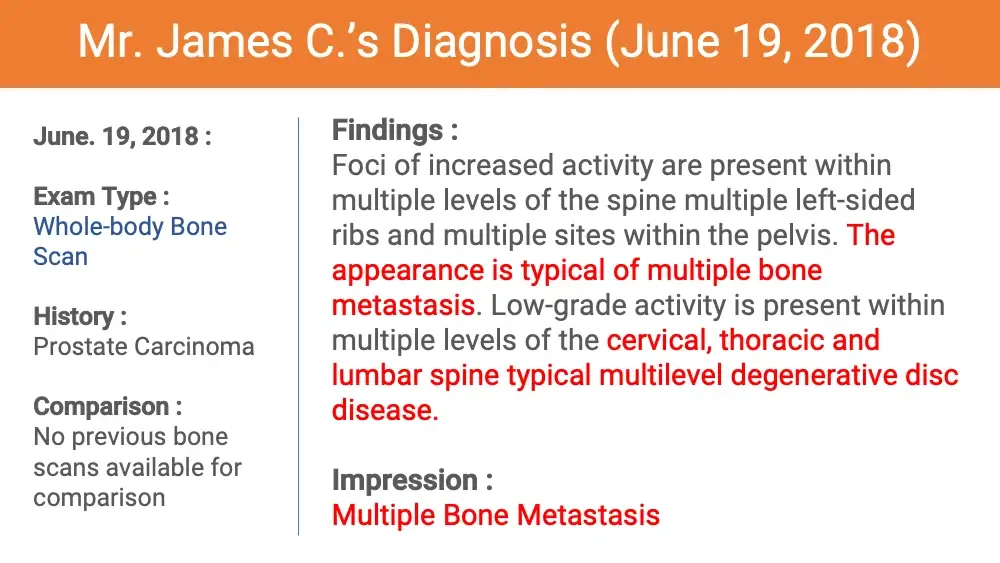
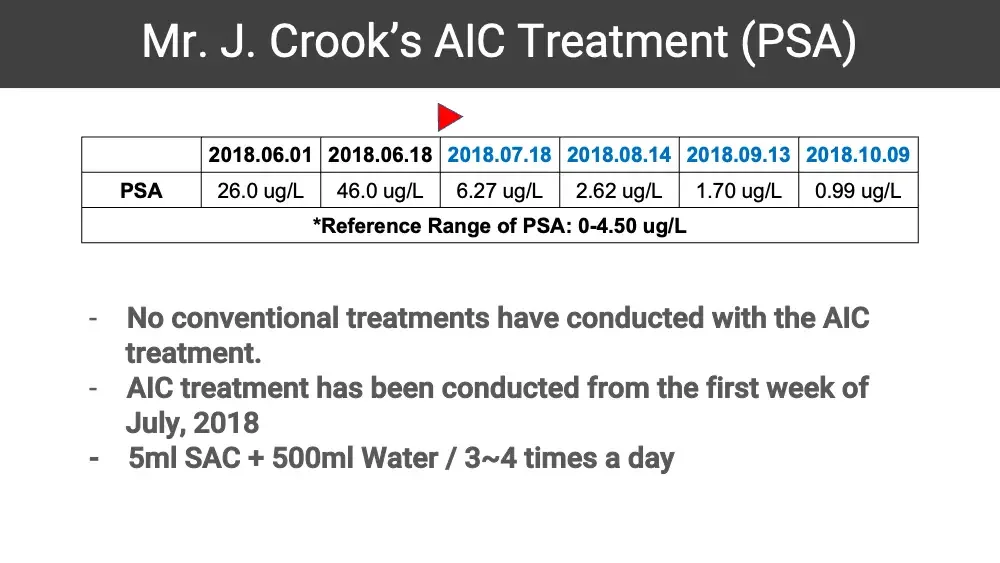
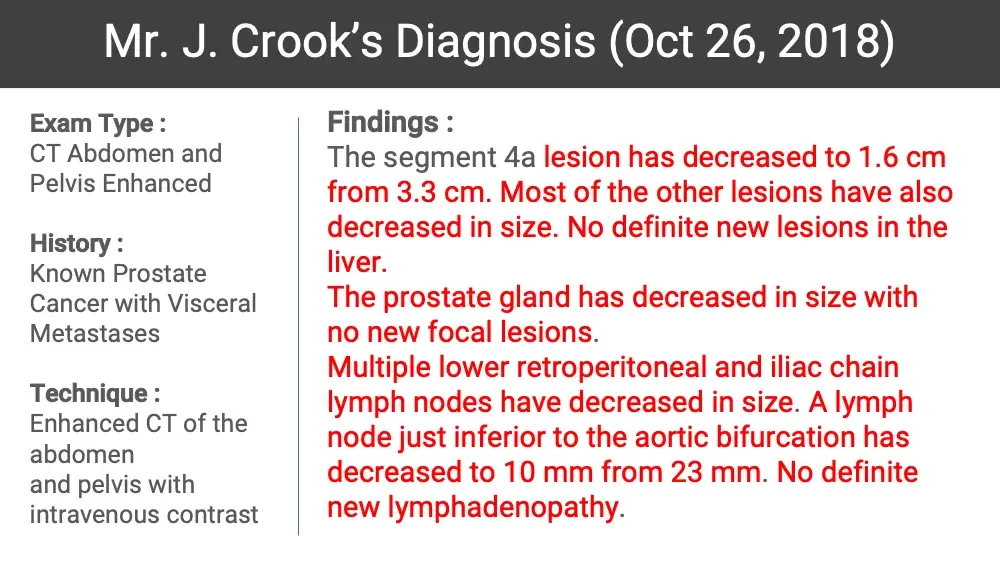
PROSTATE CANCER
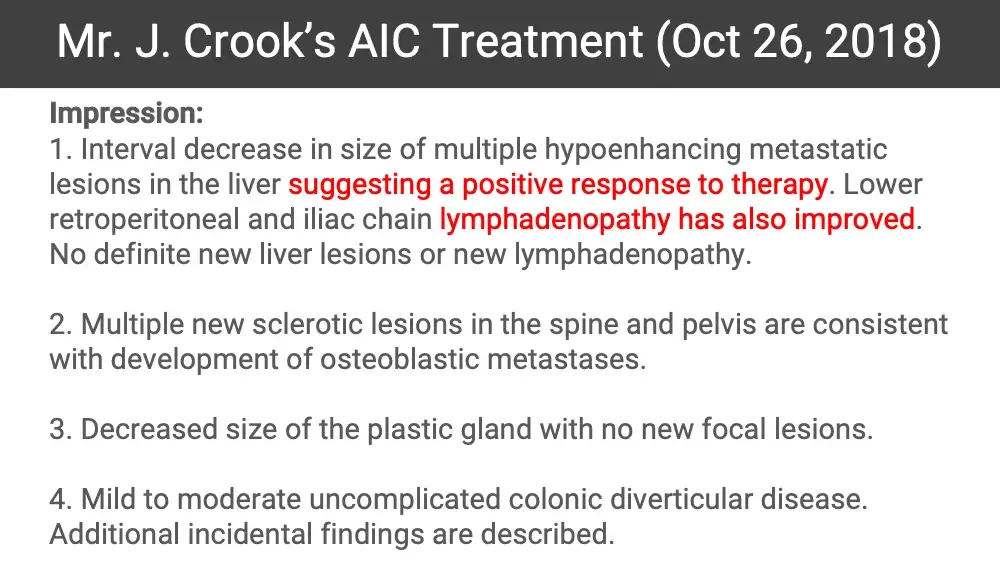
OVARY CANCER (STAGE4)

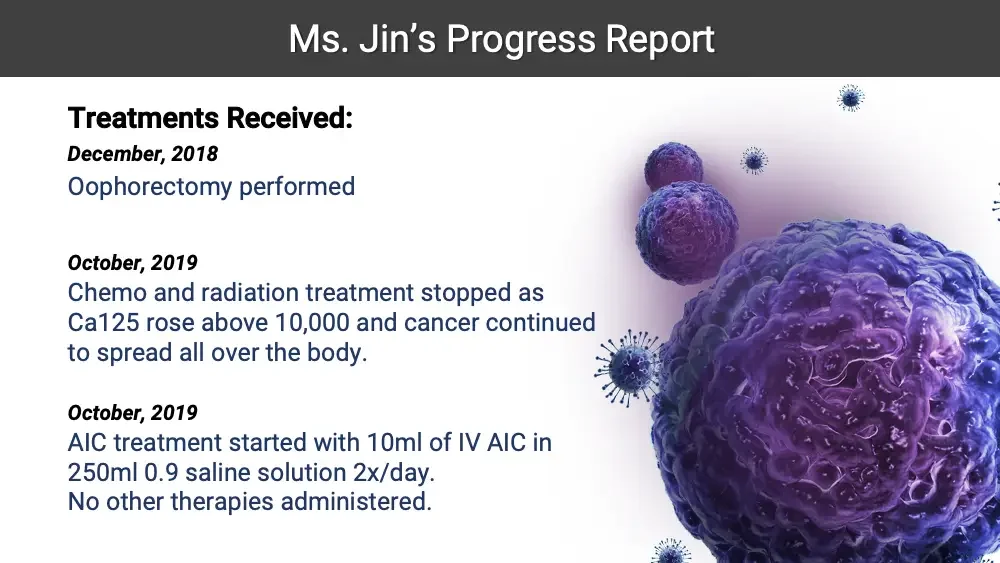
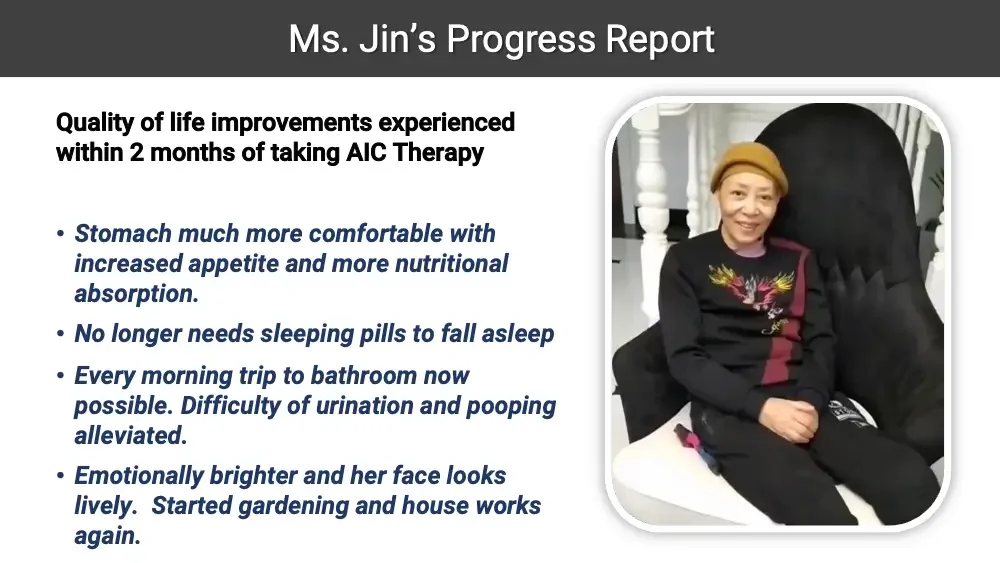
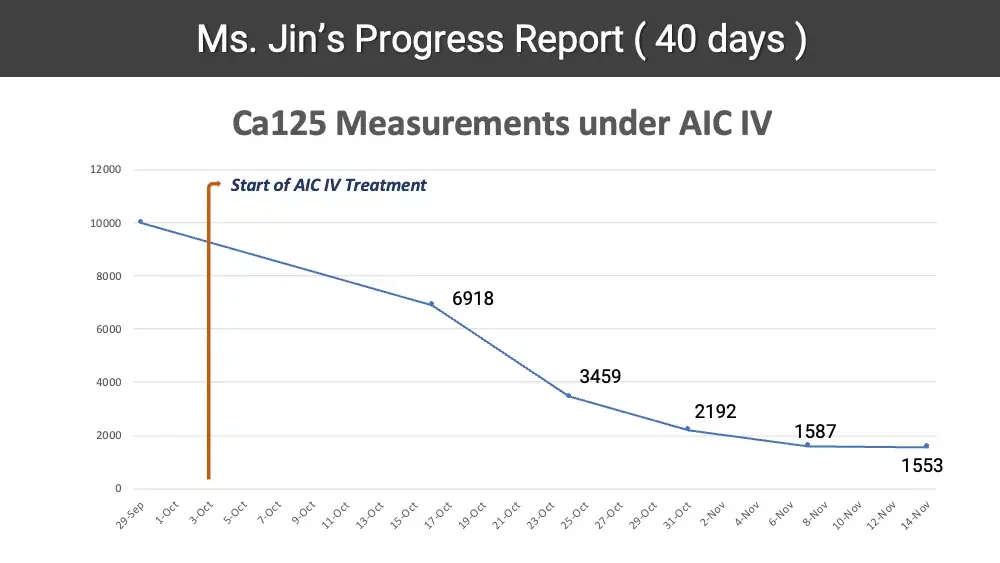
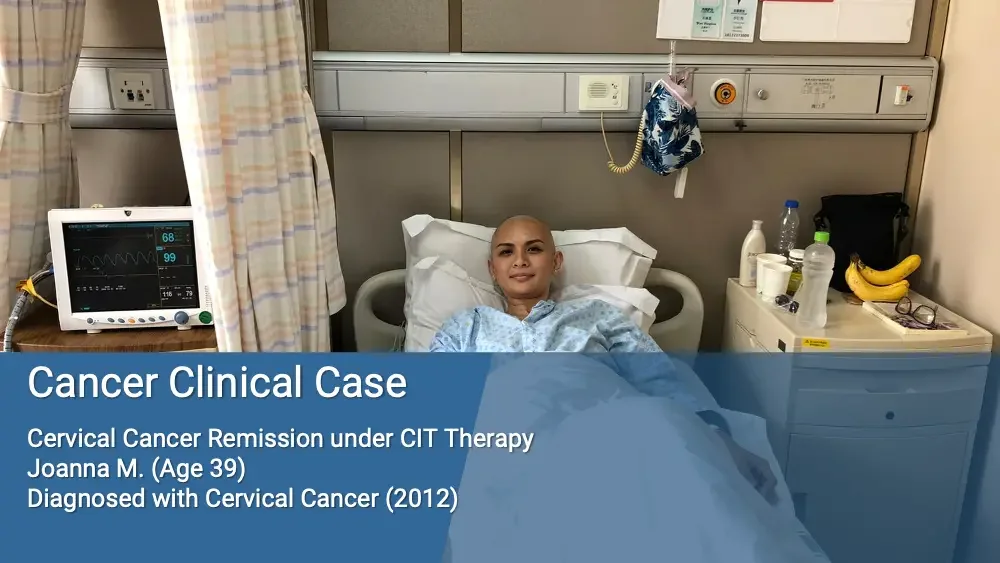
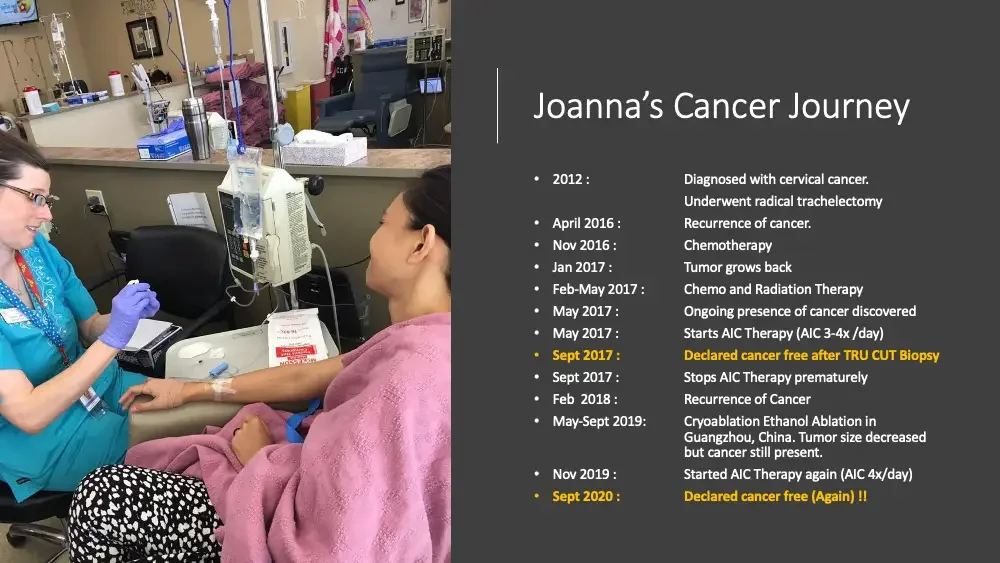
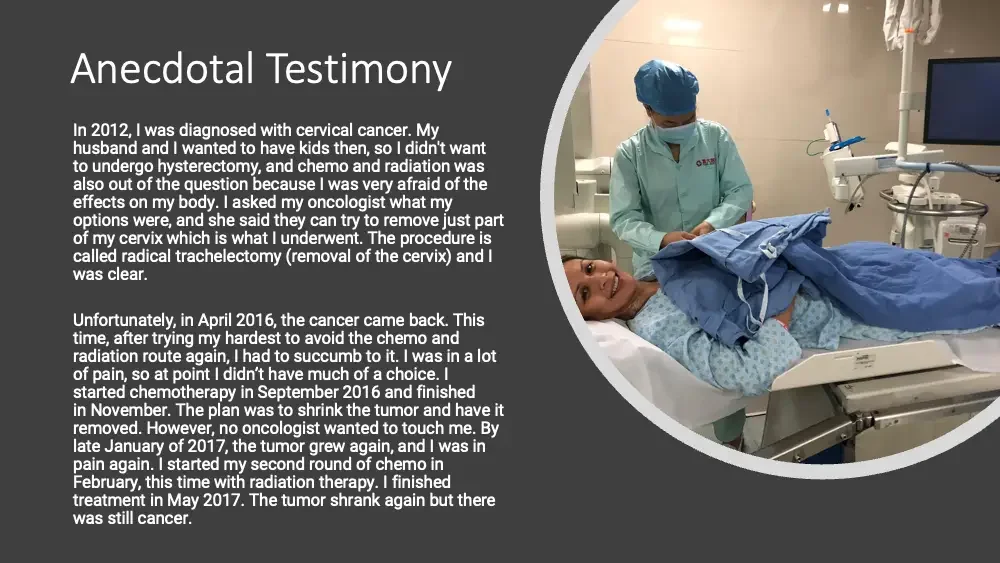
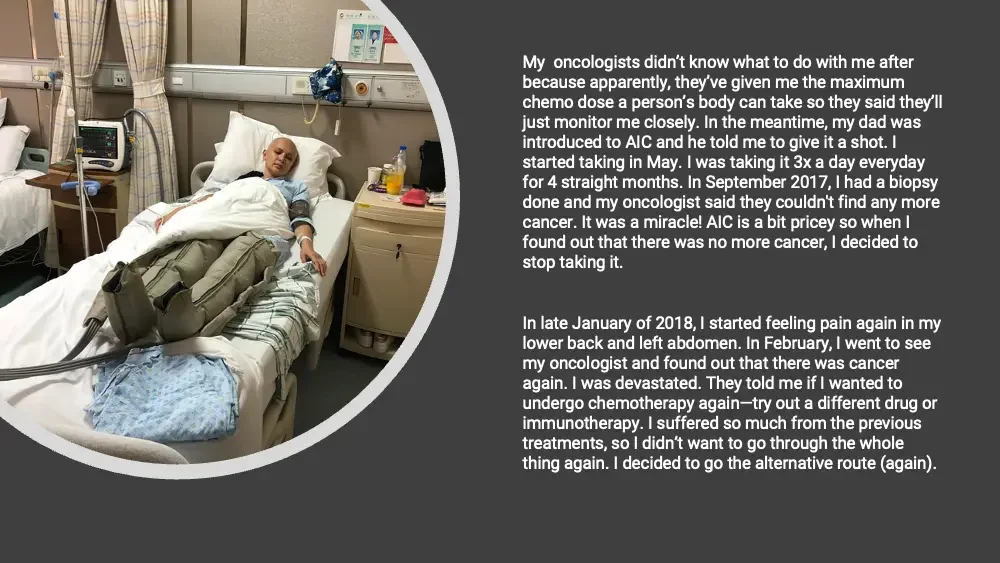
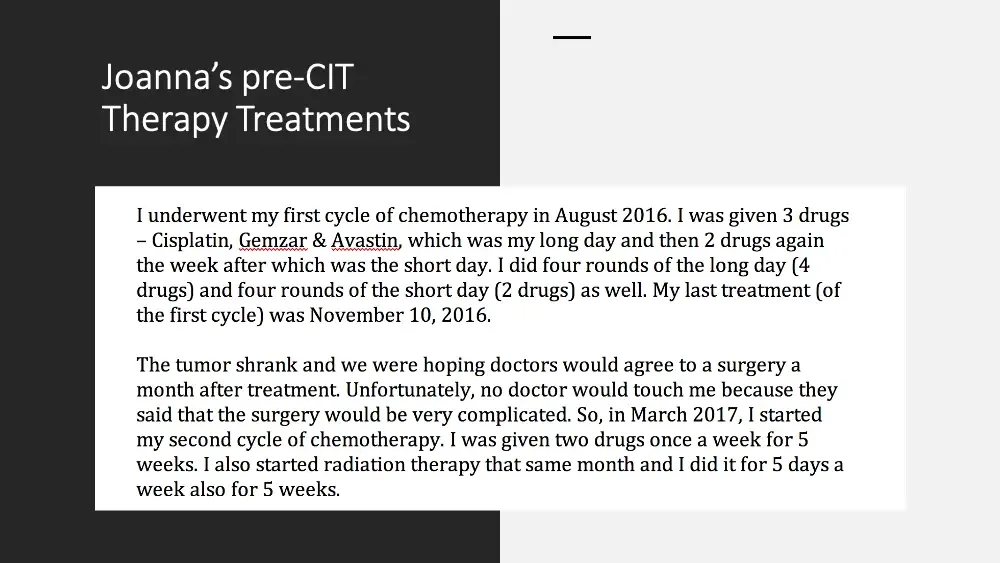
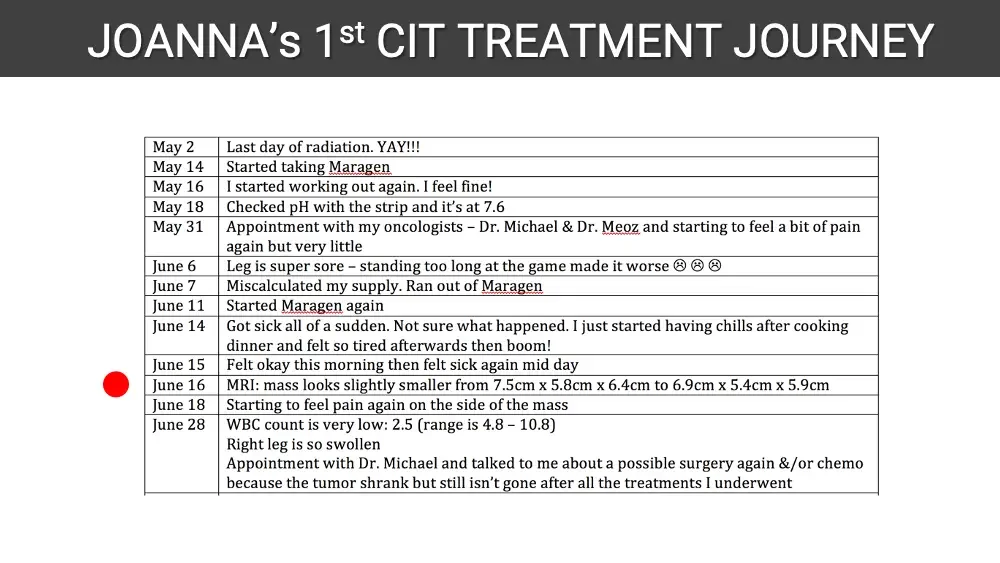
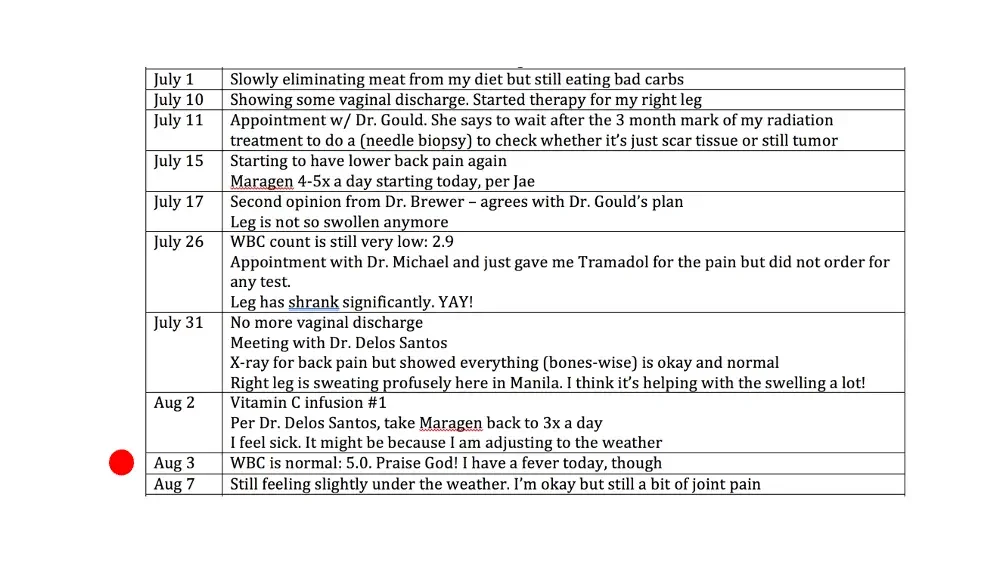
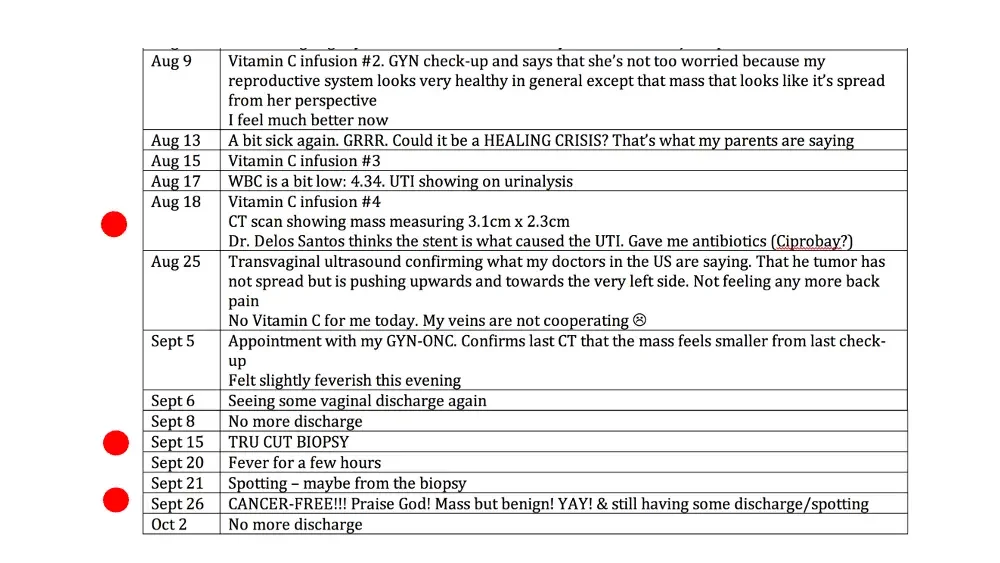
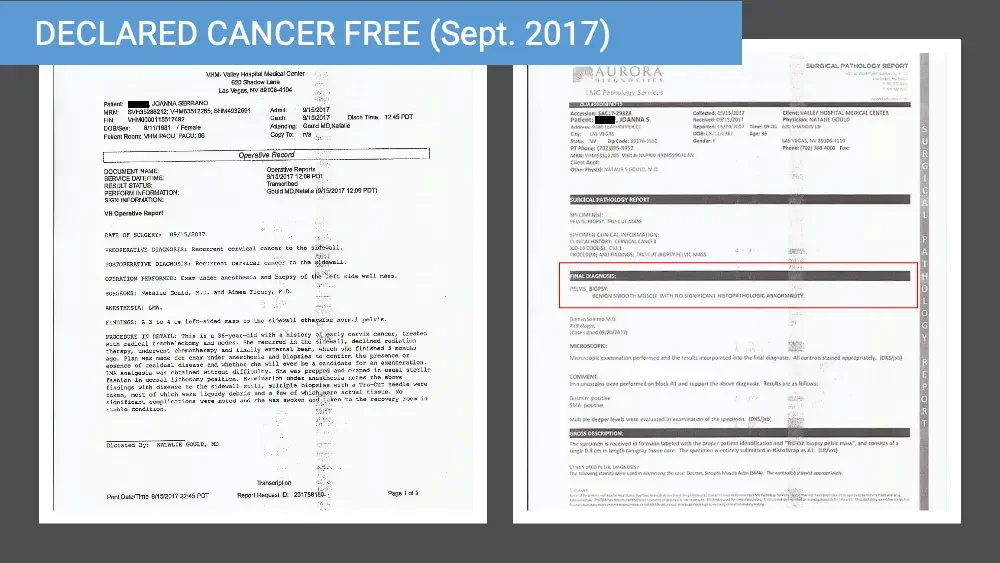
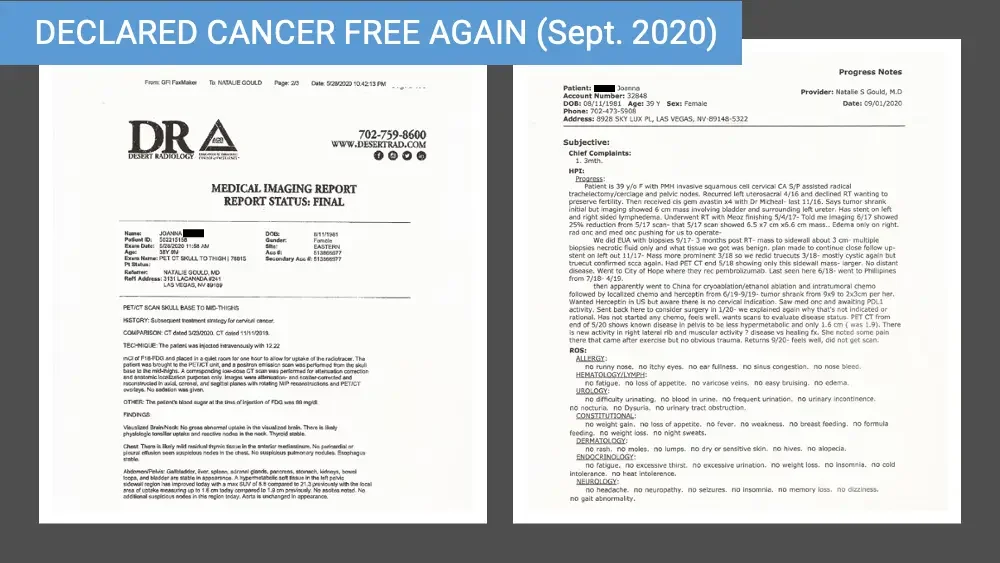
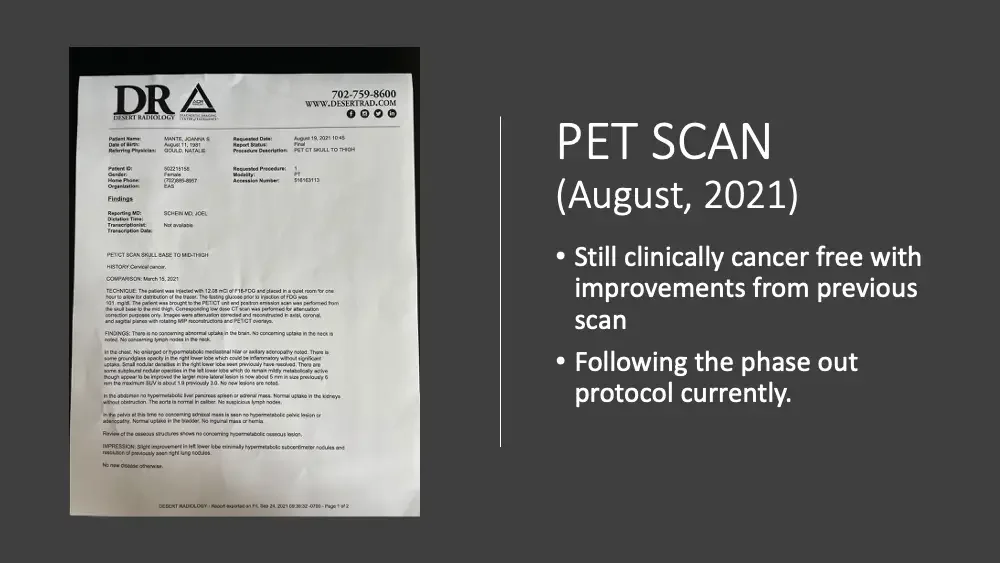
CERVICAL CANCER




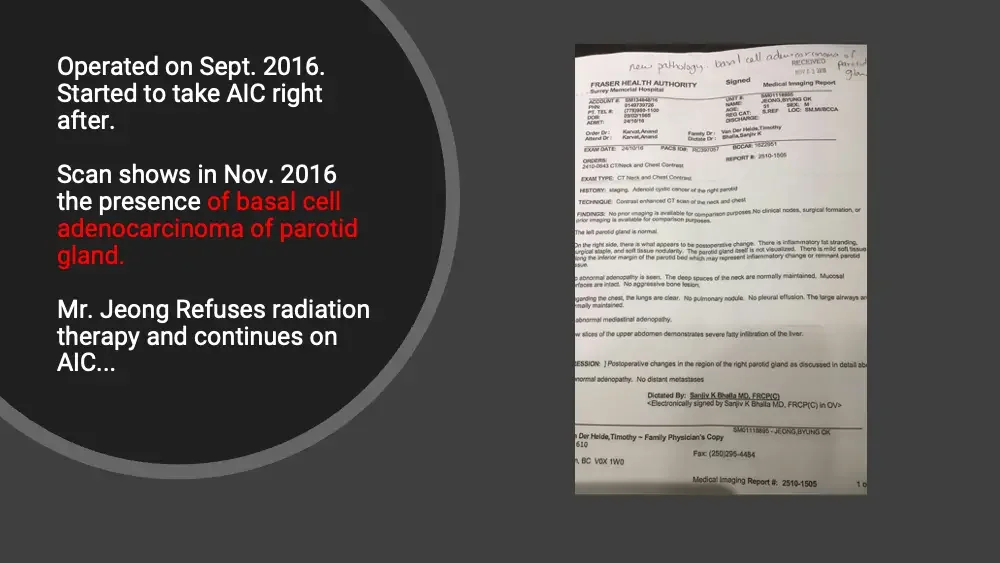
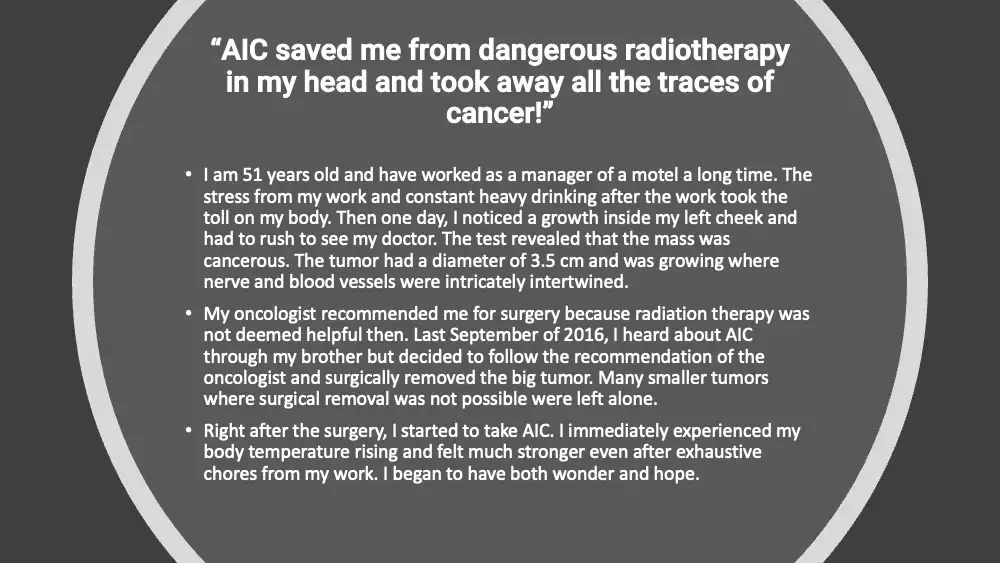
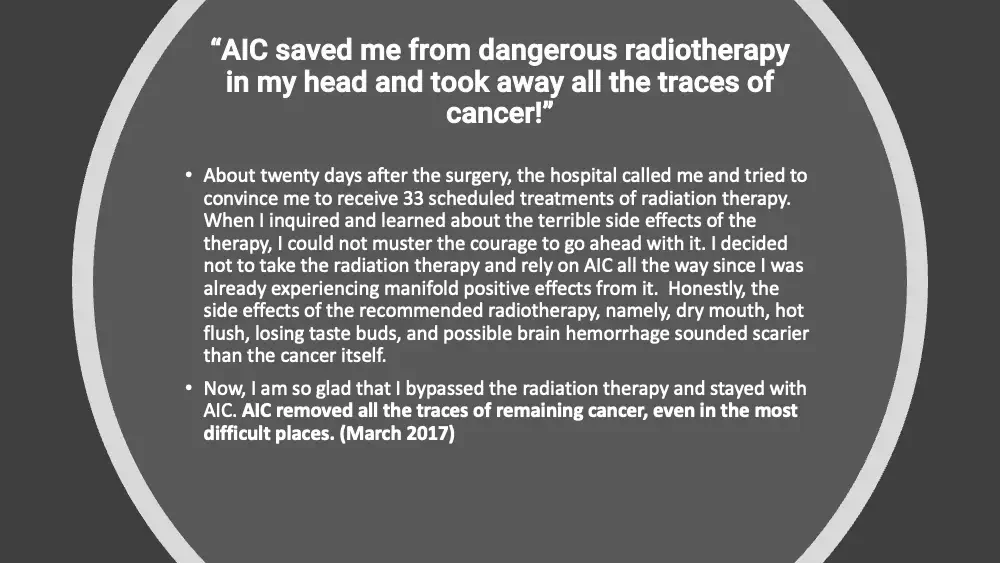
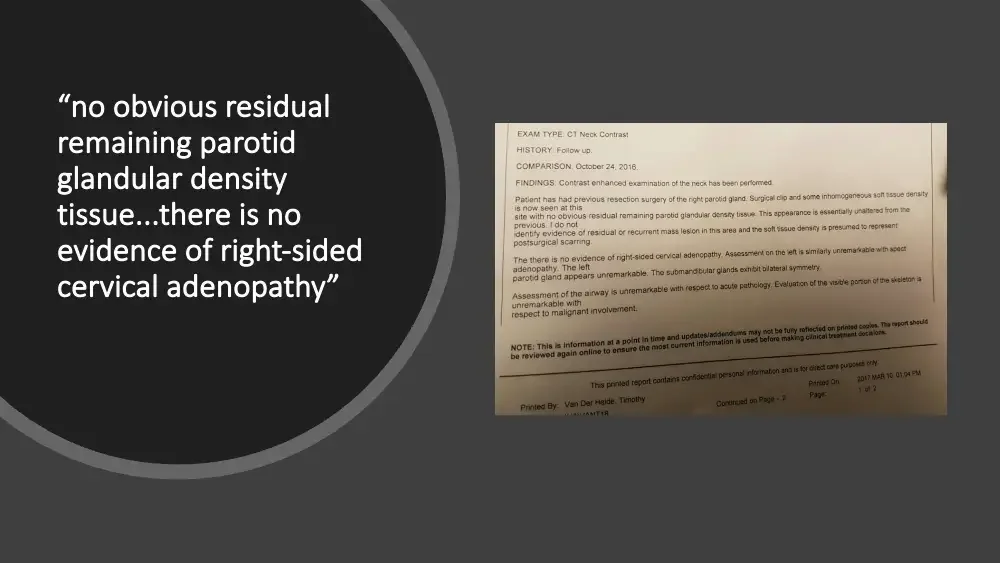
ADENOID CANCER