Why a practitioner should care — the failure that sits under chronic disease.
1The Science Behind Healing
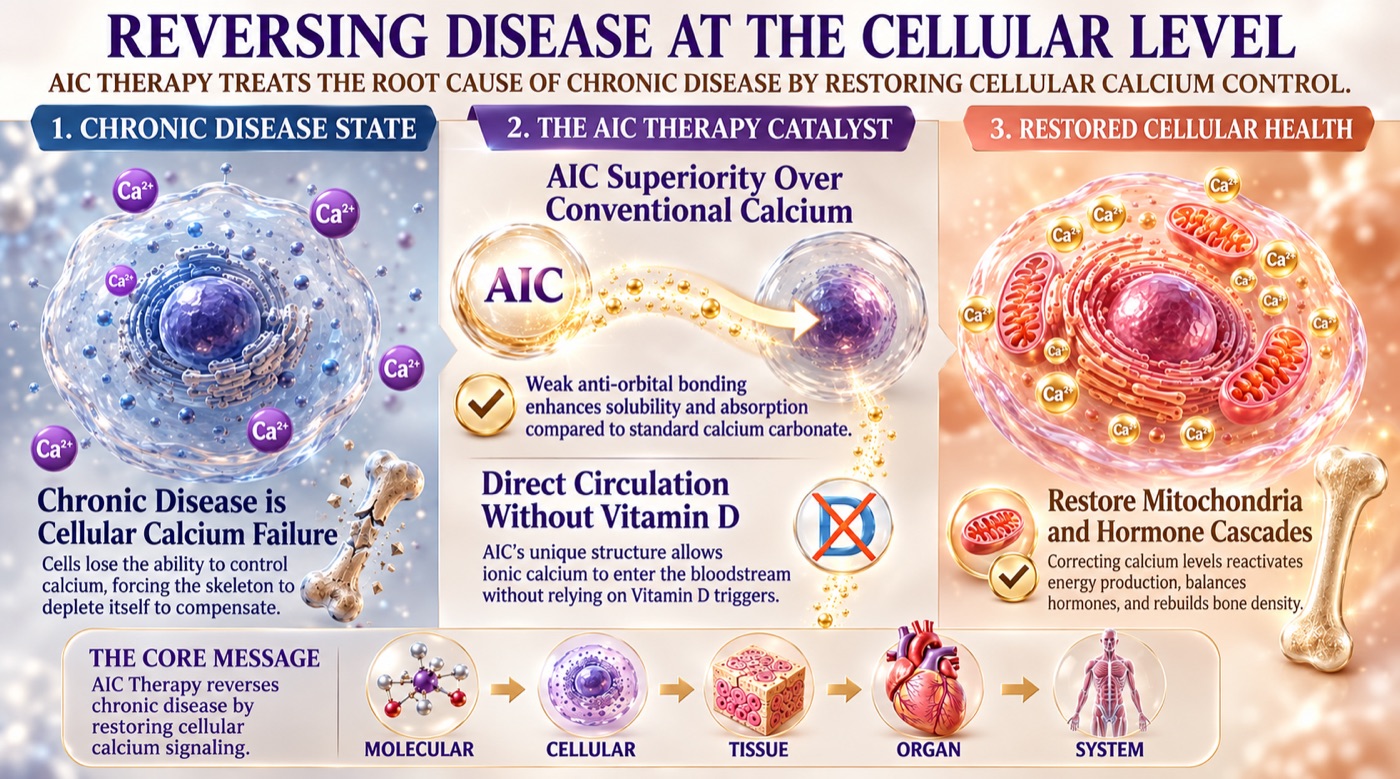
Behind most chronic disease sits the same quiet failure: cells that can no longer control calcium, and a skeleton emptied to cover for it. Therefore, achieving actual disease reversal, rather than simply managing symptoms, requires correcting this underlying cellular failure. AIC differs from conventional calcium carbonate in its weak antiorbital bonding, which enhances solubility and absorption, allowing ionic calcium to remain in circulation without reliance on vitamin D. AIC Therapy targets this exact breakdown. By delivering ionic calcium, it restores cell signaling, boosts mitochondrial function, activates hormone cascades, and rebuilds bone.1
2Calcium Homeostasis: The Body's Tightest Control System
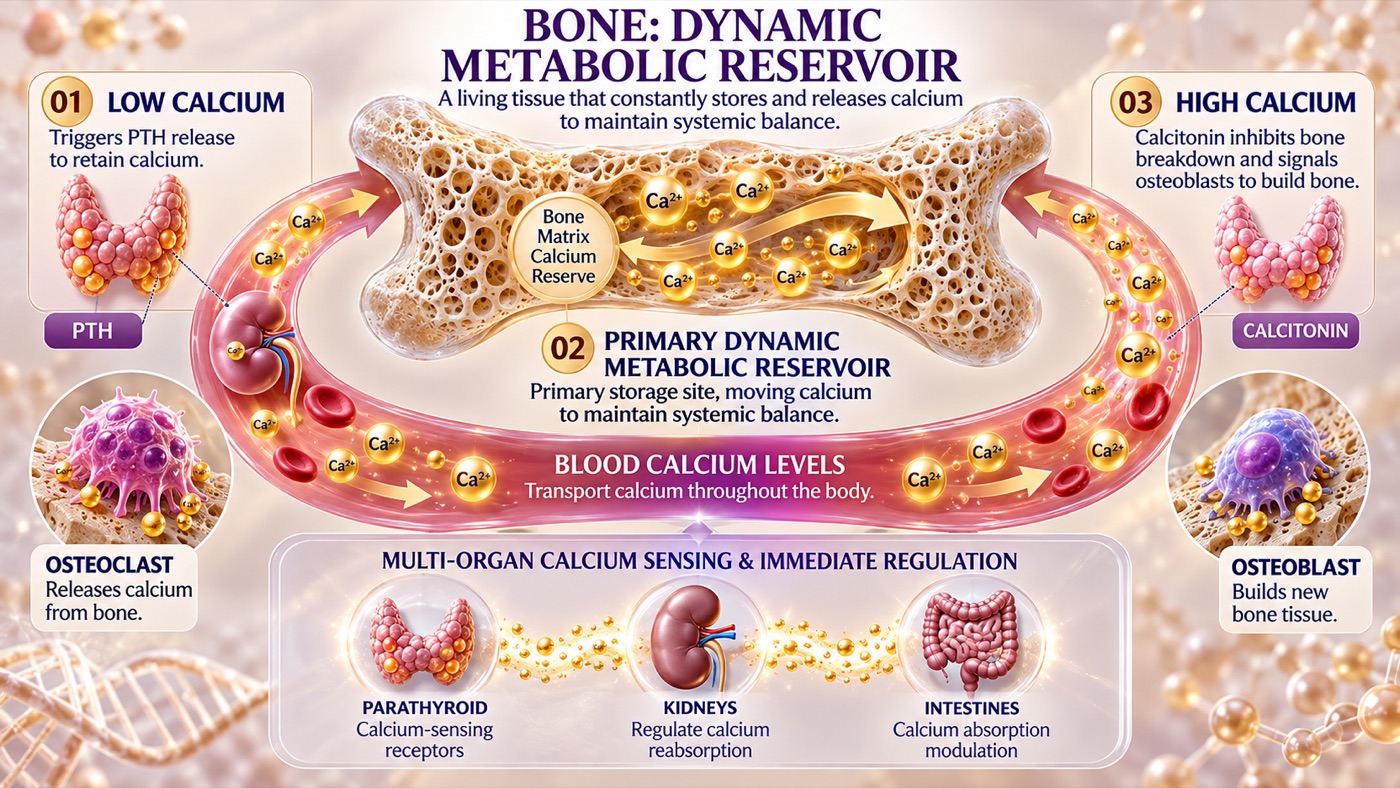
For practitioners managing skeletal remodeling, treating the bone as a highly dynamic metabolic reservoir rather than a static structure is fundamental to leveraging endogenous calcium homeostasis. Bone serves as the body's primary storage site, continuously regulating the critical blood calcium levels required for neuromuscular function through a precise hormonal feedback loop. When serum calcium declines, parathyroid hormone (PTH) initiates a compensatory cascade by accelerating osteoclast-mediated bone resorption, while simultaneously signaling the kidneys to retain calcium and activate Vitamin D for enhanced intestinal absorption. Conversely, elevated systemic calcium triggers calcitonin secretion, which rapidly inhibits osteoclastic activity and drives osteoblasts to sequester the circulating surplus directly into new bone tissue. Recognizing how this delicate balance of cellular activity dictates the movement of calcium in and out of the skeleton allows for targeted clinical strategies that effectively engage these exact pathways to drive structural regeneration.
The Physiological Balance of Calcium Homeostasis
Standard bone physiology assumes formation and resorption are strictly coupled via the RANKL/OPG axis. Yet, tracking paired CTx and P1NP markers proves a unique uncoupled response: sustained osteoblast activity occurring right alongside osteoclast suppression. Because adult calcitonin offers limited regulatory power, this mechanism moves beyond isolated hormones to actively engage fast-responding renal and intestinal pathways for immediate, system-wide regulation. The receptor machinery for exactly this is already in place: the calcium-sensing receptor reads extracellular Ca²⁺ in the parathyroid, the kidney and the intestine, governing PTH secretion while modulating renal reabsorption and intestinal absorption.2
3Beyond the Skeleton: Systemic Consequences of Bone Resorption
We need to reframe how we view bone density. Data from a 35,000-participant Danish cohort reveals a stark reality: preserving skeletal integrity is associated with a nearly twelve-year extension in overall life expectancy. This tells us that osteopenia and osteoporosis are not just isolated structural issues; they act as primary drivers for systemic disease.3,4
As the skeleton's mineral reserves deplete, typically starting in the mid-thirties, the body shifts into a pathological state. Chronic bone loss begins feeding rogue minerals directly into surrounding soft tissues. This structural collapse forces a destructive remodeling of both temporal and spatial Ca²⁺ signaling across multiple cell types. When these crucial homeostatic baselines are skewed, the resulting cellular miscommunication acts as a direct catalyst for severe neurodegenerative and cardiovascular pathogenesis. Cardiology has already followed this logic to its conclusion: disrupted Ca²⁺ handling is treated as a key factor in dilated cardiomyopathy, where structural remodeling of SERCA2a, RYR2 and the L-type channels worsens systolic dysfunction and ventricular dilation.5
The downstream dysregulation originating from porous bone is now specifically linked to a doubled risk of Alzheimer's in senior women, alongside significant spikes in cardiac, schizophrenic, and bipolar morbidities. To intercept this broad spectrum of age-related decline, our immediate priority must be halting the exodus of minerals from the skeletal reservoir. Recent clinical investigations using this potent anti-bonding calcium formulation demonstrate that an eight-month intervention significantly improves bone mineral density across all patient demographics. Remarkably, this targeted approach enabled 65% of osteopenic patients and 12% of those with baseline osteoporosis to successfully transition completely back into the normal bone density range.1
Part 2 of 6
The Insight
What is actually going on: calciumopathy as the second root cause.
4The Second Root Cause: Where Root Cause Medicine Stops Short
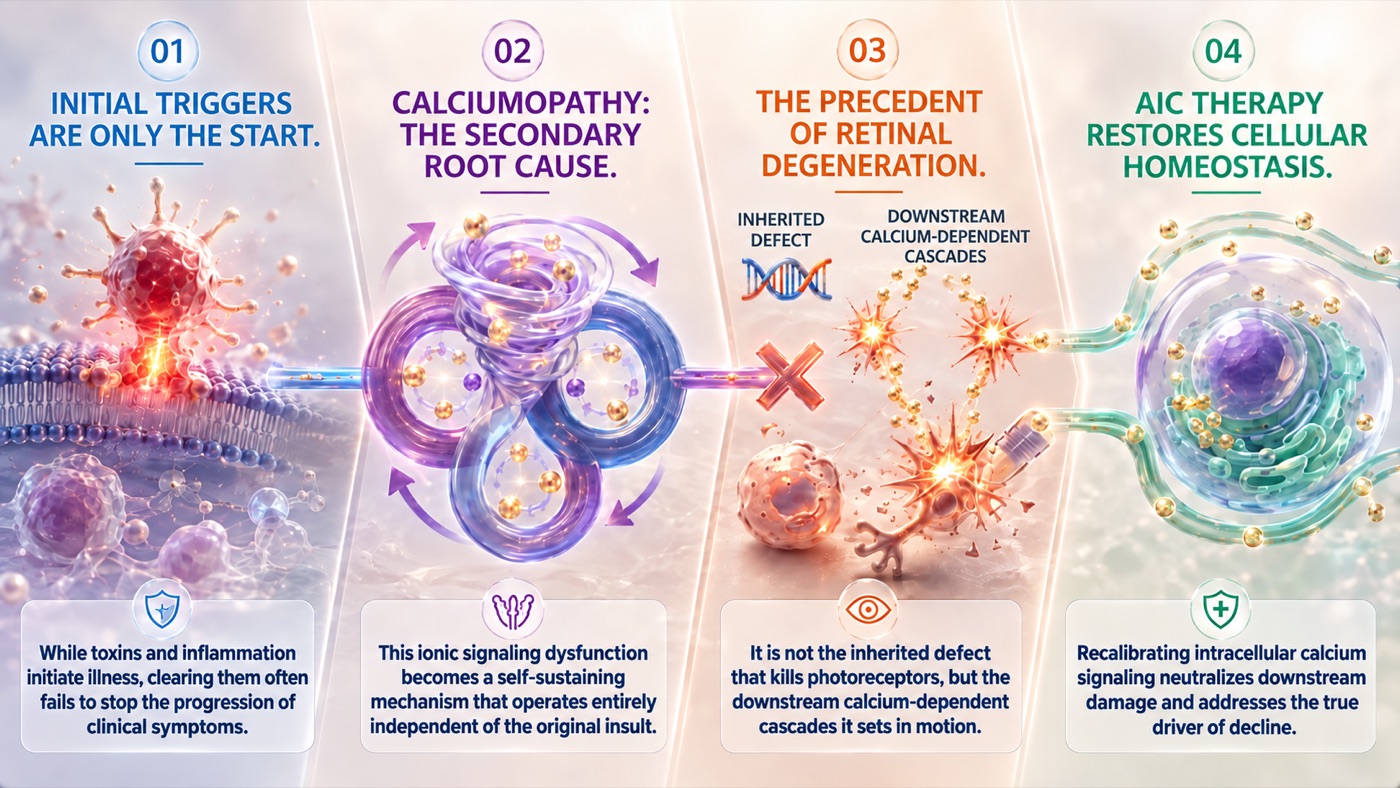
True clinical breakthroughs happen when we address the hidden cellular mechanisms driving chronic illness. While standard care focuses on clearing primary triggers like toxins and inflammation, practitioners frequently miss the real accelerator of decline: calciumopathy. Even when primary triggers are successfully eliminated, clinical symptoms frequently persist due to the emergence of a secondary, self-sustaining root cause. Once this secondary mechanism takes over, the illness continues to progress entirely independent of the original trigger. This ionic calcium signaling dysfunction traps cells in mitochondrial decay, while AIC therapy steps in to recalibrate intracellular homeostasis. True root-cause medicine requires looking past the initial insult. Hereditary retinal degeneration is the clearest precedent: the inherited defect is not what kills the photoreceptor, the Ca²⁺-dependent cascades it sets in motion downstream are.6
Restoring proper calcium signaling neutralizes downstream cellular damage, giving practitioners a way to address a key driver of disease progression.
5Cellular Decalcification: Clearing Calcium From the Wrong Places
When calcium signaling becomes dysregulated, the consequences can extend far beyond bone health, affecting cellular metabolism, mitochondrial function, and multiple interconnected physiological systems.
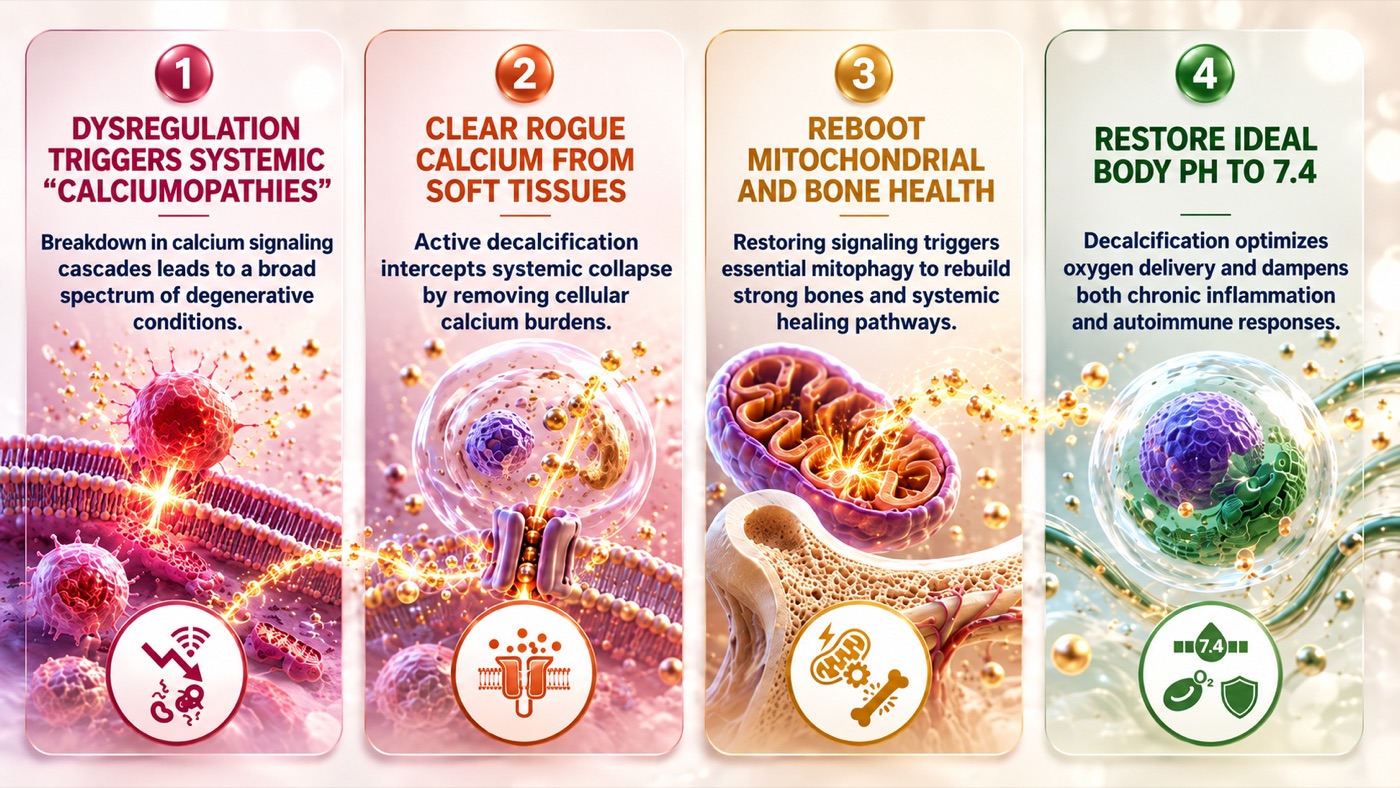
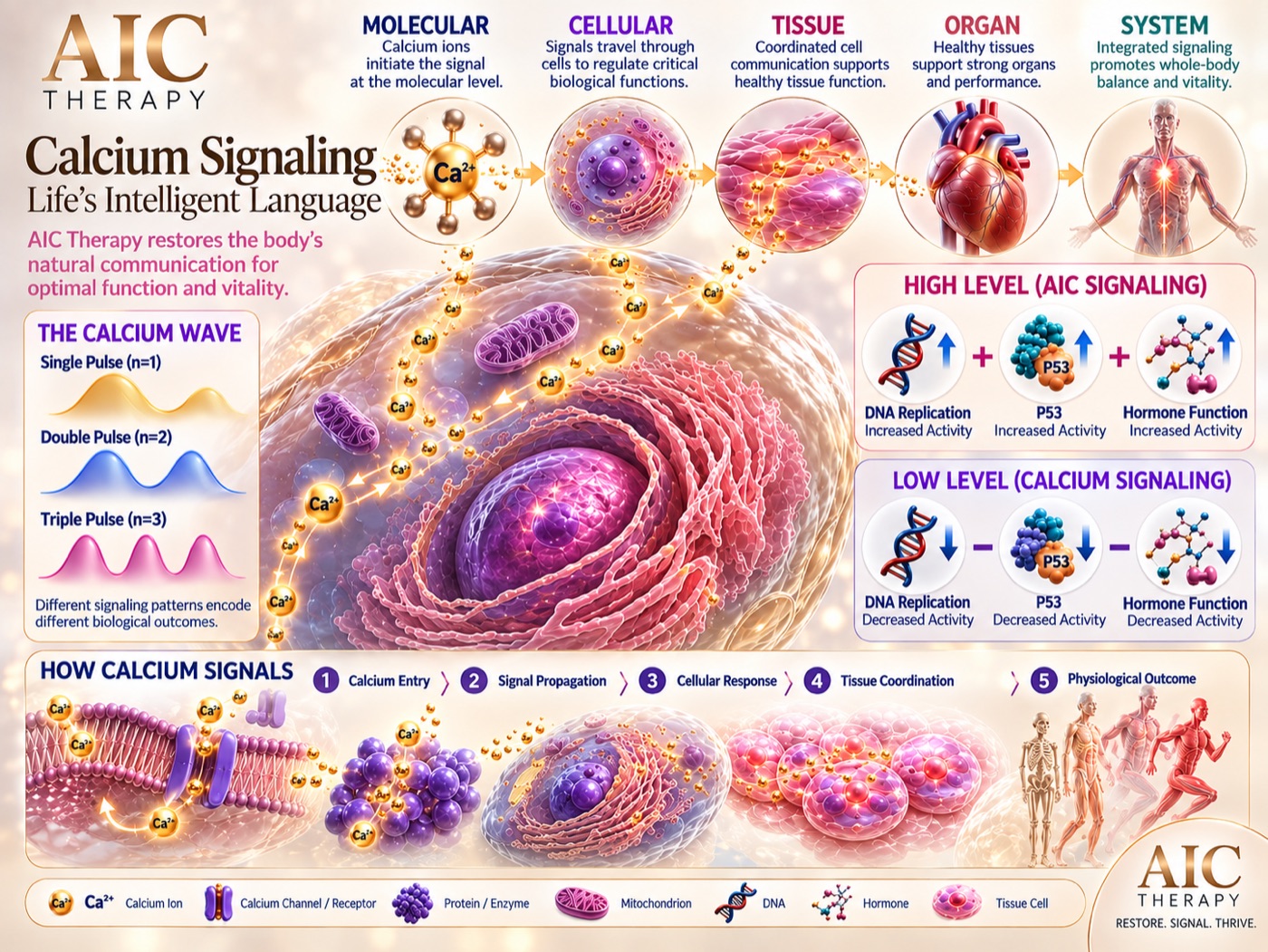
Because calcium dictates so many foundational physiological processes, any breakdown in its signaling cascade triggers severe, system-wide consequences. This reality is clearly reflected in the rise of 'calciumopathies', a broad spectrum of degenerative conditions driven entirely by the collapse of cellular calcium homeostasis.
The most direct way to intercept this systemic collapse is through active cellular decalcification. Clearing rogue calcium buildup from within soft tissues and cells successfully restores proper signaling, reduces intracellular oxidative stress, and reboots mitochondrial function. The bone-mitochondria link runs both ways: in diabetes-induced osteopenia, loss of BK channel expression raises mitochondrial Ca²⁺ and pushes osteoblasts into PINK1-PRKN-dependent mitophagy.7
As this mechanism works to rebuild strong bones, it simultaneously triggers essential systemic healing pathways. Ultimately, removing this cellular burden naturally helps maintain an ideal body pH of 7.4, optimizes oxygen delivery, and actively dampens both chronic inflammation and autoimmune responses.
Part 3 of 6
The Solution
What AIC is — and what it is not.
6AIC Therapy: Correcting Calciumopathy at the Cellular Level
Many chronic, degenerative conditions share a common underlying pathology: severely disrupted cellular calcium balance. As aging and chronic bone loss deplete vital calcium reserves, this broken signaling leads directly to mitochondrial dysfunction and oxidative stress. Antiorbital Ionic Calcium (AIC) therapy tackles this root cause head-on. It acts as a safe delivery system designed to boost systemic calcium ions and reverse calciumopathy. The formula uses high-energy anti-bonding orbitals to efficiently release ionic calcium, relying on cellular decalcification as a primary pathway for healing. This targeted influx kicks off a crucial hormonal cascade, which includes stimulating osteoblasts to actively rebuild strong bone. By restoring healthy cellular calcium signaling, AIC therapy gives practitioners a practical tool to address complex illnesses right at their structural core. Crucially, correcting this signaling allows key gatekeepers like calmodulin and calcium-binding proteins to properly translate these signals into precise cellular actions. In cardiomyocytes this translation step runs through Ca²⁺/calmodulin-dependent protein kinase II and its transcriptional target CREB, and blunting it shifts expression of the mitochondrial calcium uniporter itself.8
This ultimately drives essential clinical results, ranging from restored immune balance and stable cellular rhythms to highly organized tissue recovery.
7AIC Is Not Calcium Supplementation
A daily dietary intake of roughly 1,000 mg of calcium remains important, but aging digestive tracts struggle to absorb it efficiently. Standard protocols often attempt to compensate by prescribing conventional calcium fortified with vitamins D3 and K2.
However, orthomolecular specialists warn against this bulk-dosing approach. Forcing high volumes of heavy minerals into the body directly drives soft-tissue calcification and cardiovascular risks. A review of the absorption literature arrives at the same caution from the other direction, reporting that the cardiovascular risk signal attaches more closely to supplemental than to dietary calcium, and that small amounts taken often suit the body's absorption method better than large single loads.9
AIC therapy operates on an entirely different principle without flooding the system. Delivering a precise dose of fully active ionic calcium triggers systemic responses that standard supplements cannot match.
Rather than introducing excess minerals, this targeted approach mobilizes trapped, inactive calcium. It clears unwanted tissue buildup while putting those sequestered minerals back to work for foundational repair.
Part 4 of 6
The Mechanism
How it works, from chemistry to the inside of the cell.
8Why Antiorbital Calcium Releases Free Ions
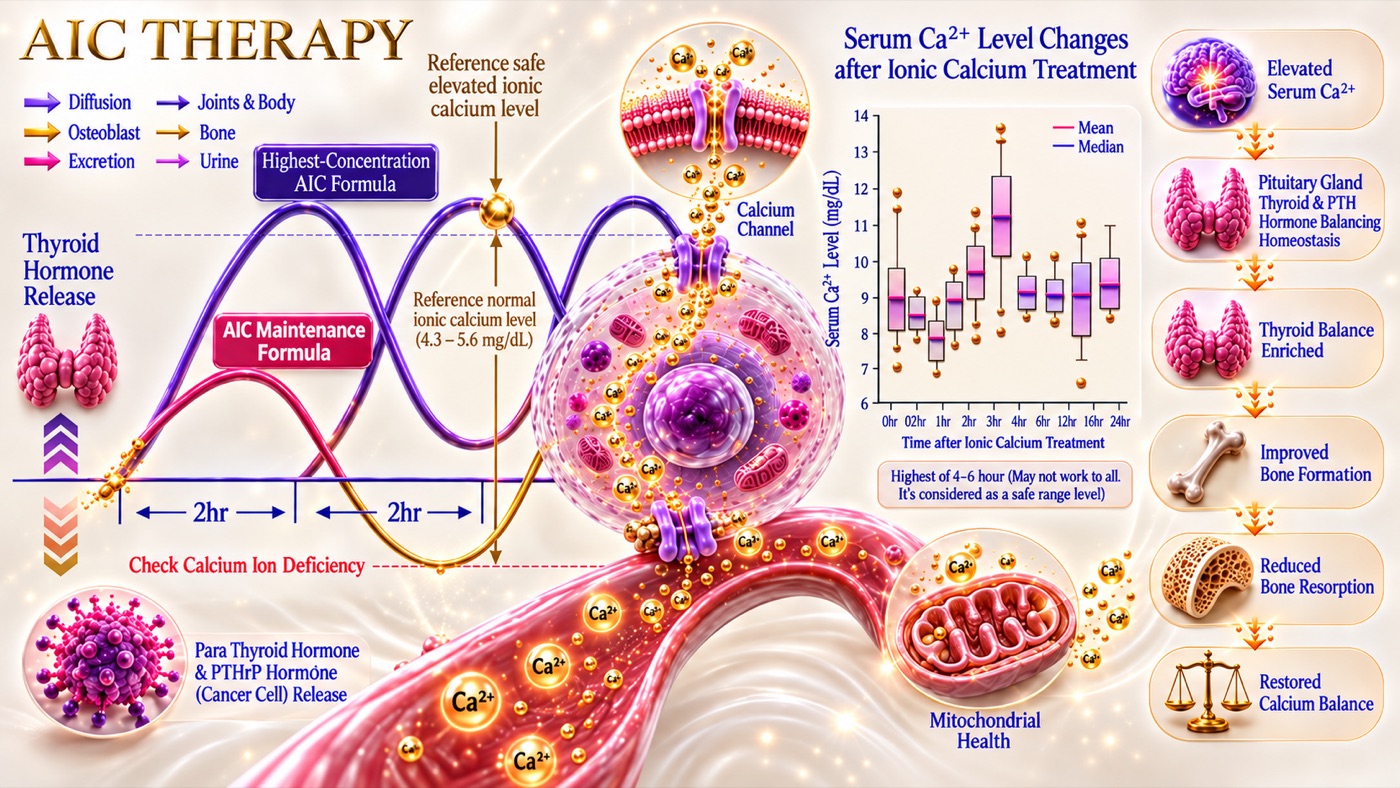
The exceptional clinical activity of AIC is rooted in its physical chemistry, specifically its use of anti-bonding orbitals. Rather than forming a stable, inert compound, the atoms actively repel one another to maintain a continuous, high-energy molecular state. You can actually see this extreme ionic volatility in the open air: the molecule interacts so dynamically with water's hydrogen bonds that the calcium co-evaporates and crystallizes upon contact with atmospheric carbon dioxide. Clinically, this structural difference translates to a massive leap in bioavailability. The compound is far more water-soluble and more reactive than standard calcium carbonate. At the cellular level, this heightened reactivity enables AIC to restore essential calcium signaling by rebalancing calcium entry at the cell membrane and optimizing exchange within the mitochondria and endoplasmic reticulum. Systemically, this dynamic activity stabilizes global calcium homeostasis by supporting coordinated regulation across the parathyroid, kidney, and intestinal systems. With AIC, ultimately, this precise shift in solubility is what finally allows for the direct oral delivery of completely unbonded, physiologically active calcium ions. Providing this direct supply is essential because ionic calcium (Ca²⁺) is the only physiologically active form in the body; delivering it directly helps maintain the crucial ~50% ionic calcium concentration in normal blood, preventing the parathyroid from triggering bone resorption to meet the body's needs.
9How AIC Reaches the Target
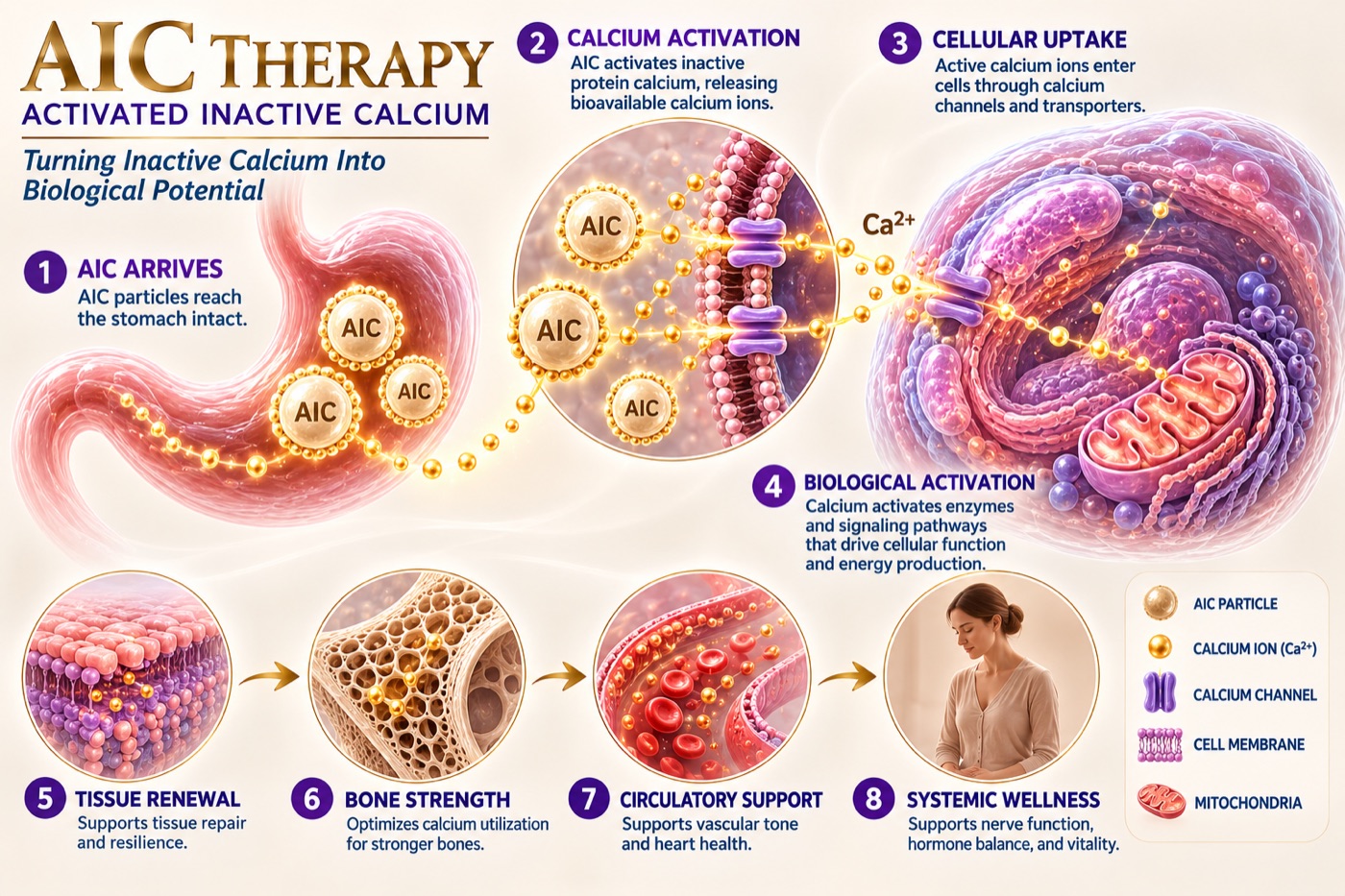
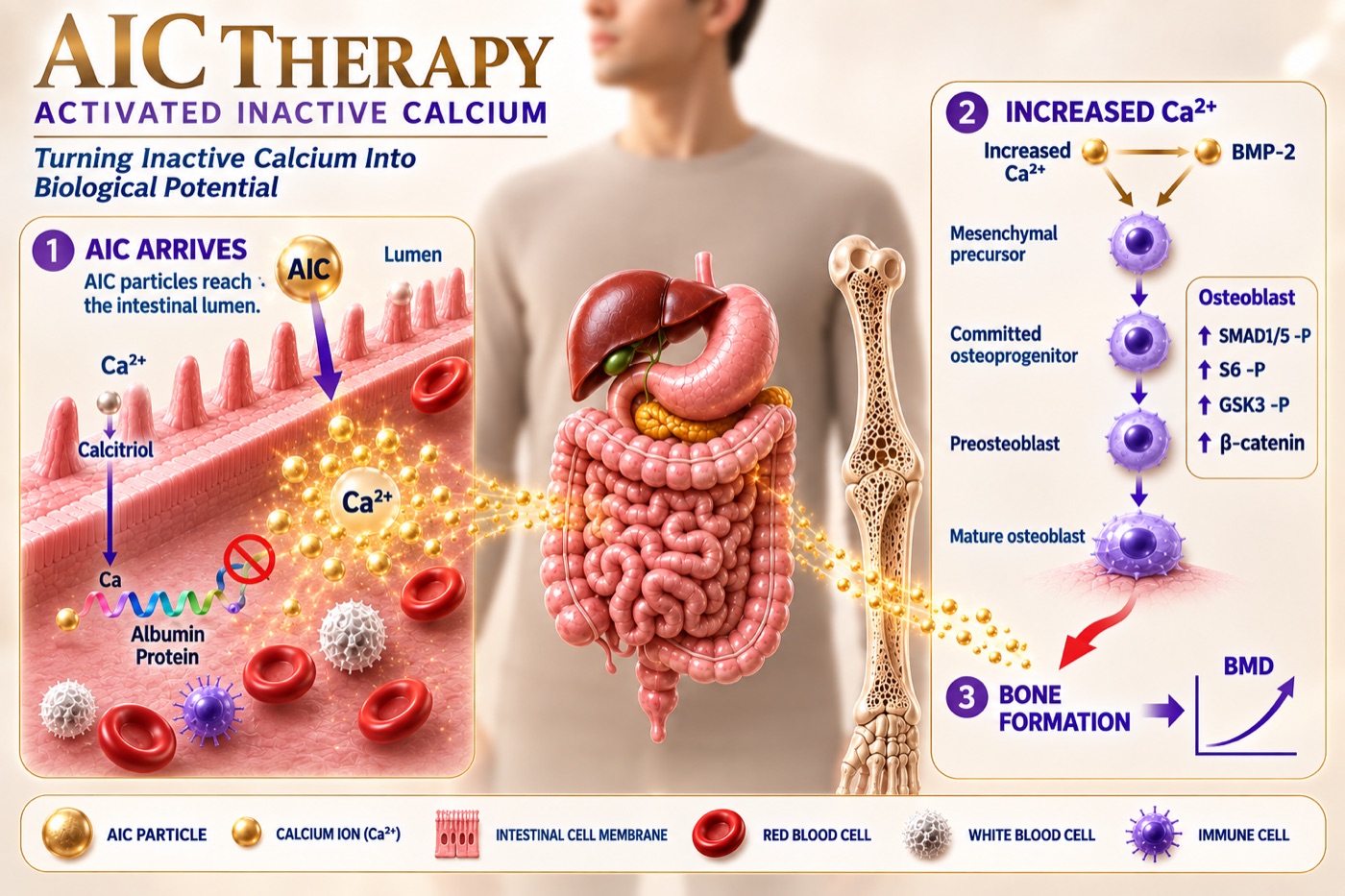
Thanks to its highly reactive state, AIC avoids the usual digestive hurdles. It absorbs passively through the stomach lining via simple diffusion and hydrostatic pressure, completely bypassing the need for vitamin D, peptides, or active transport mechanisms. Unlike regular calcium carbonate—which depends heavily on gastric acid processing and a complex duodenal active transport pathway requiring vitamin D3 and peptide binding—AIC’s unique antiorbital-bonding confers a distinct positive charge that allows it to be immediately bioavailable, entering the blood serum directly from the stomach as fully active ionic calcium. Once in the bloodstream, this unbonded calcium does something unique: it forms a coordination bond with surrounding water molecules, creating a protective hydration shell. While standard calcium requires vitamin D and quickly binds to serum albumin, a process that can actually promote unwanted systemic calcification, this water shield keeps AIC from attaching to blood proteins.
Because these ions remain completely free and active in the serum, they easily slip through cellular calcium channels rather than getting bogged down by albumin. Once inside the cell, they get right to work as primary signaling agents, modulating key enzymes, restoring metabolic function, and supporting vital regulatory pathways. Furthermore, this restored cellular signaling triggers a robust release of endogenous calcitonin to actively build bone. This natural calcitonin surge effectively directs circulating calcium straight into the skeleton and puts the brakes on osteoclast activity, securing long-term structural integrity and protecting against future fractures.
10Once Inside: Calcium as the Universal Second Messenger
Rather than relying on complex enzymatic breakdown, AIC is designed to respond directly to the body's natural electrical gradients. When exposed to this physiological environment, the compound rapidly sheds its outer bonds, shifting the calcium into a highly reactive, fully ionized state.
For practitioners, the real value of this direct ionization lies in what happens next. Instantly recognized by the body as a universal second messenger, this free calcium plugs straight into the cellular communication network. The unbonded ions interact face-to-face with critical organelles, such as the endoplasmic reticulum and mitochondria, to drive essential processes ranging from synaptic transmission and muscle contraction to complex gene expression. The dependence at the synapse is steep rather than gradual: at the nominal physiological set point of 1.2 mM external Ca²⁺, small changes in Ca²⁺ influx translate non-linearly into transmitter release and can silence a nerve terminal outright.10
Because intracellular calcium signaling governs such a vast array of biological functions, gaining control over these exact levels offers a profound therapeutic advantage. It elevates the treatment protocol from basic structural support to a foundational strategy for managing a broad spectrum of system-wide dysfunctions. Rather than targeting isolated diseases, restoring this precise cellular communication addresses the shared physiological roots of:
Immune and inflammatory dysregulation
Progressive tissue and neurological decline
Widespread metabolic and energetic imbalances
By actively modulating the enzymes, neurotransmitters, and cellular regulators that drive overall health, this mechanism provides a practical, actionable pathway to restore proper function across multiple biological systems simultaneously.
11The Three Functions of AIC
Calcium Signaling
Effective cellular signaling strictly depends on delivering calcium in its free, unbound state rather than as an inert compound. Rapid and regulated changes in intracellular Ca²⁺ concentrations enable cells to adjust their biological activity in response to changes in the environment, preserving organ function and homeostasis.11
To achieve this, the therapy leverages the body's natural cellular environment to provide antiorbital ionic calcium. This yields a steady supply of circulating ionic calcium, delivering the exact bioavailable form required to reactivate and sustain vital intracellular signaling pathways.
Endocrine Regulation
Sustaining systemic calcium balance relies heavily on resetting the feedback loops within the endocrine system. Ca²⁺ is the primary mediator in the method by which endocrine cells secrete hormones through the exocytosis process. By increasing the active pool of ionic calcium, this approach directly modulates parathyroid and thyroid glandular activity. The parathyroid reads this pool directly: the calcium-sensing receptor detects extracellular Ca²⁺ and sets PTH secretion accordingly, and mutations that shift the receptor's set point move serum calcium in the predicted direction.2
This targeted endocrine support normalizes the parathyroid hormone (PTH) response, safely shifting the body away from chronic skeletal resorption and toward healthy, dynamic bone rebuilding.
Calcium Redistribution
A critical objective in resolving calcium dysregulation is reversing pathological soft tissue calcification while simultaneously reinforcing the skeletal matrix. Significant physiological abnormalities can result from abnormal Ca²⁺ fluctuations, which can impact a wide range of cellular and tissue activities, including neurons, cardiomyocytes, and endocrine cells. The cardiomyocyte case is the best documented: disrupted Ca²⁺ cycling through SERCA2a and RYR2 drives dilated cardiomyopathy, and restoring Ca²⁺ balance is now pursued as the treatment target rather than a side effect.5
This approach actively supports the physiological mobilization of cellular calcification that has accumulated in vascular and peripheral tissues. As normal skeletal turnover progresses, these mobilized ions are systematically redirected and preferentially incorporated back into healthy bone architecture.
12Physiological Effects of AIC Therapy
Following oral administration, AIC induces a precise, four-hour rise in serum ionic calcium. This safe, transient peak activates widespread physiological mechanisms before naturally returning to a homeostatic baseline.
This controlled surge directly stimulates osteoblasts, significantly accelerating the bone turnover rate to repair skeletal structure. At the same time, the influx mobilizes stagnant, protein-bound calcium. By actively clearing systemic calcification, it redirects previously trapped ions to further drive bone formation.
At the cellular level, this restored signaling boosts metabolic output by increasing ATP production, which naturally raises core body temperature. Sustained Ca²⁺ entry is buffered in large part by mitochondrial uptake, and the cells that lean on it hardest are the ones running high oxidative phosphorylation activity.12
As the kidneys process this temporary ionic shift, patients typically experience a healthy urge to urinate within the first hour, serving as an immediate, practical indicator that the systemic response is actively underway.
Part 5 of 6
The Evidence
Does it work? Preclinical, individual cases, then cohort data.
13Compelling AIC Therapy Results
For practitioners seeking to actively stimulate skeletal rebuilding rather than merely stabilize bone density, Antiorbital Ionic Calcium (AIC) provides an approach that directly engages endogenous homeostatic pathways.
Because systemic ionized calcium is stringently regulated by the body, even trace serum elevations initiate a rapid osteogenic response to safely assimilate the surplus. By leveraging this innate mechanism, AIC demonstrates distinct therapeutic behavior compared to standard calcium carbonate.
In a nine-week in vivo study using human-calibrated daily dosing, quantitative biomechanical stress analyses showed that the AIC-treated cohort exhibited a near 100% increase in structural resistance and bone tensile strength relative to the conventional calcium control group.
To further evaluate bone turnover and calcium balance, researchers utilized an ovariectomized (OVX) rat model simulating severe postmenopausal osteoporosis. The findings indicated that subsequent AIC therapy induced a structural reversal of the surgically induced osteoporotic pathology. Biochemical analyses noted therapeutic elevations in bone mineral density (BMD), osteocalcin, estradiol, eosinophils, and C-terminal telopeptide (CTx) within the AIC cohort, reflecting a restoration of skeletal rebuilding dynamics. For comparison, in postmenopausal women a recent meta-analysis of 13 randomized trials found that calcium and vitamin D alone moved lumbar spine and femoral neck BMD only when combined with a loading stimulus such as exercise.13
Statistical note: Values represent mean ± SD (n=5 per group). Means with different superscript letters indicate statistical significance at p < 0.05 via Duncan's multiple range test. Group designations: Control (sham operation); OVX (untreated post-ovariectomy); OVX+AIC (AIC therapy post-ovariectomy).
14Bone Density Recovery
Observing bone density recovery in a clinical setting provides a window into a broader physiological shift: the correction of systemic ionized calcium handling.
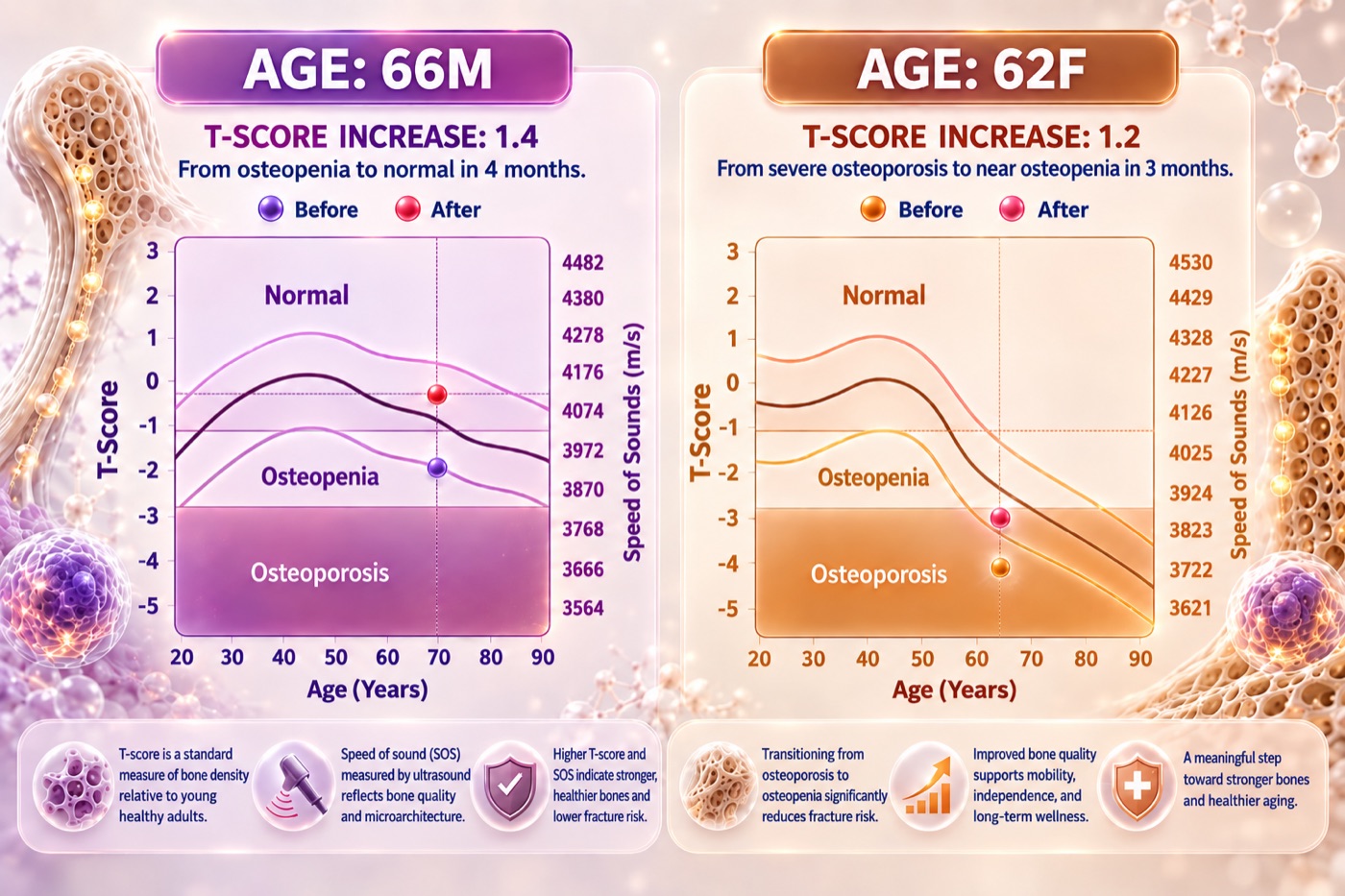
The paired quantitative ultrasound measurements presented here track two patient cases over three- and four-month intervals following the initiation of AIC therapy. These structural observations intersect with a core metabolic challenge in aging populations. While roughly 99% of the body's calcium is reserved in the skeleton, it is the biologically active free ionized fraction (Ca²⁺) circulating in the blood that executes immediate physiological work, from intracellular signaling to neuromuscular function.
Over time, this precise homeostasis frequently falters, driving a dual pathology of skeletal depletion alongside progressive soft tissue calcification. Aging degrades the handling machinery itself: in keratinocytes from elderly donors, resting cytosolic Ca²⁺ sits higher while capacitive Ca²⁺ entry falls below that of young cells, tracking a loss of calcium-sensing receptor expression.14
Because AIC therapy is targeted to help restore this systemic balance, improvements noted in clinical bone imaging hold dual significance. Within this framework, an upward trend in ultrasound metrics is relevant not merely for assessing fracture risk, but serves as a structural indicator of improved calcium partitioning and utilization throughout the body.
15Beyond Density: Systemic Rebuilding of Bone Architecture
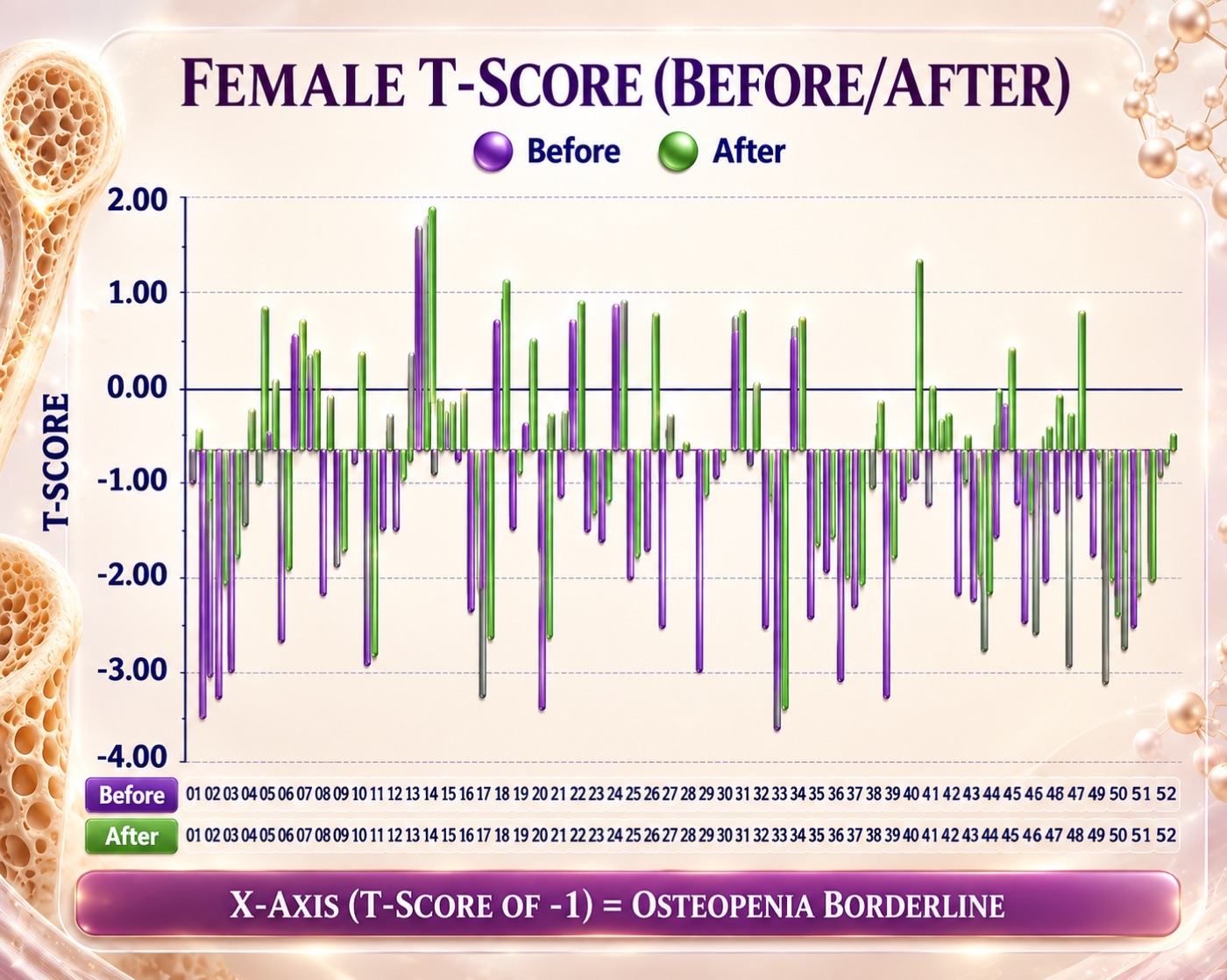
While standard assessments focus heavily on physical mass, for postmenopausal patients experiencing bone loss, a positive shift in T-scores serves as the most direct initial indicator of active skeletal rebuilding. Clinical data from the CBHI cohort demonstrates a clear upward correction in bone mineral density (BMD) following AIC administration. While initial tests reflected the expected bone depletion for this demographic, post-therapy results revealed a distinct structural turnaround across the group. Many individuals moved entirely out of the elevated fracture risk category, crossing the −1.0 osteopenia threshold and returning to normal physiological ranges, while others made significant, measurable progress toward that baseline. Fracture risk is the clinical endpoint the field accepts as decisive—and AIC actively reduces it. It drives this structural shift by activating calcium-sensing pathways to trigger endogenous calcitonin release when needed.
Moving beyond this conventional baseline, the structure of AIC drives these outcomes further. These sustained structural gains point to a strong metabolic response. By stabilizing parathyroid-driven calcium homeostasis and triggering endogenous calcitonin release, AIC demonstrates that the intervention goes beyond merely halting bone loss or adding inert density, to actively rebuild and regulate functional skeletal architecture.
Part 6 of 6
In Practice
How to administer it, now that the case has been made.
16Administering AIC: Transitioning from Bulk Supplementation to Systemic Cellular Recovery
The clinical consensus on mineral supplementation is shifting: we are moving away from simply pushing bulk intake and focusing instead on maintaining precise systemic calcium homeostasis. Traditional supplements often trap calcium in a protein-bound, inactive state, forcing the body to work hard to extract what it needs over time. This outdated focus on high-dose supplementation has inadvertently led to poor utilization and widespread cellular dysfunction. AIC therapy bypasses this metabolic waiting game completely by delivering calcium in a fully active state that requires no further physiological conversion.
For optimal administration, practitioners divide the diluted solution into controlled, fractionated doses. This spaced dosing strategy ensures sustained, manageable contact with the upper gastrointestinal mucosa. Dosing pattern carries clinical weight of its own: across 35 randomized trials, daily regimens lowered fall risk in older adults while intermittent bolus administration showed no preventive effect, and doses above the effective range performed worse than the moderate ones.15
As a result, assimilation occurs almost entirely in the duodenum, with minimal amounts ever reaching the lower small intestine. Assuming normal bile and pancreatic secretions, this highly localized absorption maximizes therapeutic efficiency without burdening the patient's digestive system.
Once this controlled intake hits the bloodstream, it initiates a hormonal response that builds significantly on known osteogenic pathways. This targeted ionic trigger yields systemic health benefits extending far beyond basic skeletal repair. Ultimately, this protocol gives clinicians a reliable, practical strategy to move past the guesswork of passive dietary reserves and actively restore true cellular homeostasis.
AIC Application
AIC Application.
Calcium signaling regulates processes in nearly every cell type, which is why AIC Therapy applies to all of these conditions.
AIC therapy transcends individual diagnoses by directly addressing root issues like cellular calcification and ionic dysfunction. Its remarkable versatility across multiple disease states makes it an indispensable clinical tool. We must actively utilize this approach to shift from symptom management to genuine health restoration.
Sign up to join the physicians following this work. To discuss a specific case or how the framework applies in your own practice, book a complimentary private online consultation.
Yoon D, Lee A, Yusuf I, Putranto T, Setiawan L, et al. A Potent Calcium Dietary Consumption Improves Bone Mineral Density in Asian Older Adults. J Family Med Prim Care Open Acc. 2025;9:290. https://doi.org/10.29011/2688-7460.100290
Tan RSG, Lee CHL, Dimke H, Todd Alexander R. The role of calcium-sensing receptor signaling in regulating transepithelial calcium transport. Exp Biol Med (Maywood). 2021 Nov;246(22):2407-2419. doi: 10.1177/15353702211010415. Epub 2021 Apr 29. PMID: 33926258; PMCID: PMC8606958.
Rubin KH, Holmberg T, Rothmann MJ, Høiberg M, Barkmann R, Gram J, Hermann AP, Bech M, Rasmussen O, Glüer CC, Brixen K. The risk-stratified osteoporosis strategy evaluation study (ROSE): a randomized prospective population-based study. Design and baseline characteristics. Calcif Tissue Int. 2015 Feb;96(2):167-79. doi: 10.1007/s00223-014-9950-8. Epub 2015 Jan 13. PMID: 25578146.
Abrahamsen, B., Osmond, C. and Cooper, C. (2015), Life Expectancy in Patients Treated for Osteoporosis: Observational Cohort Study Using National Danish Prescription Data. J Bone Miner Res, 30: 1553-1559. https://doi.org/10.1002/jbmr.2478
Wang Y, Zhou T, Zhao J, Zhu H, Tan X, Chen J, Zhang Z, Shen L, Lu S. Calcium handling remodeling in dilated cardiomyopathy: From molecular mechanisms to targeted therapies. Channels (Austin). 2025 Dec;19(1):2519545. doi: 10.1080/19336950.2025.2519545. Epub 2025 Jun 16. PMID: 40523026; PMCID: PMC12184125.
Das S, Chen Y, Yan J, Christensen G, Belhadj S, Tolone A, Paquet-Durand F. The role of cGMP-signalling and calcium-signalling in photoreceptor cell death: perspectives for therapy development. Pflugers Arch. 2021 Sep;473(9):1411-1421. doi: 10.1007/s00424-021-02556-9. Epub 2021 Apr 16. PMID: 33864120; PMCID: PMC8370896.
Jiang L, He H, Tang Y, Li J, Reilly S, Xin H, Li Z, Cai H, Zhang X. Activation of BK channels prevents diabetes-induced osteopenia by regulating mitochondrial Ca2+ and SLC25A5/ANT2-PINK1-PRKN-mediated mitophagy. Autophagy. 2024 Nov;20(11):2388-2404. doi: 10.1080/15548627.2024.2367184. Epub 2024 Jun 19. PMID: 38873928; PMCID: PMC11572260.
Trewin AJ, Weeks KL, Wadley GD, Lamon S. Regulation of mitochondrial calcium uniporter expression and calcium-dependent cell signaling by lncRNA Tug1 in cardiomyocytes. Am J Physiol Cell Physiol. 2023 Oct 1;325(4):C1097-C1105. doi: 10.1152/ajpcell.00339.2023. Epub 2023 Sep 18. PMID: 37721002.
Booth A, Camacho P. A Closer look at calcium absorption and the benefits and risks of dietary versus supplemental calcium. Postgrad Med. 2013 Nov;125(6):73-81. doi: 10.3810/pgm.2013.11.2714. PMID: 24200763.
Cook DC, Ryan TA. GABABR silencing of nerve terminals. Elife. 2023 Apr 4;12:e83530. doi: 10.7554/eLife.83530. PMID: 37014052; PMCID: PMC10115440.
Khairullah, A. R., Kurniasih, D. A. A., Maruf, I. F., Pratama, B. P., Sukmanadi, M., Ansori, A. N. M., Mustofa, I., Wardhani, B. W. K., Ahmad, R. Z., Martindah, E., Mulyati, S., Yulianti, W., Furqoni, A. H., Rehman, S., Wibowo, S., & Utari, F. (2026). Calcium Signaling Pathways in Physiological Regulation and Disease Development: A Comprehensive Review. Trends in Sciences, 23(4), 12261. https://doi.org/10.48048/tis.2026.12261
Zhao M, Quintana A, Zhang C, Andreyev AY, Kiosses W, Kuwana T, Murphy A, Hogan PG, Kronenberg M. Calcium signals regulate the functional differentiation of thymic iNKT cells. EMBO J. 2021 Aug 16;40(16):e107901. doi: 10.15252/embj.2021107901. Epub 2021 Jun 25. PMID: 34169542; PMCID: PMC8365263.
Bai J, Huang W, Yan R, Du X. Effects of Combined Exercise and Calcium/Vitamin D Supplementation on Bone Mineral Density in Postmenopausal Women: A Systematic Review and Meta-Analysis. Nutrients. 2025 Dec 11;17(24):3866. doi: 10.3390/nu17243866. PMID: 41470812; PMCID: PMC12735737.
Celli A, Tu CL, Lee E, Bikle DD, Mauro TM. Decreased Calcium-Sensing Receptor Expression Controls Calcium Signaling and Cell-To-Cell Adhesion Defects in Aged Skin. J Invest Dermatol. 2021 Nov;141(11):2577-2586. doi: 10.1016/j.jid.2021.03.025. Epub 2021 Apr 20. PMID: 33862069; PMCID: PMC8526647.
Tan L, He R, Zheng X. Effect of vitamin D, calcium, or combined supplementation on fall prevention: a systematic review and updated network meta-analysis. BMC Geriatr. 2024 May 2;24(1):390. doi: 10.1186/s12877-024-05009-x. PMID: 38698349; PMCID: PMC11064304.