(Part 1 of 3)
A Series on What Keeps Teeth and Gums Alive
In Part One of this newsletter, we will explore how calcium regulates alveolar bone stability and cavity prevention. Part Two will focus on its role in dental implants, bone remodeling, preventing peri-implant resorption, and gingival tissue integrity. Part Three will cover calcium’s impact on gum recession and highlight its role in enamel remineralization, salivary pH balance, and gingival tissue repair.
The Foundation Beneath Every Healthy Smile
Calcium homeostasis is a fundamental determinant of dental integrity, influencing the mineralization of enamel and the stability of periodontal structures. At the molecular level, hydroxyapatite crystals—primarily composed of calcium—form the structural backbone of enamel, providing its hardness and resistance to acid dissolution. Therefore, a steady influx of calcium ions is necessary to counteract demineralization, ensuring a continuous enamel repair and regeneration cycle.
Beyond enamel preservation, the alveolar bone secures teeth in place and undergoes dynamic remodeling dependent on calcium availability. Osteoblast activation, regulated through calcium signaling, sustains bone density and prevents alveolar resorption, which is critical for maintaining tooth stability and structural integrity. Moreover, calcium plays a pivotal role in gingival tissue maintenance, modulating inflammatory pathways. Its presence strengthens the extracellular matrix and supports immune defense against bacterial infiltration, thereby mitigating the progression of periodontitis.
In salivary function, calcium ions contribute to acid buffering, stabilizing pH, and reducing enamel erosion by disrupting plaque biofilm formation. Additionally, calcium-dependent enzymatic pathways facilitate collagen synthesis and tissue regeneration, accelerating the healing of soft tissues following dental procedures.
Given its extensive physiological roles, a disruption in calcium homeostasis heightens the risk of dental caries, gum recession, and implant instability. AIC, by stimulating endogenous calcitonin production and restoring calcium signaling, actively prevents pathological calcification within periodontal tissues while fostering an environment conducive to bone regeneration and gum resilience. By directly supporting these mechanisms, AIC provides continuous dental integrity, optimal enamel remineralization, periodontal stability, and enhanced bone regeneration—foundational elements for long-term oral health and implant success.
https://www.sciencedirect.com/science/article/pii/S2452199X18300732
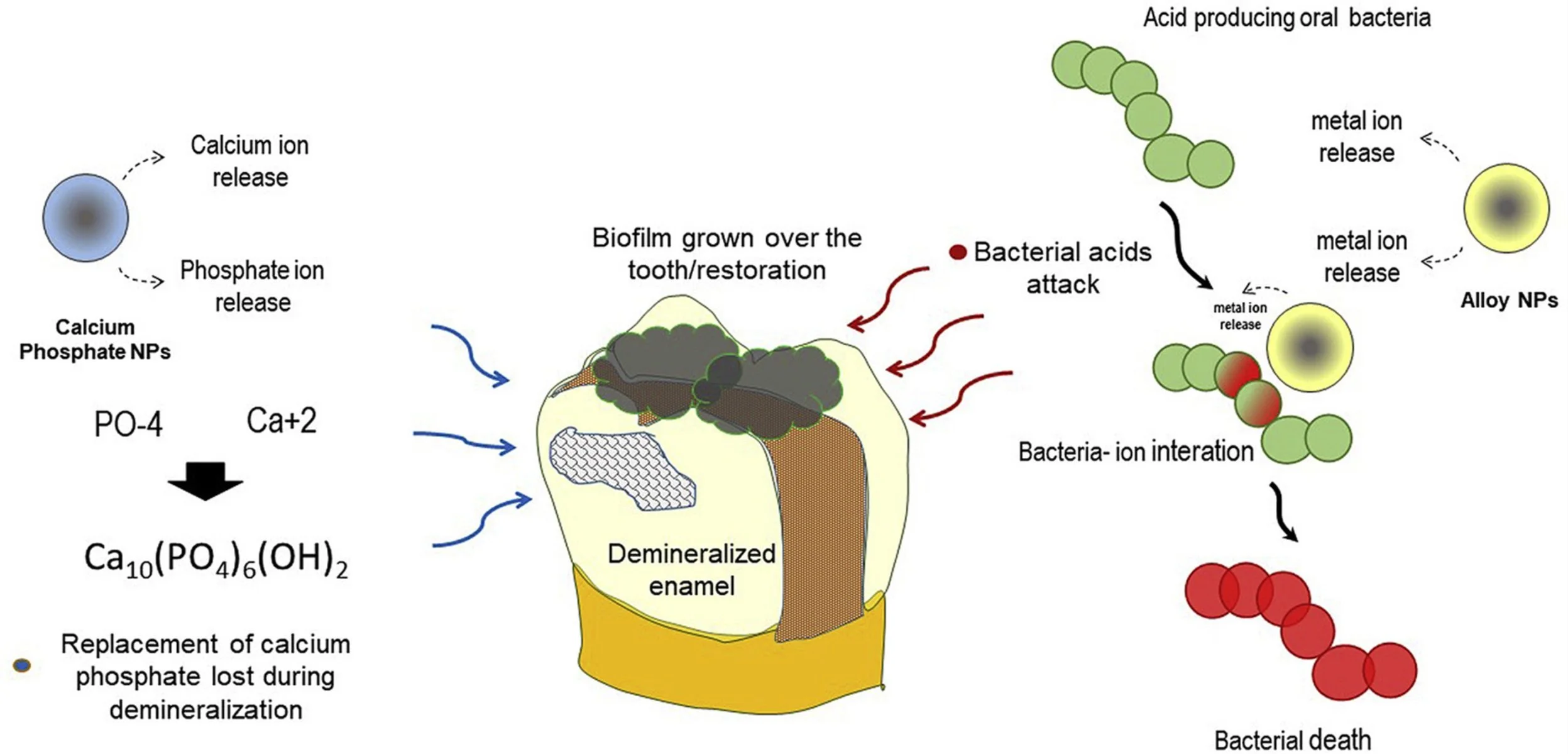
This figure demonstrates the role of calcium in preventing dental caries and improving restorative materials. Calcium ions play a crucial role in remineralizing demineralized enamel by replacing lost mineral content and counteracting the destructive effects of bacterial acids. The biofilm formed over the tooth accelerates enamel degradation, but calcium ion release helps maintain the integrity of the hard tooth structure. Additionally, calcium ions contribute to bacterial inhibition by disrupting microbial activity and reducing the impact of acid-producing oral bacteria. This dual mechanism—remineralization and antibacterial effects—enhances the longevity of restorative materials and reduces caries around restorations.
https://www.sciencedirect.com/science/article/pii/S002231662207122X
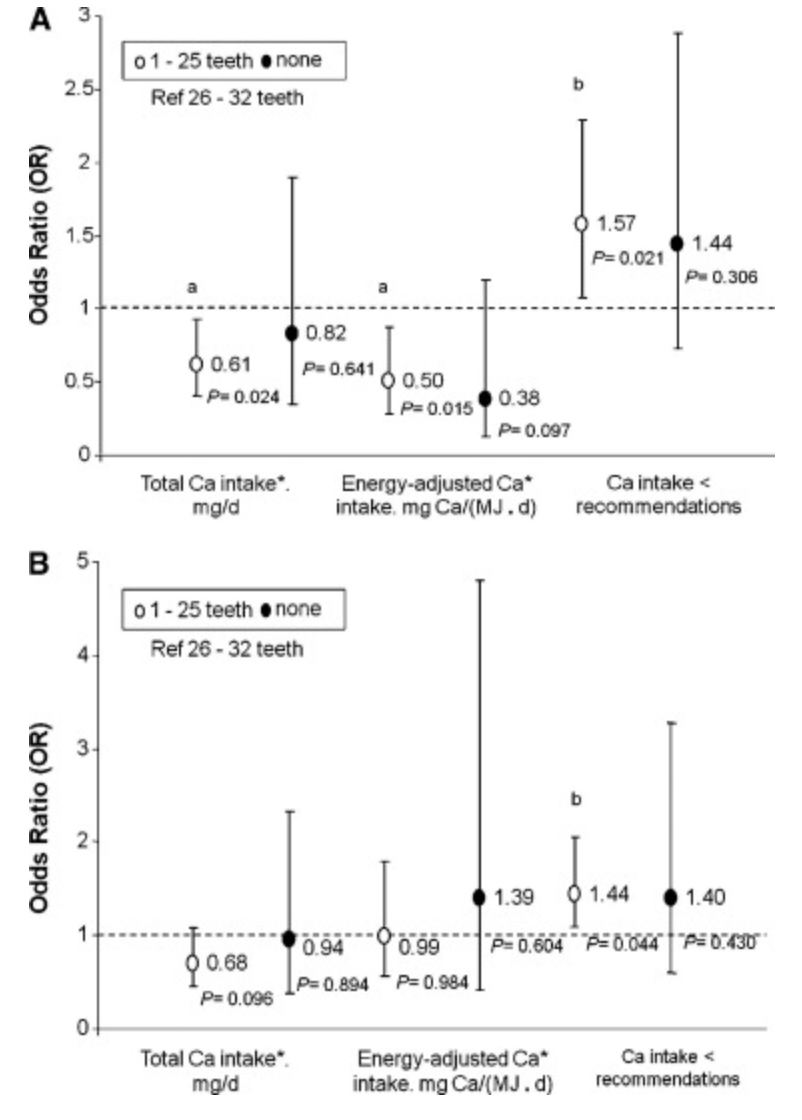
This Table demonstrates the relationship between calcium intake and the number of remaining teeth in men (A) and women (B). The data suggest that higher calcium intake is associated with a protective effect against tooth loss, particularly in men, where higher total and energy-adjusted calcium intake is linked to a lower odds ratio (OR) of having fewer teeth. Conversely, individuals with calcium intake below the recommended levels tend to have a higher OR of tooth loss, indicating a potential risk. The results highlight the importance of adequate calcium intake in maintaining oral health and preserving natural teeth, particularly as a preventive strategy against tooth loss.
Case Reference
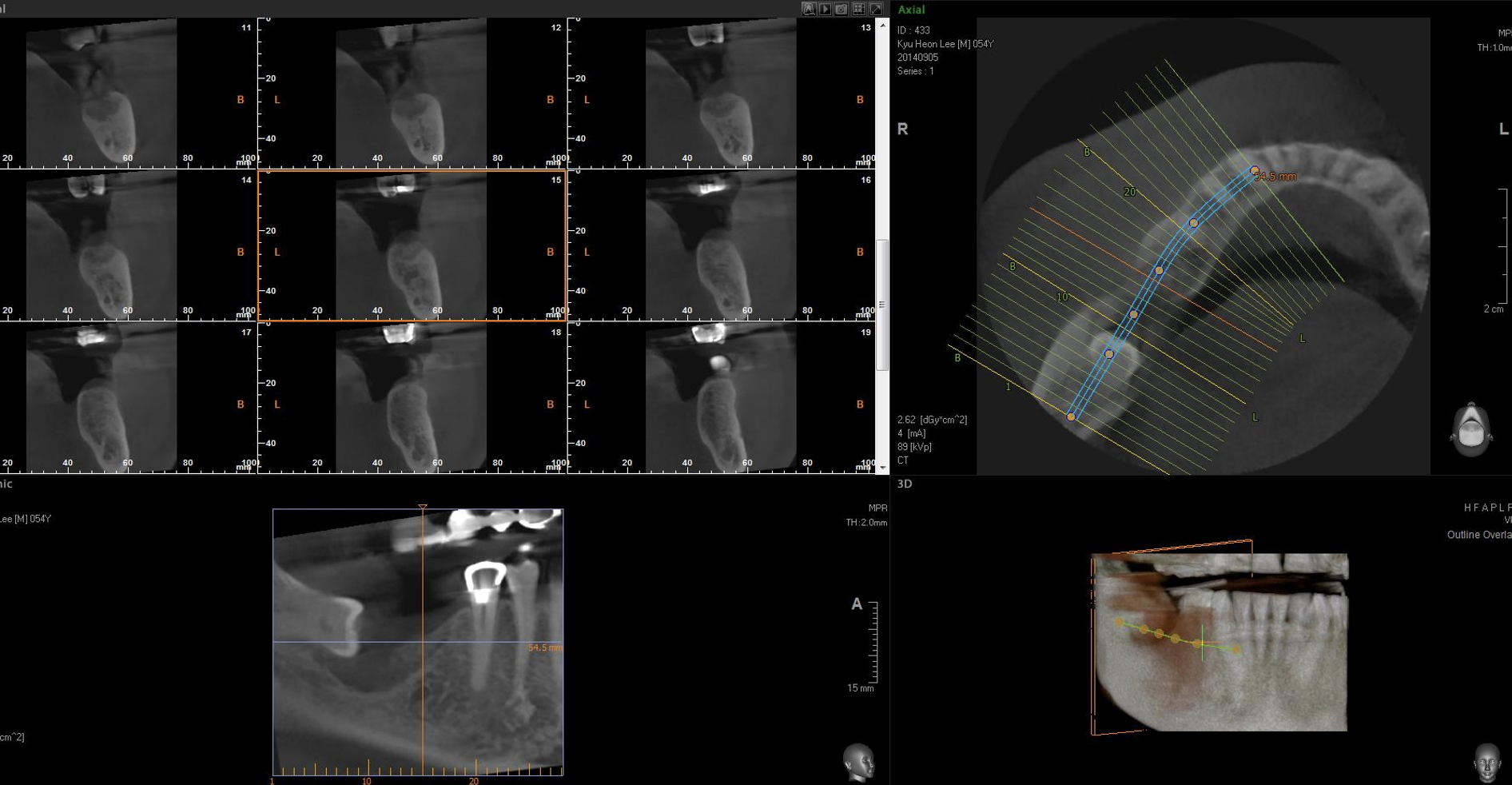
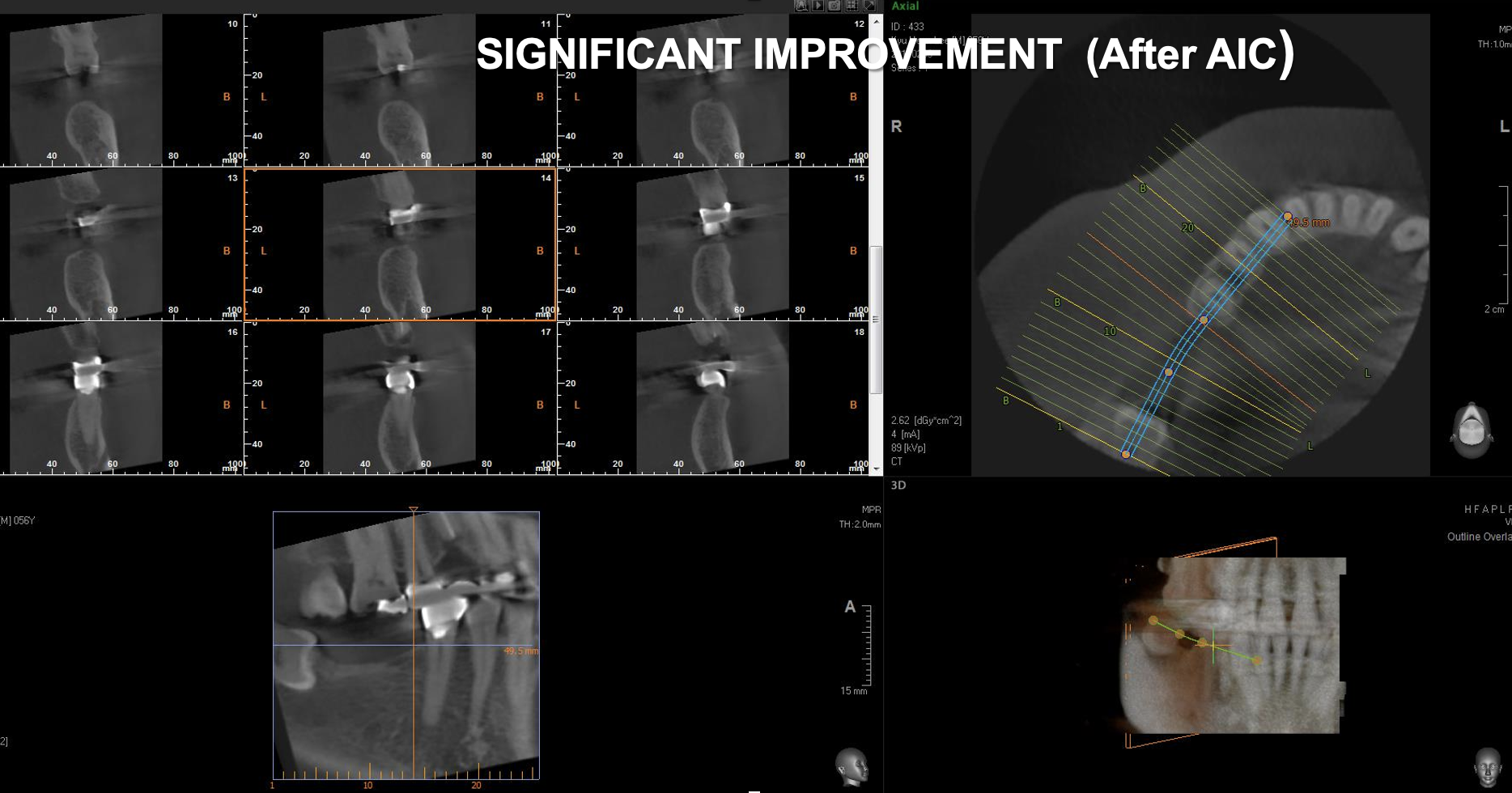
A 60-year-old male presented with a missing tooth and a significant bone gap following extraction. Traditionally, such cases require bone grafting to restore lost alveolar structure, yet after 10 months of AIC therapy, the patient exhibited substantial natural bone regeneration without surgical intervention. CBCT imaging confirmed increased bone density and structural continuity, suggesting enhanced endogenous remodeling. Additionally, signs of cementogenesis were observed, indicating benefits for root surface integrity and periodontal stability. This case highlights how targeted calcium signaling facilitates bone regeneration and periodontal repair, offering a promising avenue for non-invasive dental recovery.
4 Common Myths About Dental Problems
1. No Pain, No Problem
The absence of pain does not indicate oral health. Cavities, periodontal disease, and infections often develop asymptomatically. Regular dental check-ups are essential for early intervention.
2. Sugar Alone Causes Cavities
Caries formation is multifactorial. Acid-producing bacteria metabolize sugars and starches, leading to enamel demineralization. Proper oral hygiene and fluoride exposure are critical for prevention.
3. Brushing Harder Means Cleaner Teeth
Excessive brushing abrades enamel and promotes gingival recession, increasing sensitivity and vulnerability to decay. A soft-bristled brush with controlled pressure is optimal.
4. Baby Teeth Don’t Matter Because They Fall Out
Primary teeth serve as essential placeholders for permanent dentition. Early loss due to decay can cause misalignment, occlusal issues, and speech development problems. Pediatric oral care is foundational for lifelong dental health.
Conclusion
Ionic calcium is at the core of dental health, playing a vital role in enamel strength, gum stability, and bone regeneration. However, everyone experiences ionic calcium deficiency with aging, and regular calcium supplementation won’t address the issue and may cause more calcification issues. Unlike these, AIC ionic calcium therapy prevents demineralization, keeping teeth resilient against acid damage. More than just protecting enamel, ionic calcium supports bone remodeling, as seen in cases where AIC therapy led to natural bone regeneration without surgery. It also helps maintain healthy gums, reduces inflammation, and stabilizes pH in the mouth, limiting bacterial growth. Low calcium intake has been linked to higher rates of tooth loss, making its role in oral health impossible to ignore. Addressing common misconceptions and ensuring proper calcium balance can mean the difference between long-term dental stability and preventable deterioration. The science is clear: strong teeth start with strong calcium regulation, which is now possible through antiorbital ionic calcium (AIC).
Bring calcium signaling into your practice.
Practitioners can request a consultation to discuss AIC therapy and how these mechanisms apply to specific cases.
Newsletter content is educational and contributed by participating healthcare practitioners. These statements have not been evaluated by the FDA and are not intended to diagnose, treat, cure, or prevent any disease.