This section holds original research on AIC Therapy, a collection of published work on calcium from other sources, and presentations from scientific conferences.
Preclinical evaluation of antiorbital ionic calcium compounds reveals differential Annexin V/PI-defined cell death profiles in MCF-7 breast cancer cells
This preclinical study examined whether two antiorbital ionic calcium compounds affect the viability of hormone receptor-positive breast cancer cells, a subtype in which resistance to conventional therapy remains a clinical challenge. In ER-positive MCF-7 cells, both the fatty acid formulation (AIC-FA) and the liquid stealth glucose formulation (AIC-SG) reduced cell viability at 24, 48, and 72 hours compared with controls, with more pronounced effects at later time points. Annexin V/PI flow cytometry revealed partially distinct cell death profiles: AIC-FA was associated with increases in both early apoptotic-like and necrotic-like populations, whereas AIC-SG shifted cells predominantly toward necrotic-like populations, and both compounds significantly reduced the proportion of live cells. These in vitro findings support further investigation of AIC compounds in preclinical breast cancer models.
Bozdogan, S., Lee, P., Turkseven, C.H. et al. Preclinical evaluation of anti-orbital ionic calcium compounds reveals differential Annexin V/PI-Defined cell death profiles in MCF-7 breast cancer cells. Mol Biol Rep 53, 750 (2026). https://doi.org/10.1007/s11033-026-11937-1
Sigma Anti-bonding Calcium Attenuates Ovariectomy-Induced Bone Loss by Preserving Trabecular Microarchitecture and Suppressing Osteoclastogenesis
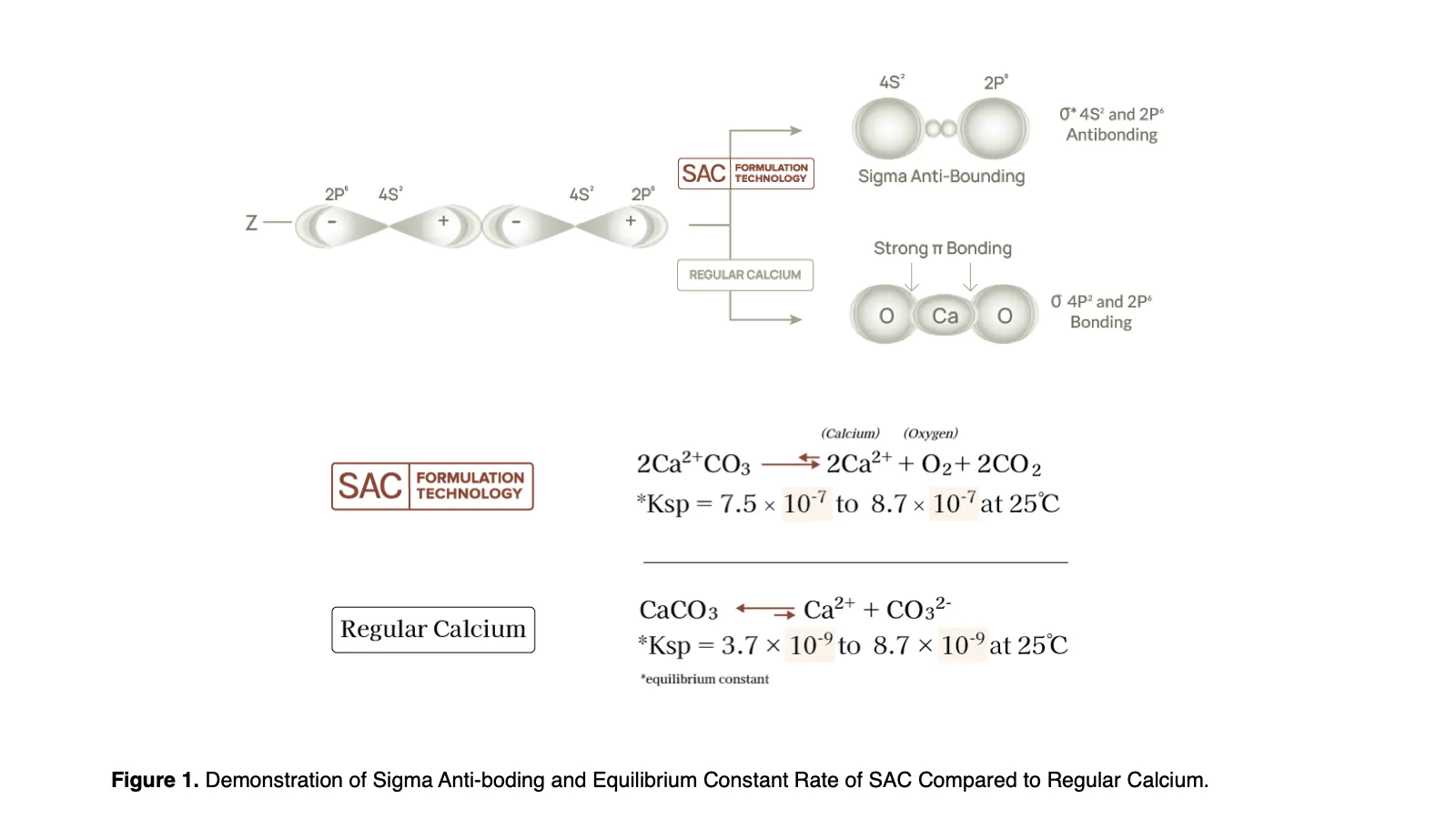
This preclinical study investigated whether AIC (called sigma anti-bonding calcium, SAC, in the paper) could reduce estrogen deficiency–associated bone loss using an ovariectomized mouse model and RANKL-induced osteoclastogenesis in vitro. Oral SAC treatment for 13 weeks attenuated deterioration of trabecular bone, preserving bone mineral density and trabecular number while reducing structural changes associated with osteoporosis. SAC also significantly reduced the bone resorption marker CTX without producing significant changes in body or major organ weights. In vitro, SAC suppressed RANKL-induced osteoclast differentiation and reduced the expression of osteoclast-related genes, including TRAP, NFATc1, Ctsk, and Atp6v0d2. These effects were accompanied by reduced p38 phosphorylation and decreased NFATc1 and MITF protein expression. The findings support further investigation of SAC as a potential approach for reducing estrogen deficiency–associated bone loss.
Oh, Y., Yoo, B.C., Moon, S. et al. Sigma Anti-bonding Calcium Attenuates Ovariectomy-Induced Bone Loss by Preserving Trabecular Microarchitecture and Suppressing Osteoclastogenesis. Calcif Tissue Int 117, 141 (2026). https://doi.org/10.1007/s00223-026-01605-8
Effects of Sigma Anti-bonding Molecule Calcium Carbonate on bone turnover and calcium balance in ovariectomized rats
This preclinical study evaluated AIC as a treatment for estrogen deficiency-induced bone loss in an ovariectomized rat model of postmenopausal osteoporosis. Beginning three weeks after surgery, ovariectomized Sprague-Dawley rats received 0.0012% AIC in drinking water for 12 weeks and were compared with sham-operated and untreated ovariectomized controls. Ovariectomy significantly reduced serum 17β-estradiol, femoral breaking force, bone mineral density, and femoral calcium and phosphorus content, while increasing the bone turnover markers osteocalcin and CTx. AIC treatment restored the altered estradiol, osteocalcin, and CTx concentrations and recovered femoral breaking force, mineral density, and mineral content, although it did not reverse the ovariectomy-induced reduction in reproductive organ weights. The authors conclude that AIC improves bone density by attenuating bone turnover and may represent a candidate for the treatment or prevention of postmenopausal osteoporosis.
Choi SY, Park D, Yang G, et al. Lab Anim Res. 2011;27(4):301–307.
A Potent Calcium Dietary Consumption Improves Bone Mineral Density in Asian Older Adults
This clinical study evaluated the effect of AIC intake on bone mineral density in an Asian cohort, a population with a higher prevalence of osteoporosis and related fractures. Eighty-two participants were stratified by baseline T-score into normal (n=18), osteopenic (n=31), and osteoporotic (n=33) groups, and T-scores, BMD, and speed of sound (SOS) were measured at the distal radius at baseline and after approximately eight months of AIC intervention. Following treatment, mean T-scores improved significantly (from -2.0 to -0.85), BMD increased from 0.95 to 1.10 g/cm², and SOS values rose from 3,946 to 4,079 (all p<0.0001), with improvements observed across ages and genders. Categorical shifts were also notable: 65% of osteopenic participants (20/31) reached normal bone density, 64% of osteoporotic participants (21/33) improved to osteopenia, and 12% of those with baseline osteoporosis (4/33) transitioned into the normal range. The authors conclude that AIC intake leads to significant improvements in bone health in this susceptible population and may represent a useful option for attenuating osteoporosis.
Yoon D, Lee A, Yusuf I, et al. J Family Med Prim Care Open Acc. 2025;9:290.
An open-label clinical investigation followed 82 Asian older adults on daily AIC for approximately eight months, with bone status assessed at the distal radius by validated ultrasound densitometry. Participants were stratified at baseline by T-score into normal (n=18), osteopenia (n=31), and osteoporosis (n=33). The figure tracks how those categories shifted over the treatment period: 20 of 31 osteopenic participants (65%) reached the normal range, 21 of 33 osteoporotic participants (64%) improved to osteopenia, and 4 of 33 (12%) moved from osteoporosis to normal. Category improvement was reported in both sexes and across the age range studied. The design was uncontrolled, so the figure describes within-cohort change rather than comparison against placebo or standard therapy.
Yoon D, Lee A, Yusuf I, Putranto T, Setiawan L, et al. (2025) A Potent Calcium Dietary Consumption Improves Bone Mineral Density in Asian Older Adults. J Family Med Prim Care Open Acc 9: 290.
Micro-CT and histomorphometry in an osteoporotic model
The aged mutant-human EPOR (mtH EPOR) mouse develops a severe age-dependent osteoporotic phenotype, most pronounced in females past 18 months, and is informative because the defect sits in calcium signaling rather than in loss of the bone cells themselves. After 90 days of AIC, bone volume fraction (BV/TV) recovered and trabecular number (Tb.N) increased, both at p<0.0001, while trabecular separation (Tb.Sp) decreased. Trabecular thickness (Tb.Th) was unchanged, which is the pattern expected when new trabeculae are formed rather than existing surfaces mineralizing further. The micro-CT panels below show this directly: severe trabecular loss in the OVX group against near-total preservation of structural density in the AIC 200 group.
Inflammatory signaling in vitro
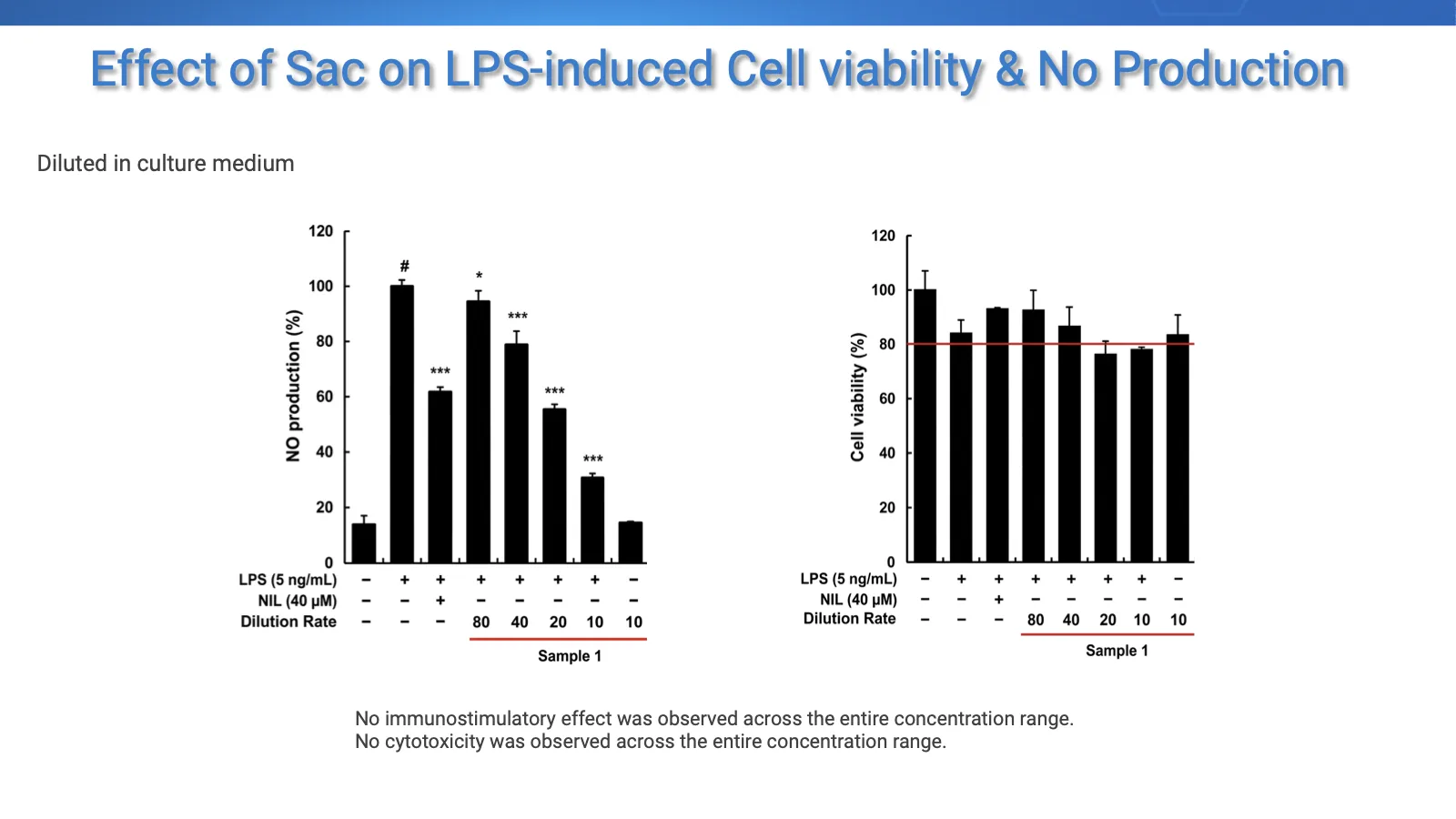
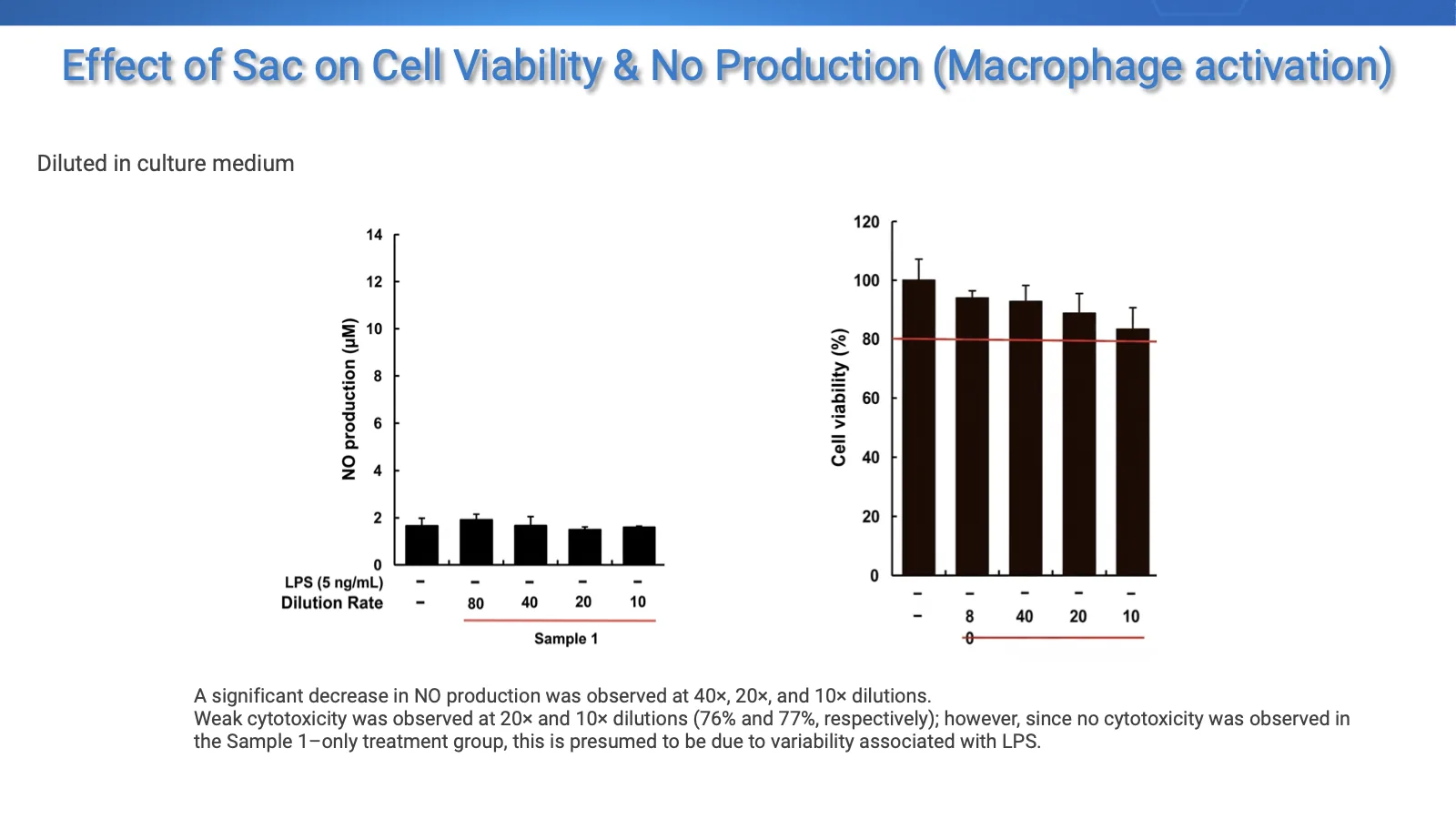
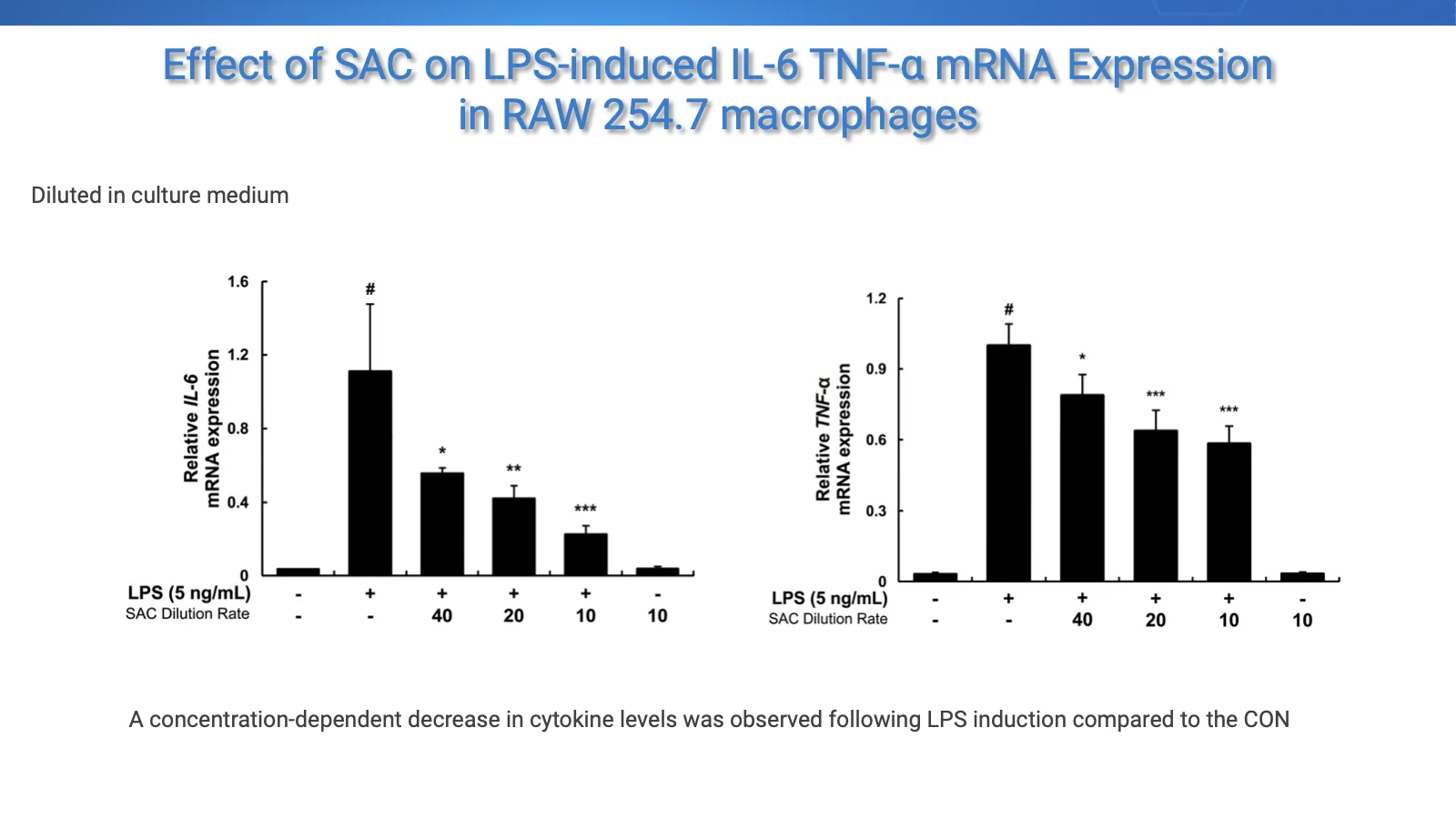
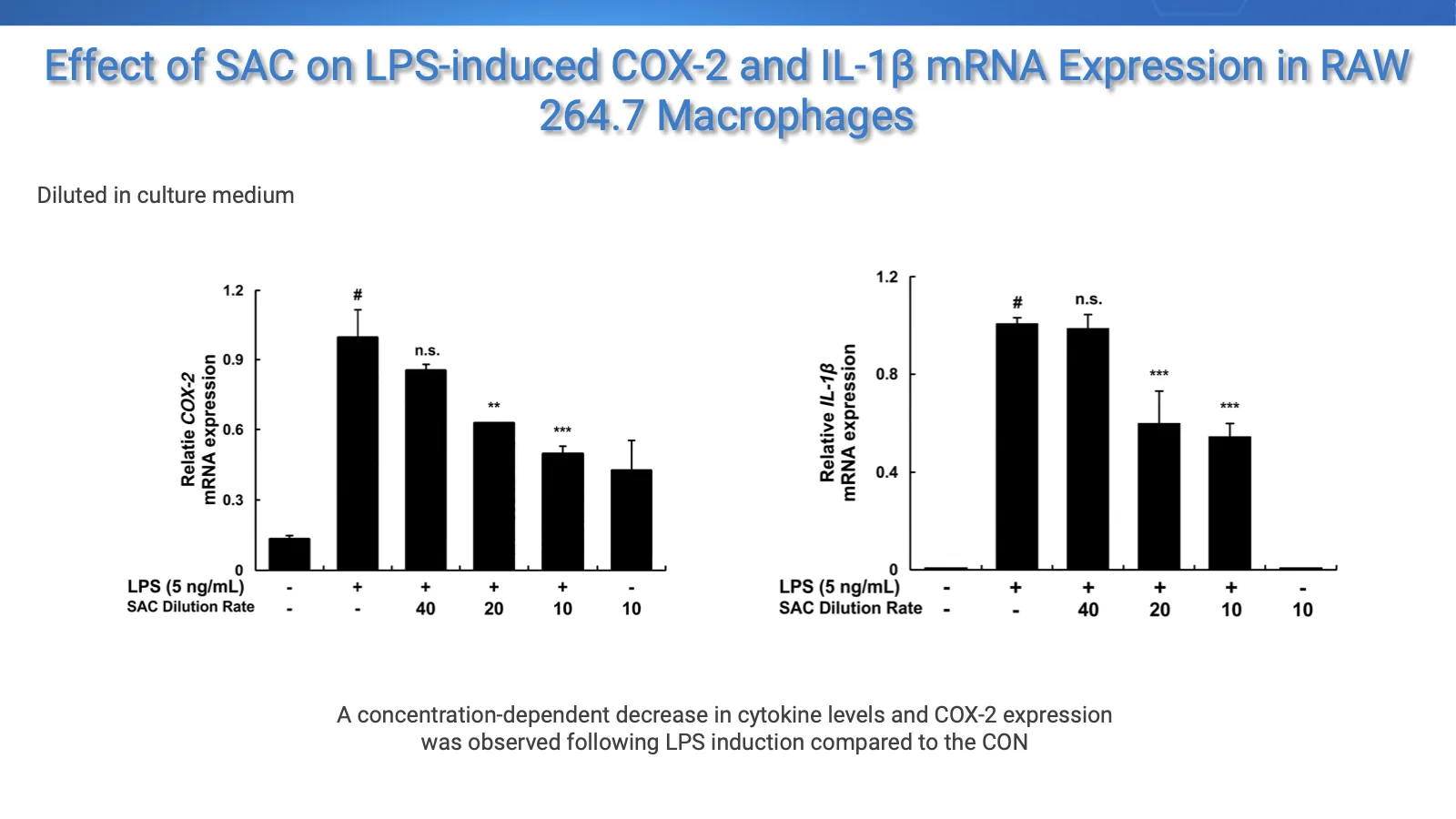
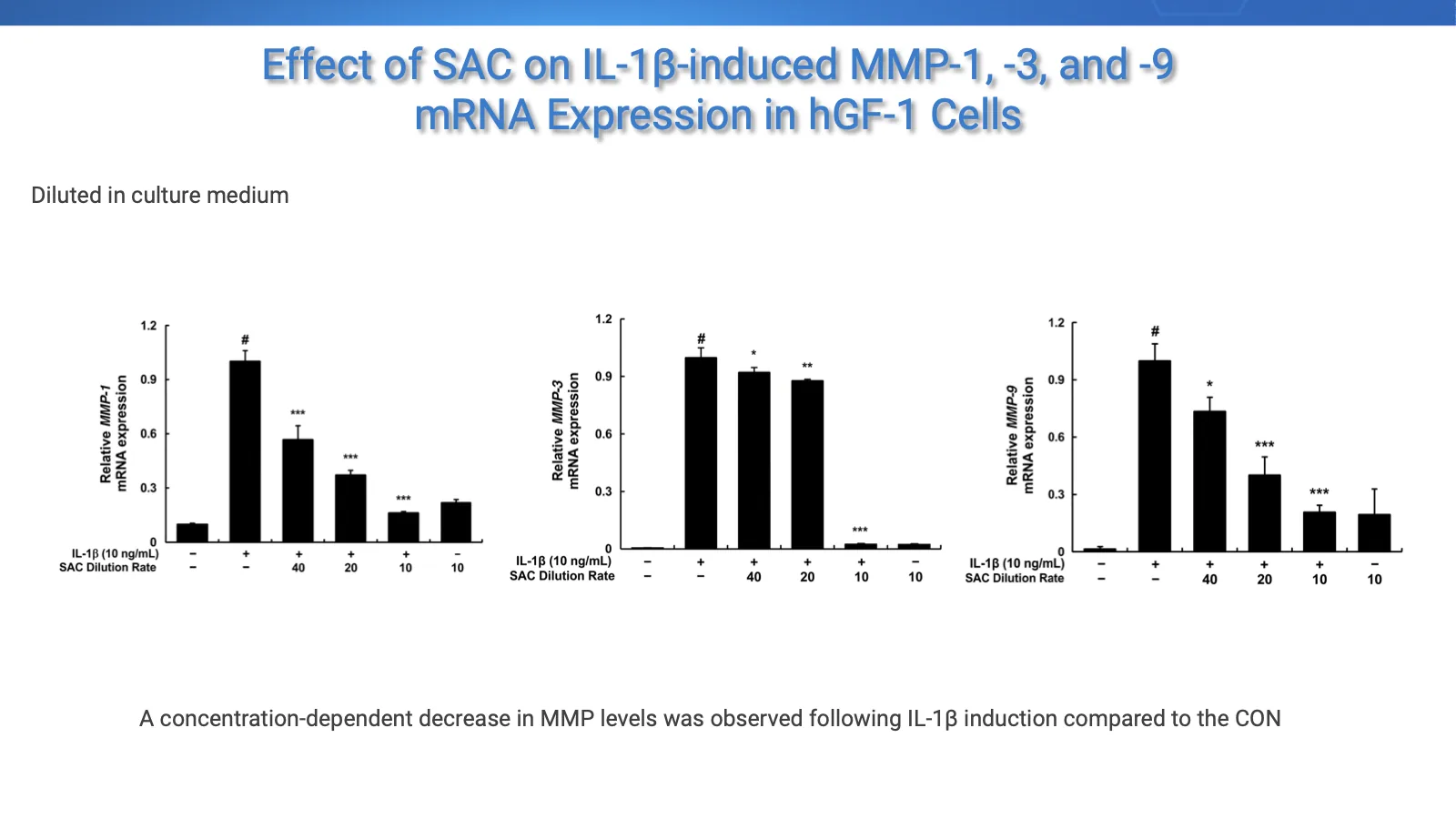
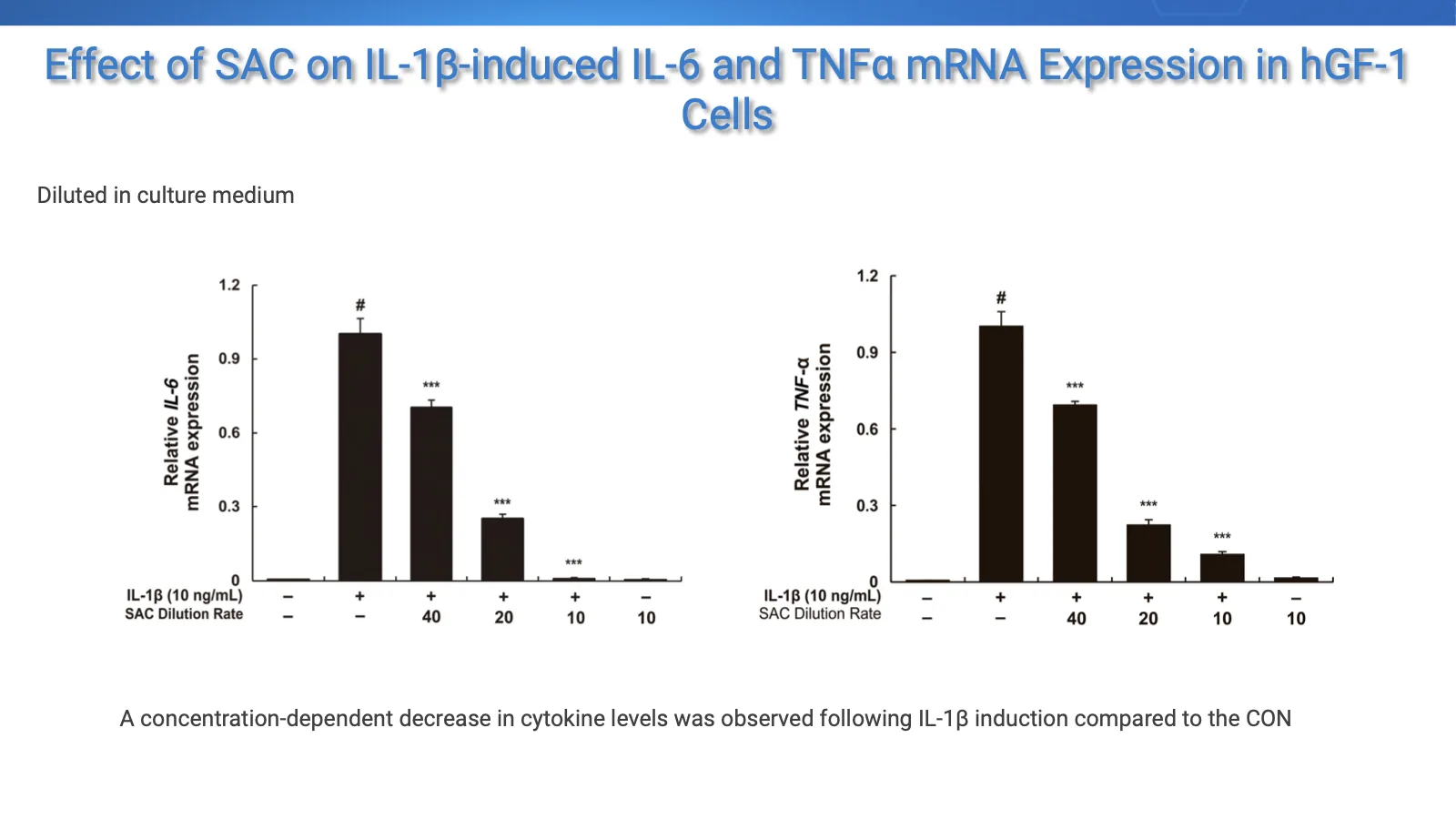
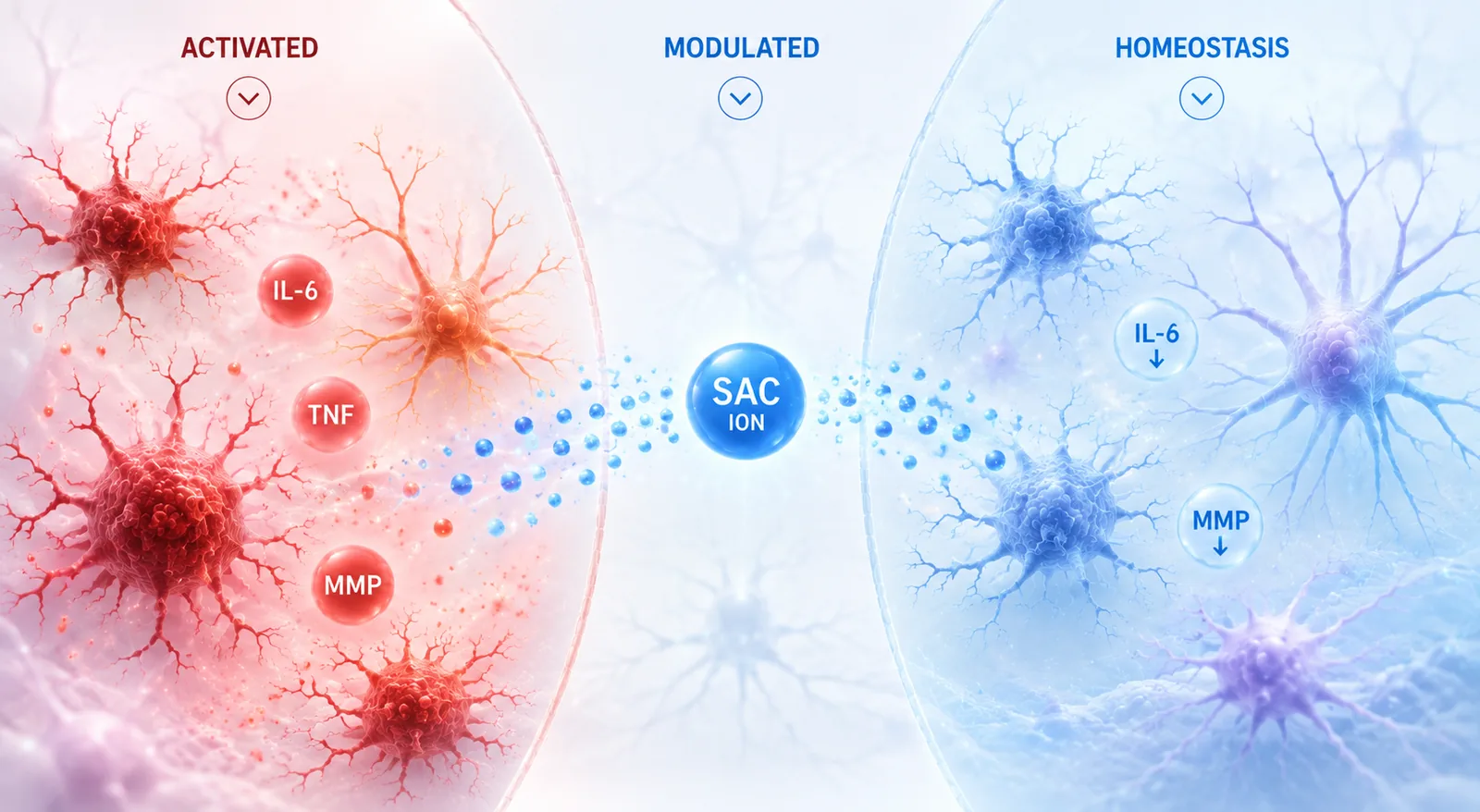
Laboratory work from Kyung Hee University examined AIC in cells stimulated with LPS or IL-1β. AIC produced a concentration-dependent downregulation of IL-6, TNF-α, and IL-1β, and suppressed COX-2 along with matrix metalloproteinases (MMPs). The mechanistic reading is that normalizing the calcium signal lowers prostaglandin-linked inflammatory pressure and rebalances immune-cell function, rather than blunting lymphocyte activity outright. The table below sets this against conventional immunosuppression across four dimensions: clinical goal, mechanism, cellular action, and bone impact. These are in vitro findings and describe cellular behavior under controlled stimulation, not clinical outcomes in autoimmune disease.
Clinical case
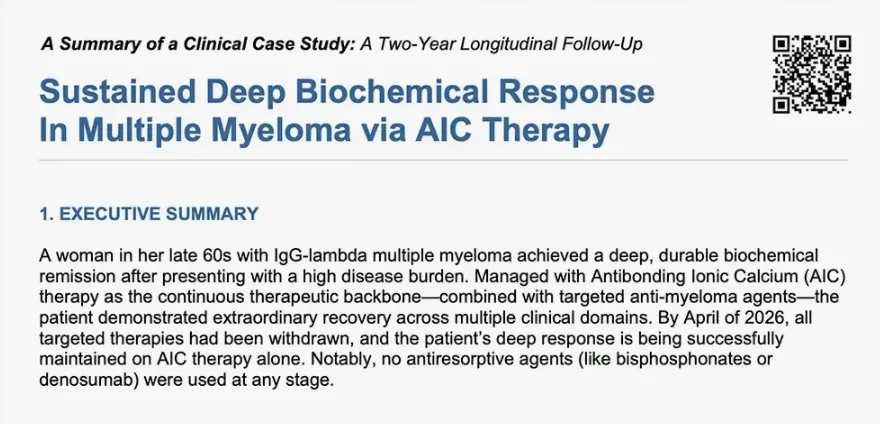
Sustained deep biochemical response in multiple myeloma managed with AIC therapy: a two-year case study.
1Clinical collaborative research of CBHI and Hallym University
Calcium and Bone Health Institute, a clinical research institute in Canada, joined Hallym University in South Korea for a collaborative clinical evaluative study of AIC Therapy in women with postmenopausal osteopenia. Professor Lee Sang-soo, director of the Skeletal Aging Research Institute at Hallym University School of Medicine, and Professor Ryu Ok-hyun will lead the research. Related research also evaluates the effects of AIC Therapy on bone turnover and calcium balance in ovariectomized rats. Sungkyunkwan University is conducting an additional evaluation of AIC Therapy’s bone health improvement efficacy. The study focuses on the effectiveness of AIC-Calcium in improving bone health, particularly under postmenopausal conditions. With support from CBHI, these joint research projects aim to scientifically evaluate the biological benefits of AIC Therapy in bone health.
2AIC study with GCaMP on Zebra Fish
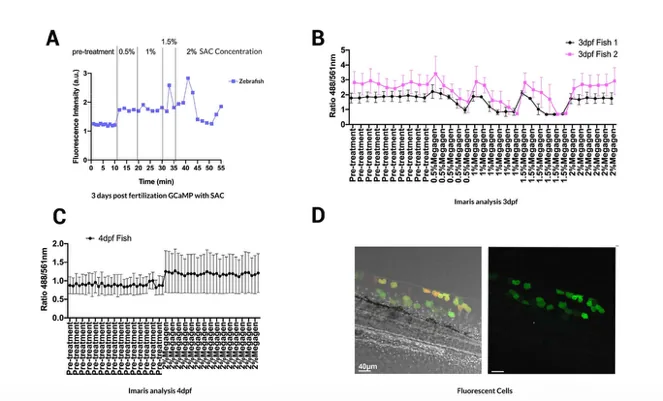
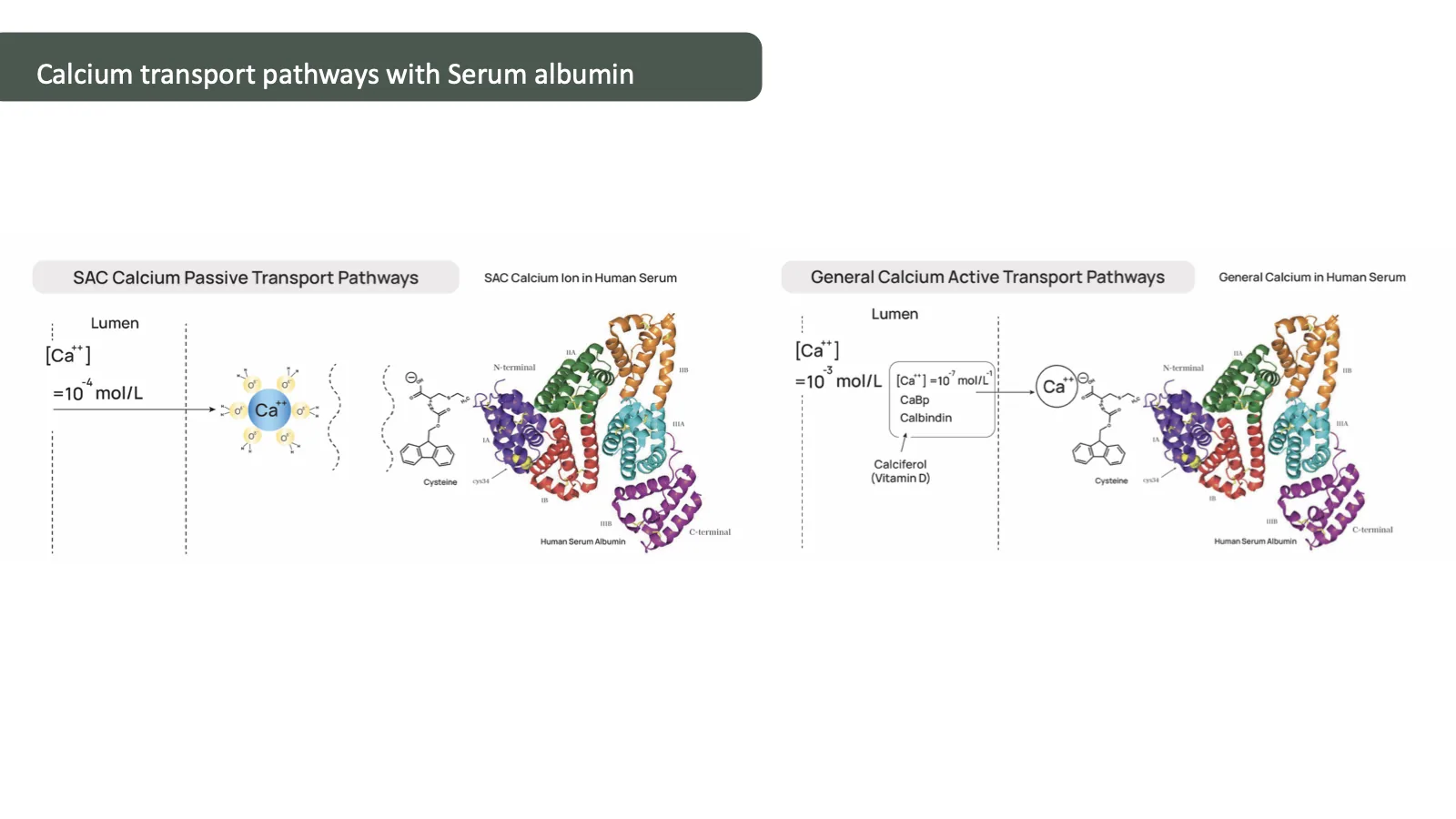
AIC Study with GCaMP on Zebra Fish was conducted by Prof. Sandra Rieger at the Sylvester Comprehensive Cancer Center, University of Miami, in January 2021. In the experiment, fluorescent cells were analyzed after transient microinjections in zebrafish. Because the injections produced mosaic expression, only some cells expressed GCaMP, while a red fluorescent transgene was co-expressed as a background control. In 3-day-post-fertilization fish, individual cells were measured and the results were combined as mean ± SEM. The ratio of green GCaMP fluorescence to dsRed fluorescence was calculated at 488 nm and 561 nm. Fluorescence spikes were observed at 3 days post fertilization as the treatment concentration increased, consistent with the expected response. After analysis, a clear response was observed at AIC concentrations of 0.5%, 1%, 1.5%, and 2% within approximately 2–3 minutes.
3AIC Technology Applied Cream’s Effect on Epithelial Cells
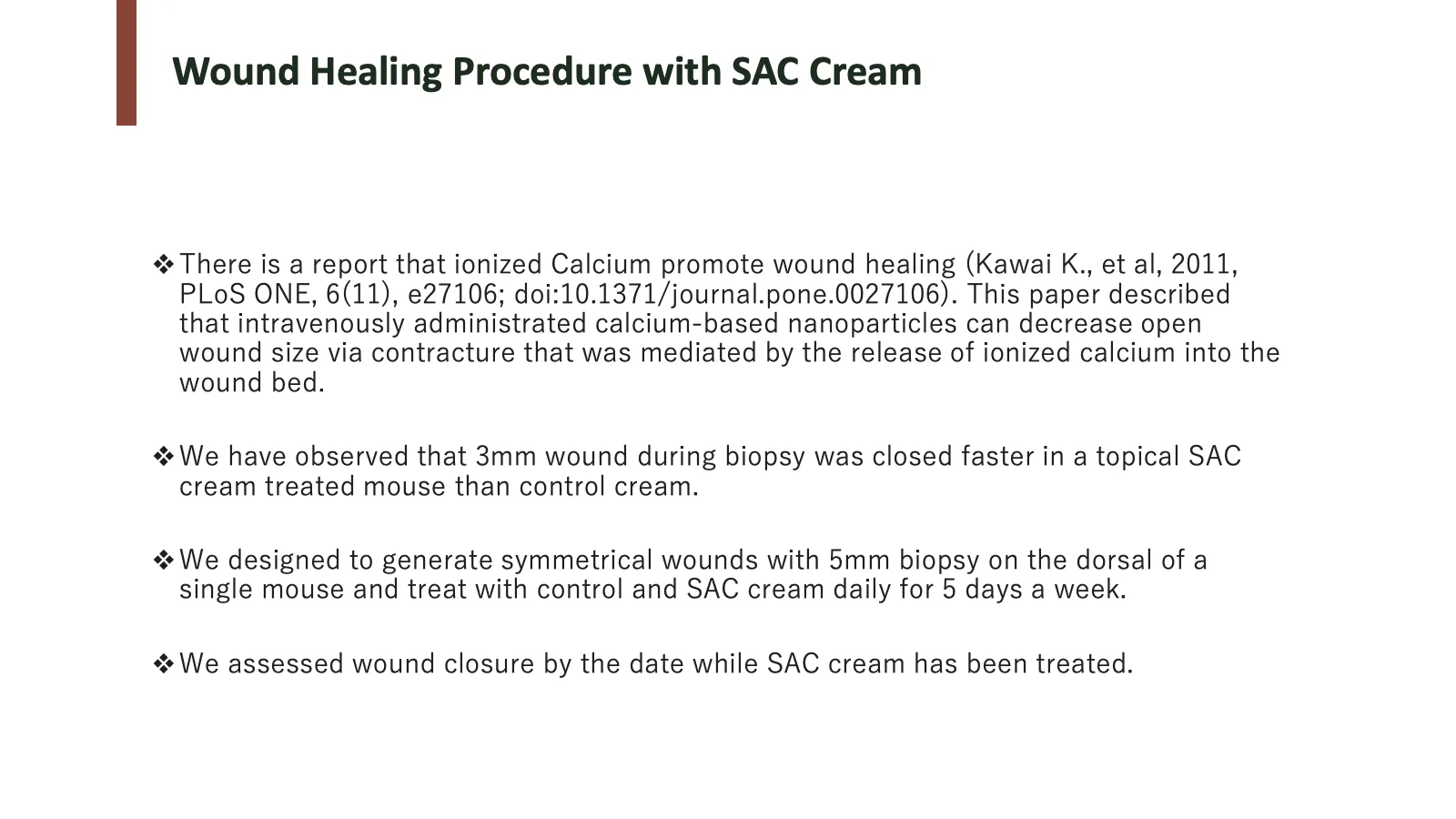
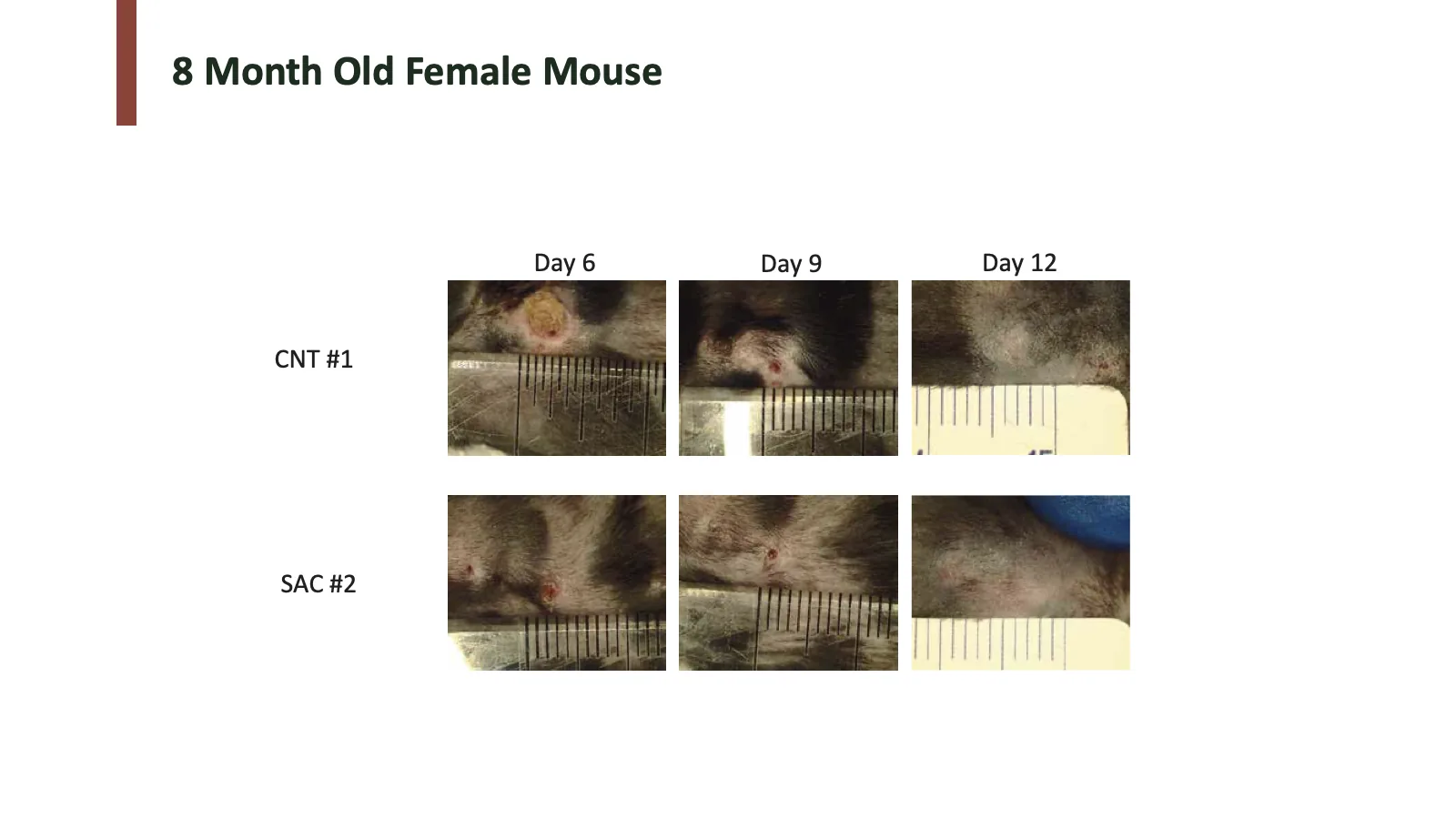
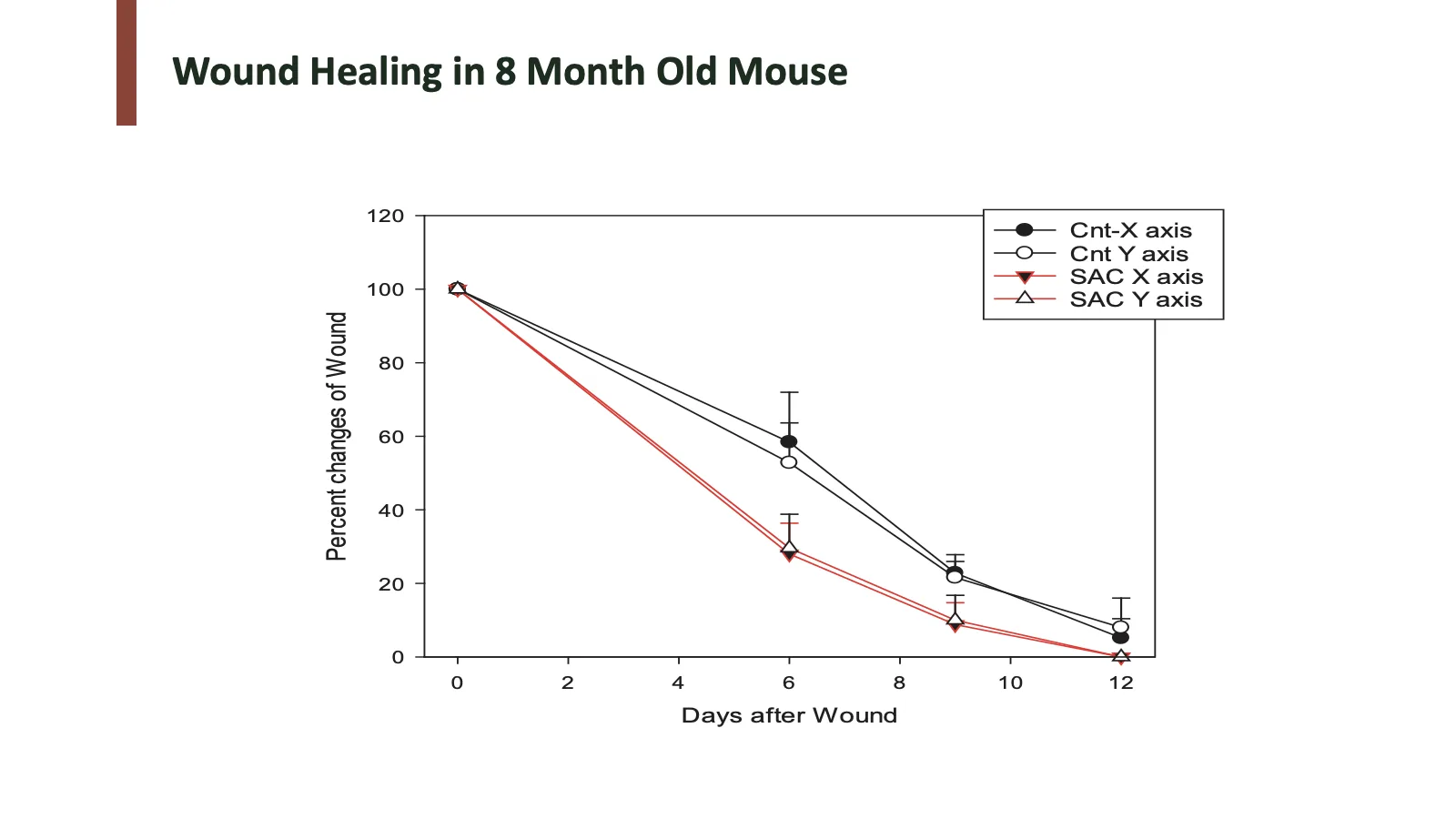
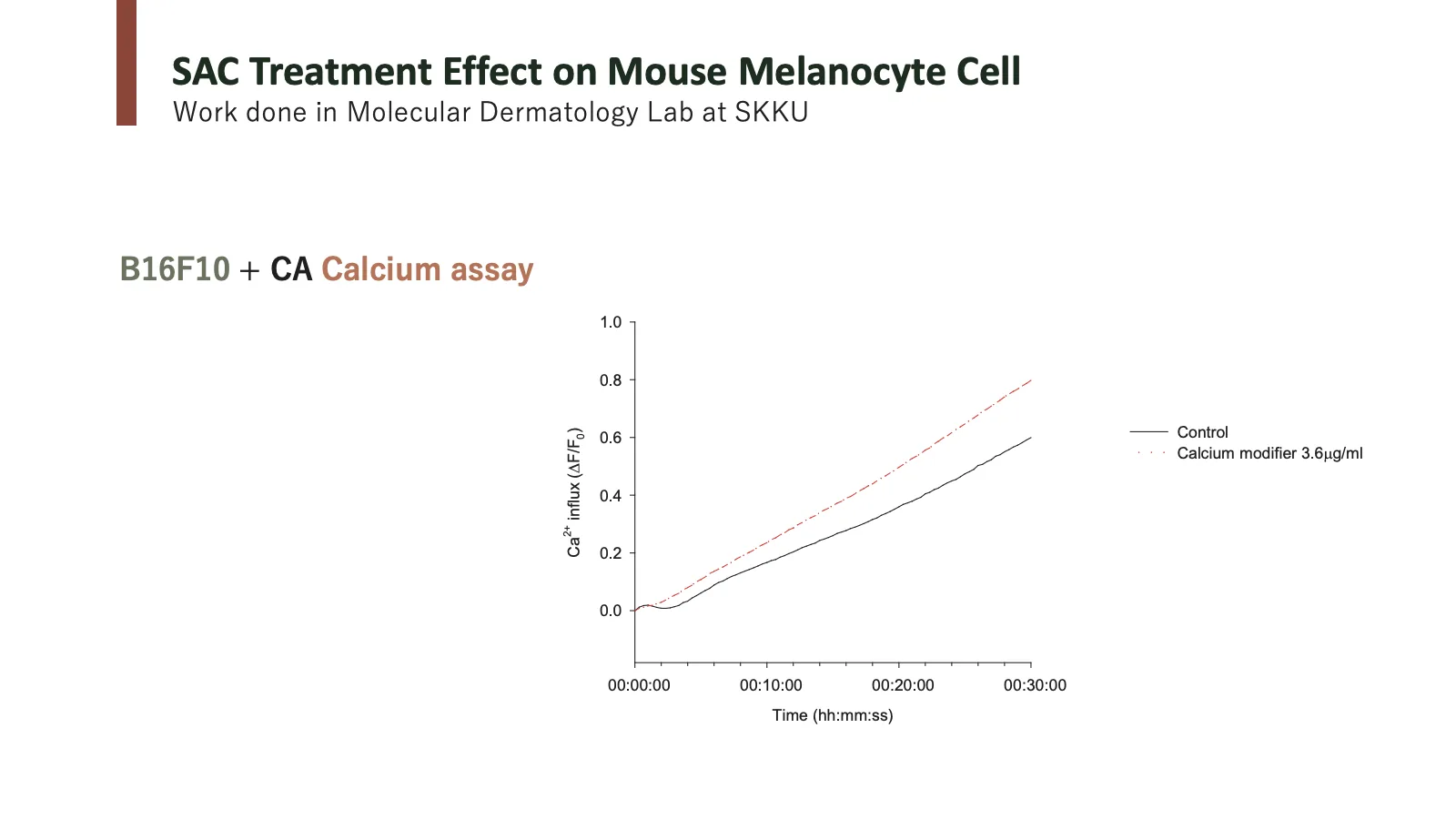
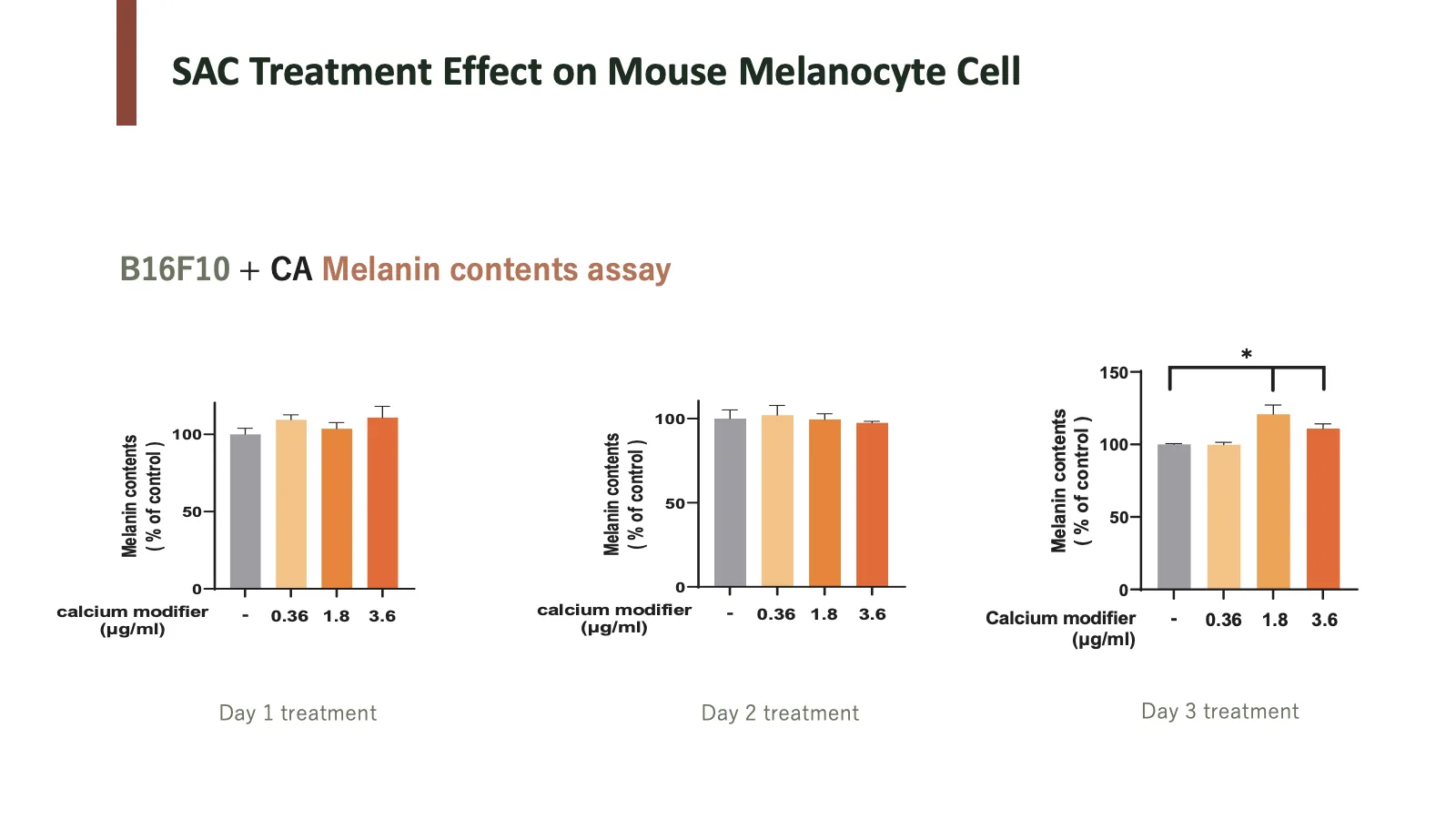
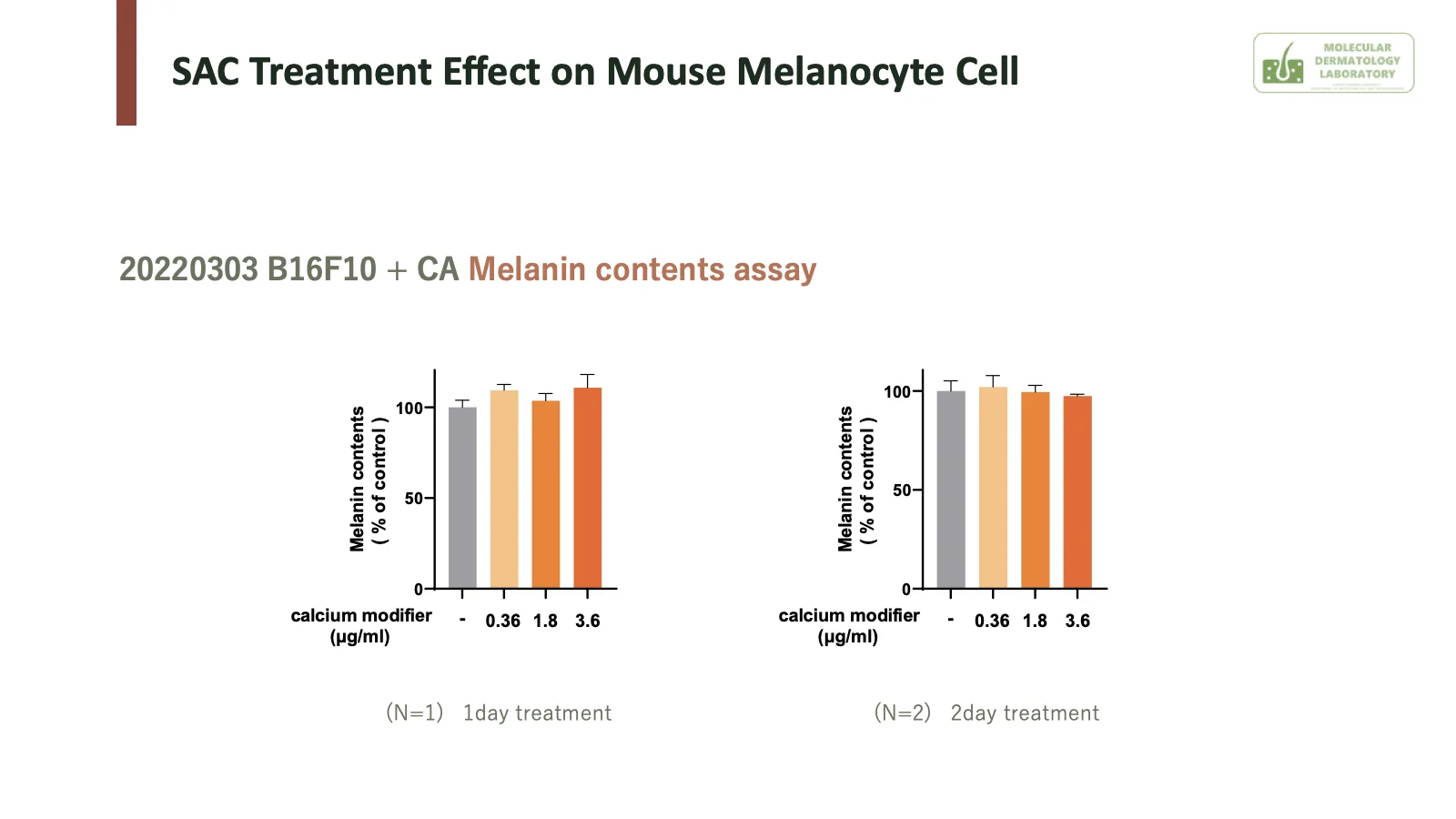
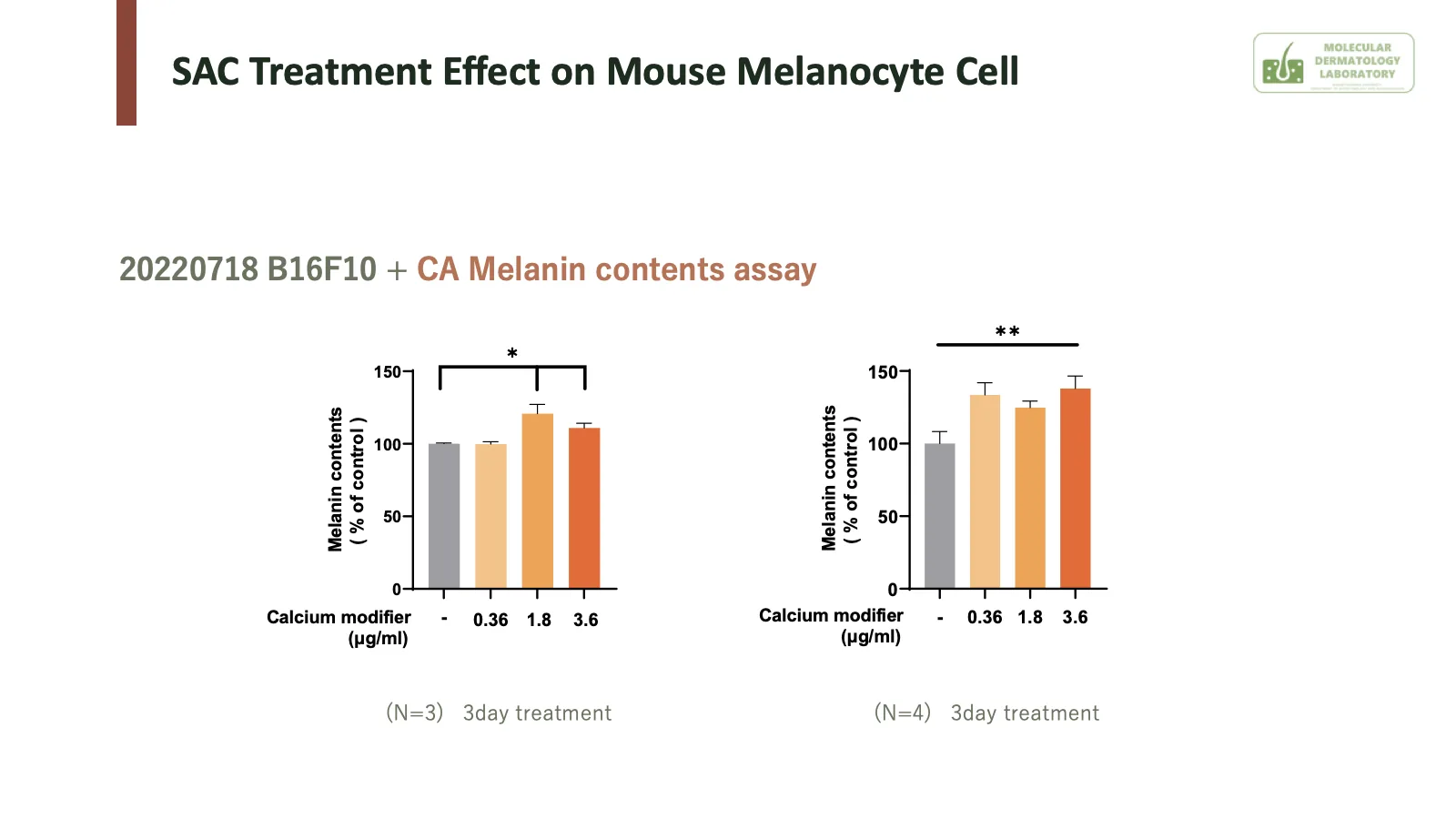
The University of Arkansas for Medical Sciences (UAMS) collaborated in evaluating the effect of AIC technology-applied cream on epithelial cells. The objective was to examine how AIC technology applied to a cream could influence epithelial cells. Trial programs included a wound-healing procedure with AIC cream and evaluation of AIC treatment on mouse melanocyte cells. Wrinkles increase with age as the epidermal layer becomes thinner and the outer surface of the skin loses thickness. Mara Natural’s AIC technology-applied skin cream was tested by the University of Arkansas for Medical Sciences research team using a mouse skin trial. The reported results showed increased epithelial cell thickness together with improved cell regeneration. The full research article was planned for publication following completion of the work.
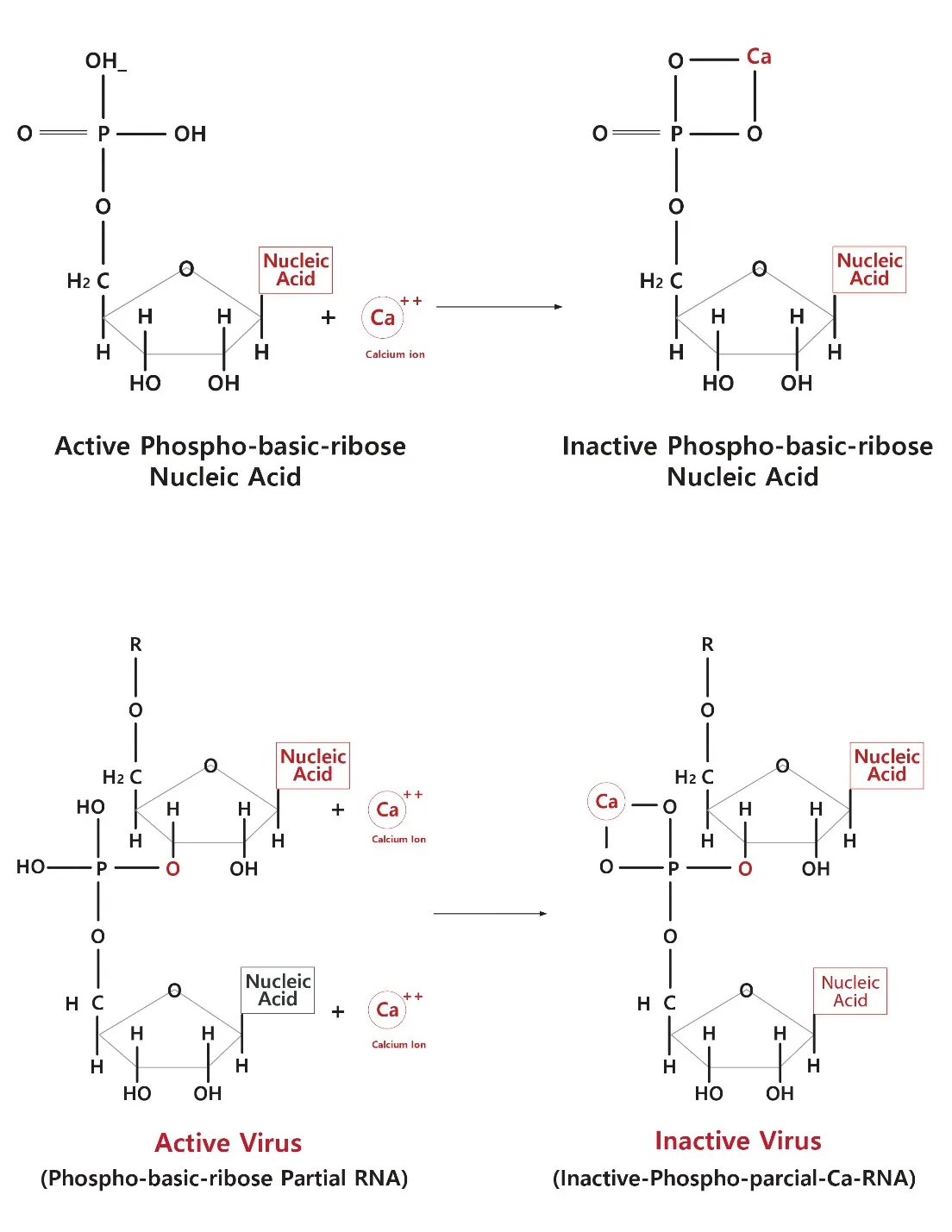
Viruses originate from RNAs, in which the sugar is ribose and phosphate groups participate in nucleotide ester bonding. When viruses are outside a cell or not in the process of infecting a cell, they exist as independent particles known as virions or virus particles. Viral replication depends on the presence of phosphates involved in the structure and replication of the viral genetic material. Viruses cannot independently produce energy for metabolism or synthesize proteins. To replicate, they depend on an infected host cell and use its existing biological machinery to form components including the capsid, the protective protein shell surrounding the virus.
5Cancers, Carcinoma and Sarcoma
AIC Therapy Without Any Negative Side Effects
Cell/DNA Mutation Cause of Calcium Homeostasis Collapse
According to Cancer Research UK, cancer is a leading cause of disease worldwide, with both external factors such as tobacco and chemicals and internal factors such as inherited or metabolic mutations contributing to its development. Prevention and early detection are emphasized because modern cancer treatments, including chemotherapy and radiation therapy, can be difficult to tolerate and may also damage normal growing cells. Otto Warburg’s work on cancer metabolism and more recent research examining the relationship between acidic pH and cancer are presented in relation to oxygen availability and the cellular environment. Mineral imbalance is described as affecting body fluids and organs, while calcium is involved in many biological functions including cellular activity and DNA replication. Adequate calcium and mineral balance are therefore presented as important factors in maintaining normal physiological function. AIC calcium is proposed to help increase calcium availability and support calcium-wave signaling so that normal body mechanisms can function properly and maintain balance. The work described here is preclinical and exploratory. Such findings are hypothesis-generating and do not establish that AIC treats, prevents, or reverses any disease in humans.
6Reflections from AACR 2025: AIC Calcium Gains International Attention in the Fight Against Myeloma
Conference Observations
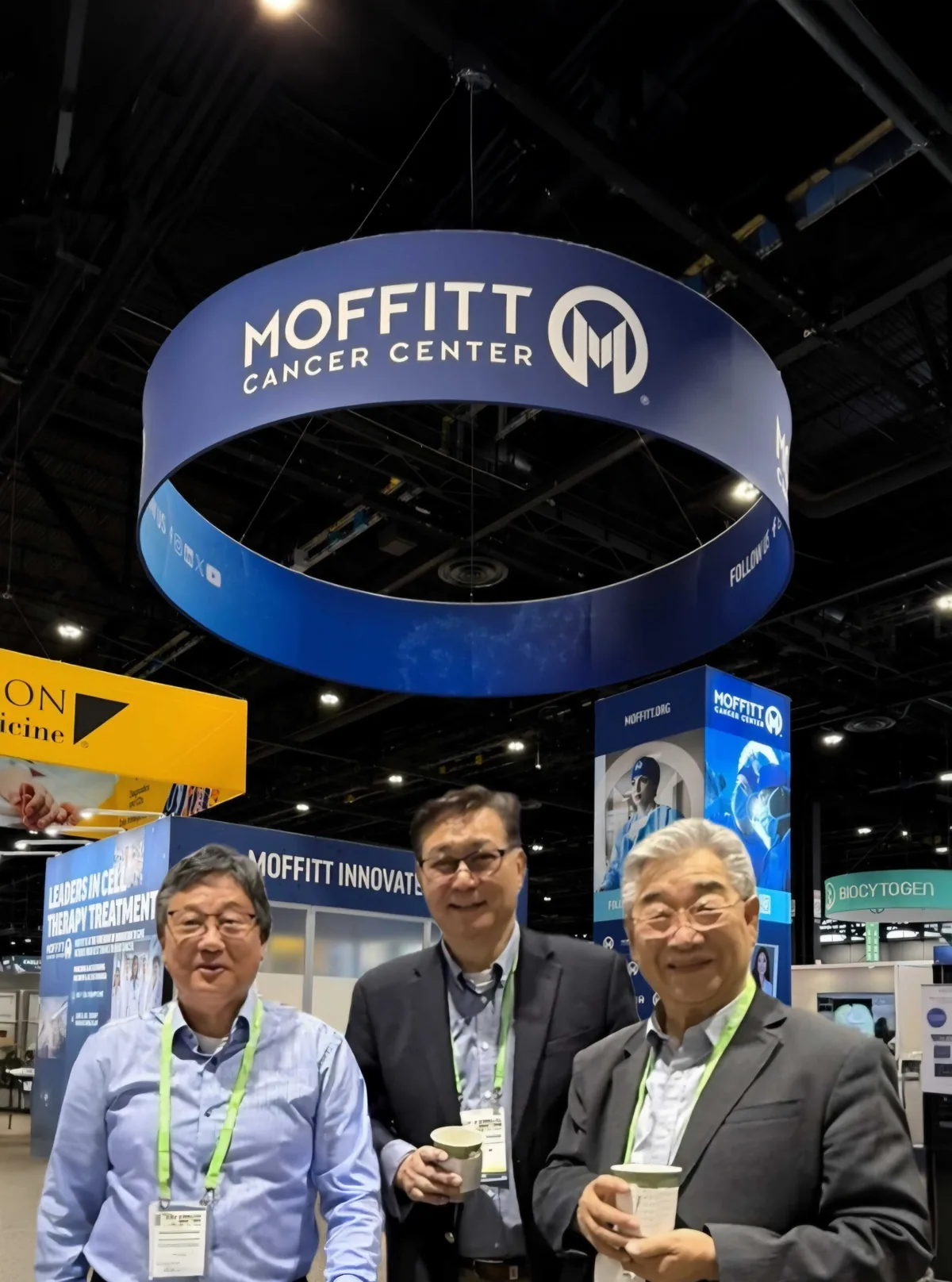
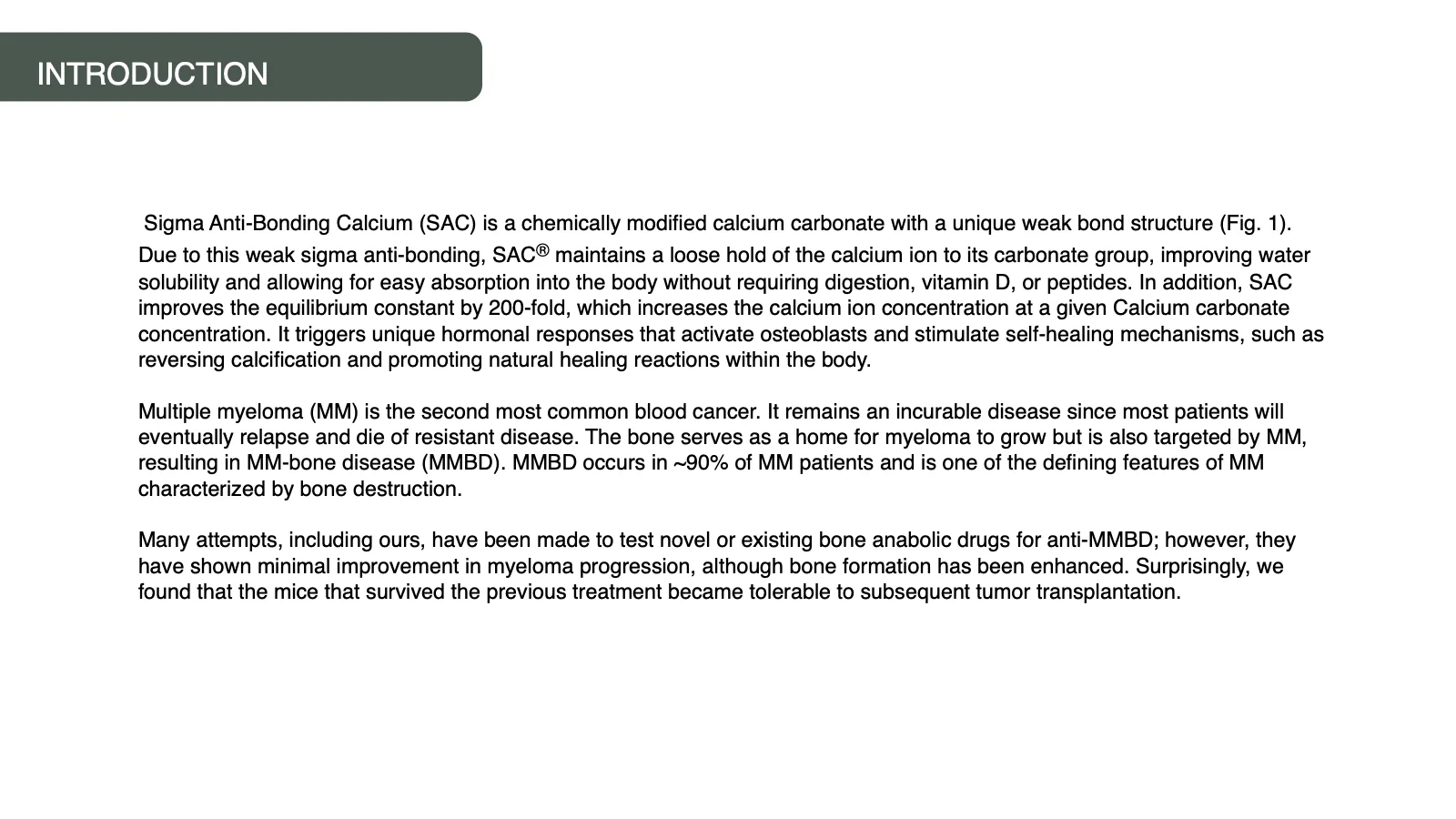
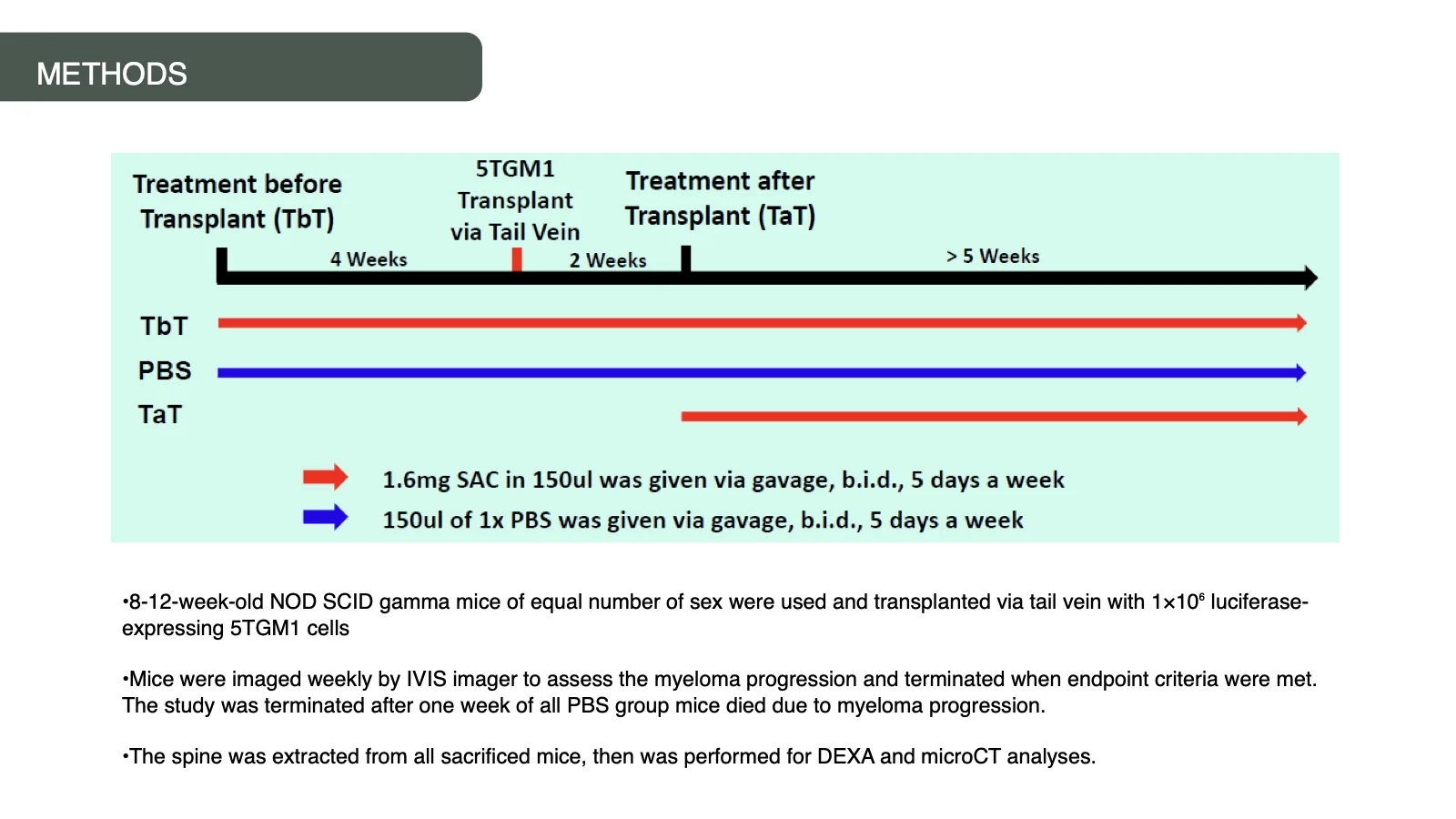
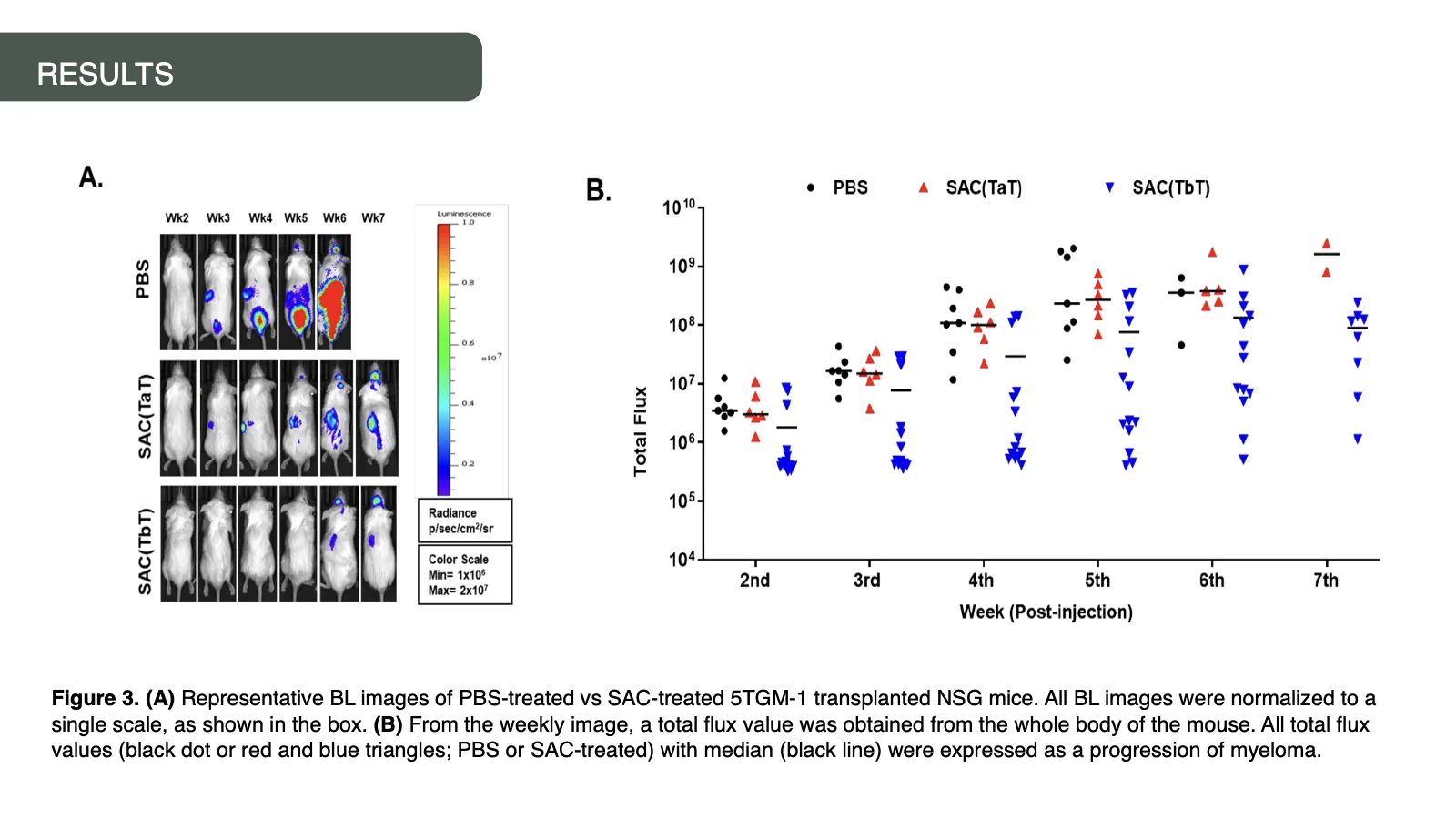
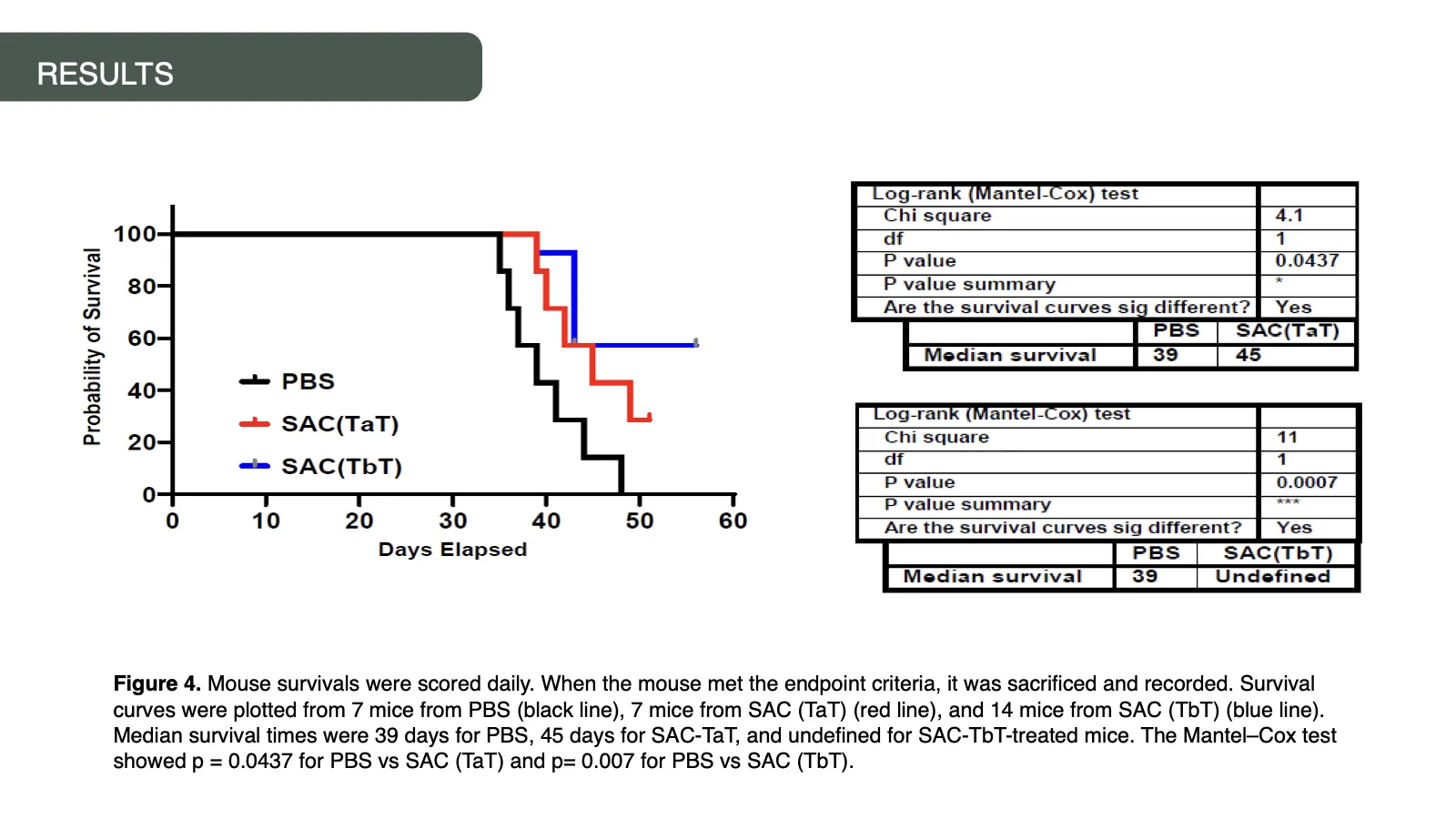
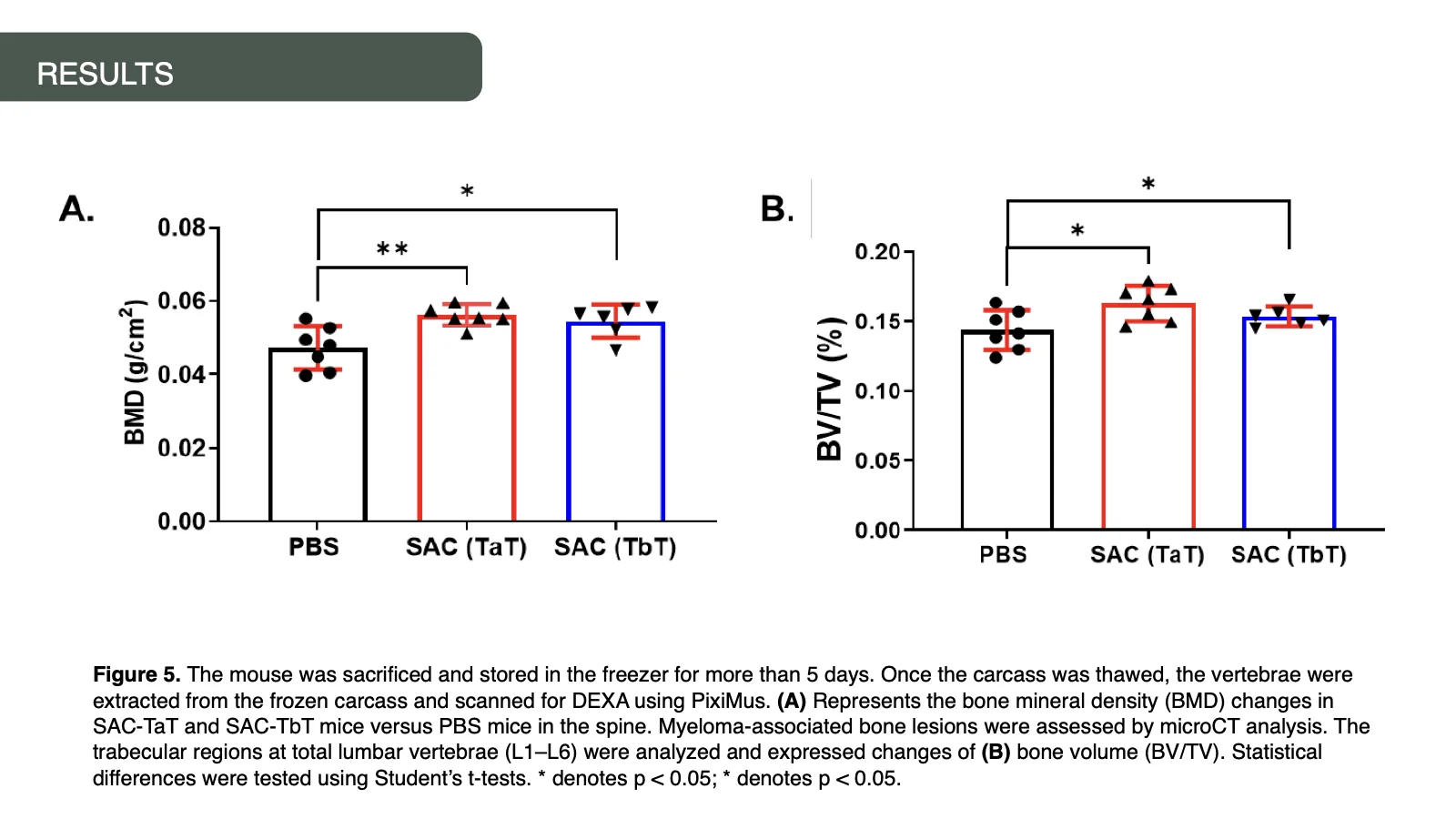
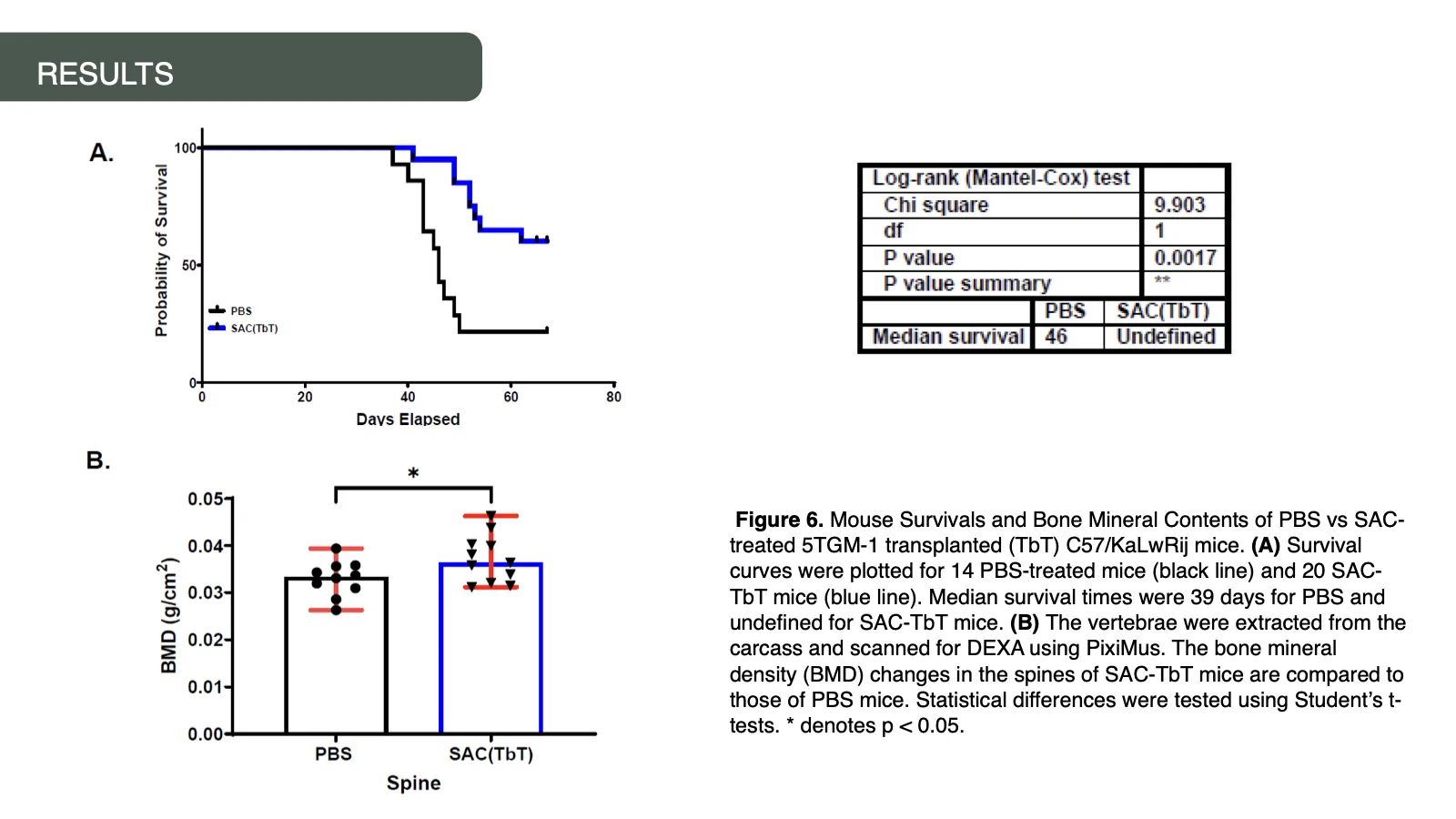
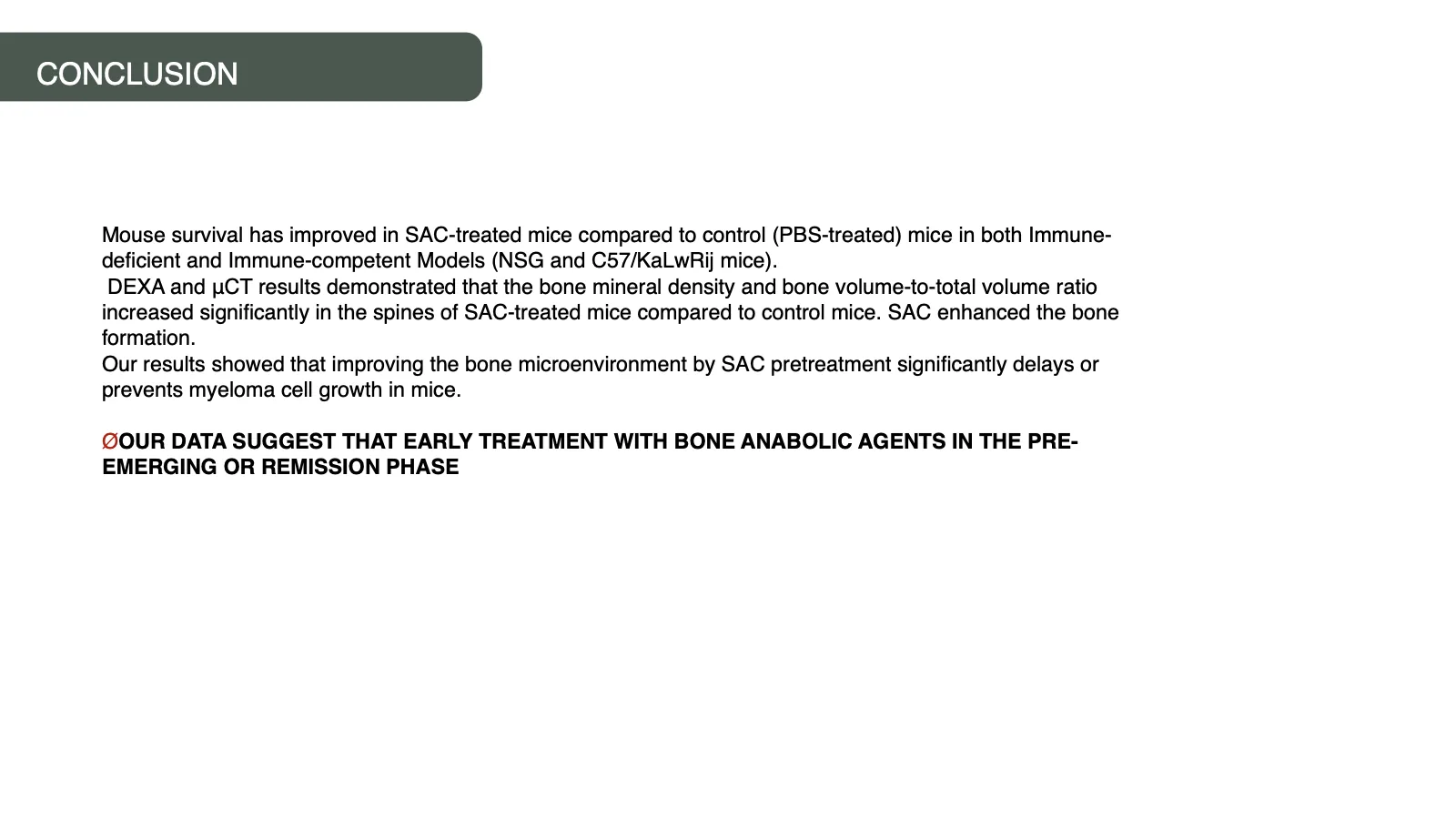
The 2025 AACR Meeting in Chicago brought together more than 20,000 attendees, including hundreds of cancer experts from South Korea, with more than 5,000 research presentations covering cancer diagnostics, treatments, and anticancer drugs. Despite more than a century of cancer research and major advances from cytotoxic drugs to immune checkpoint inhibitors, late-stage cancer and treatment resistance remain significant challenges. Discussions at the meeting also raised the possibility of controlling cancer while reducing excessive treatment-related toxicity, together with mathematical approaches to analyzing cancer-cell growth, drug exposure, and mortality. An oncologist from MD Anderson Cancer Center who visited the booth expressed strong interest in AIC calcium, while the University of Arkansas presented research on its effects in multiple myeloma. In the reported experiment, mice received AIC either before or after transplantation of 5TGM1 myeloma cells, while control mice received PBS. Median survival was 39 days in PBS-treated mice and 45 days in the post-treatment group, while more than 60% of mice receiving AIC pretreatment survived until the end of the study, with increased bone mineral measurements also observed. The findings suggest that improving the bone microenvironment with AIC pretreatment may help prevent myeloma-cell engraftment or growth and may have potential relevance during pre-emerging or remission phases.
7Evaluation and Comparison of AIC in the Progression of Multiple Myeloma
Collaborators: University of Arkansas for Medical Sciences (UAMS)
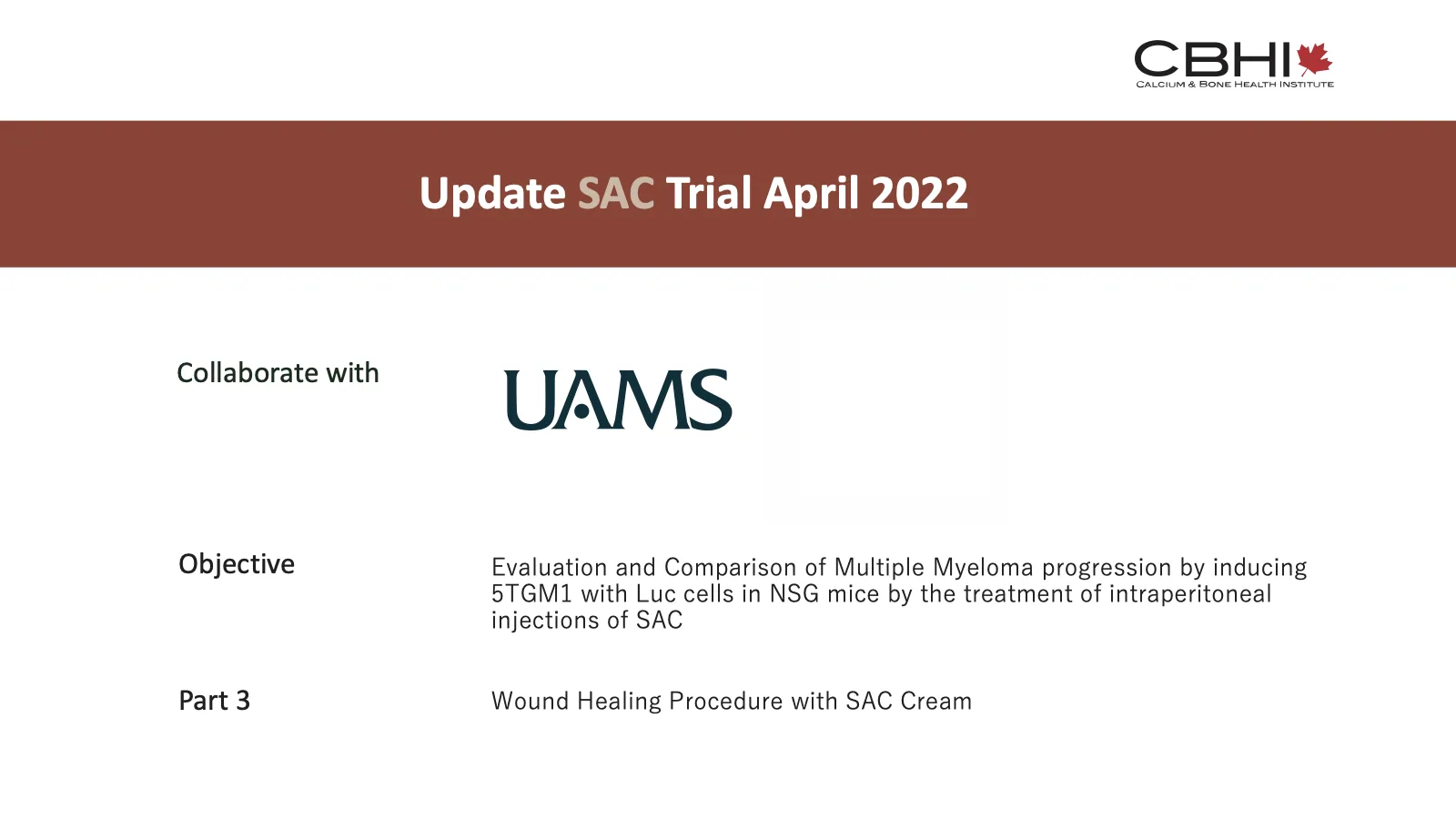
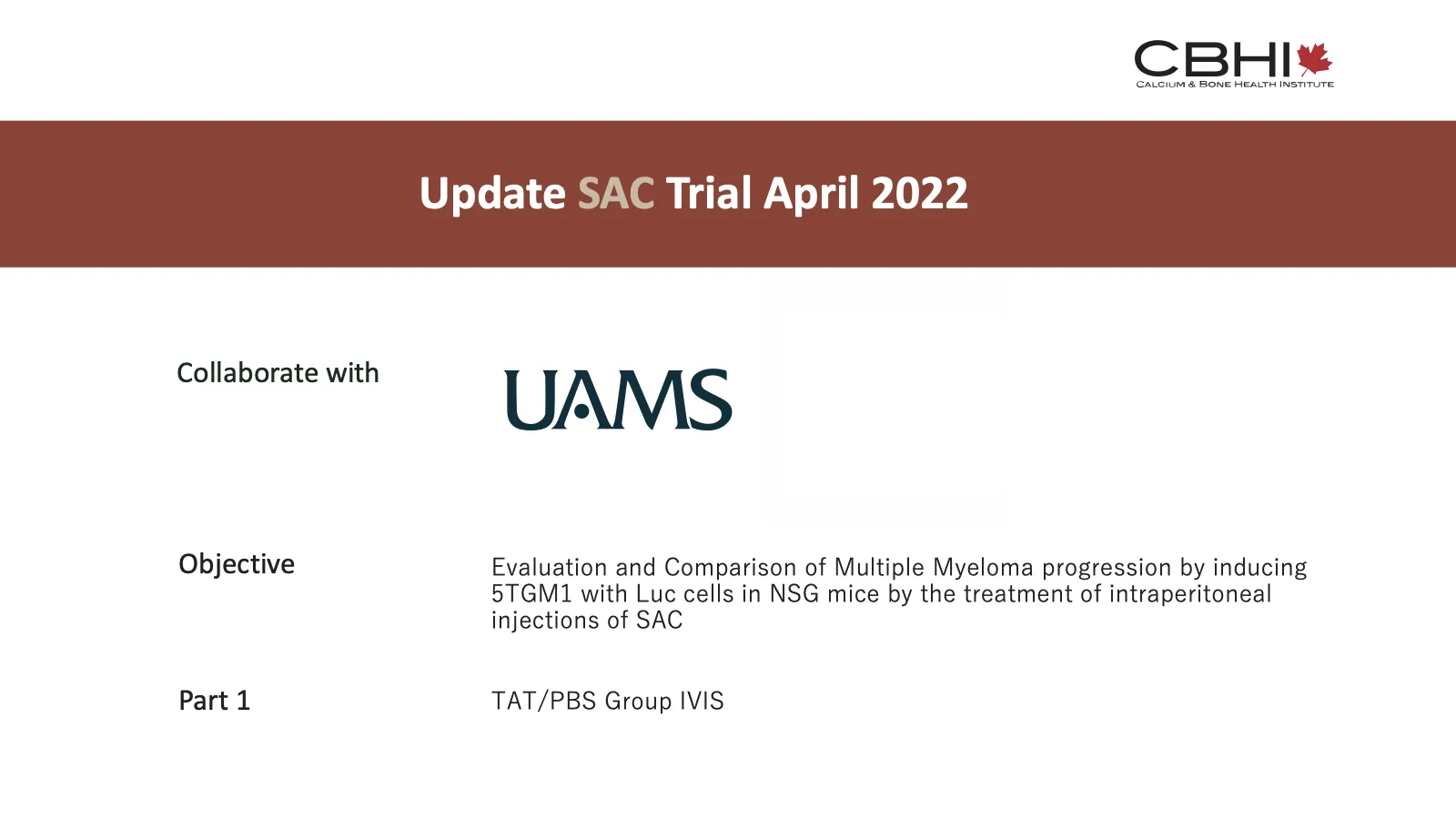
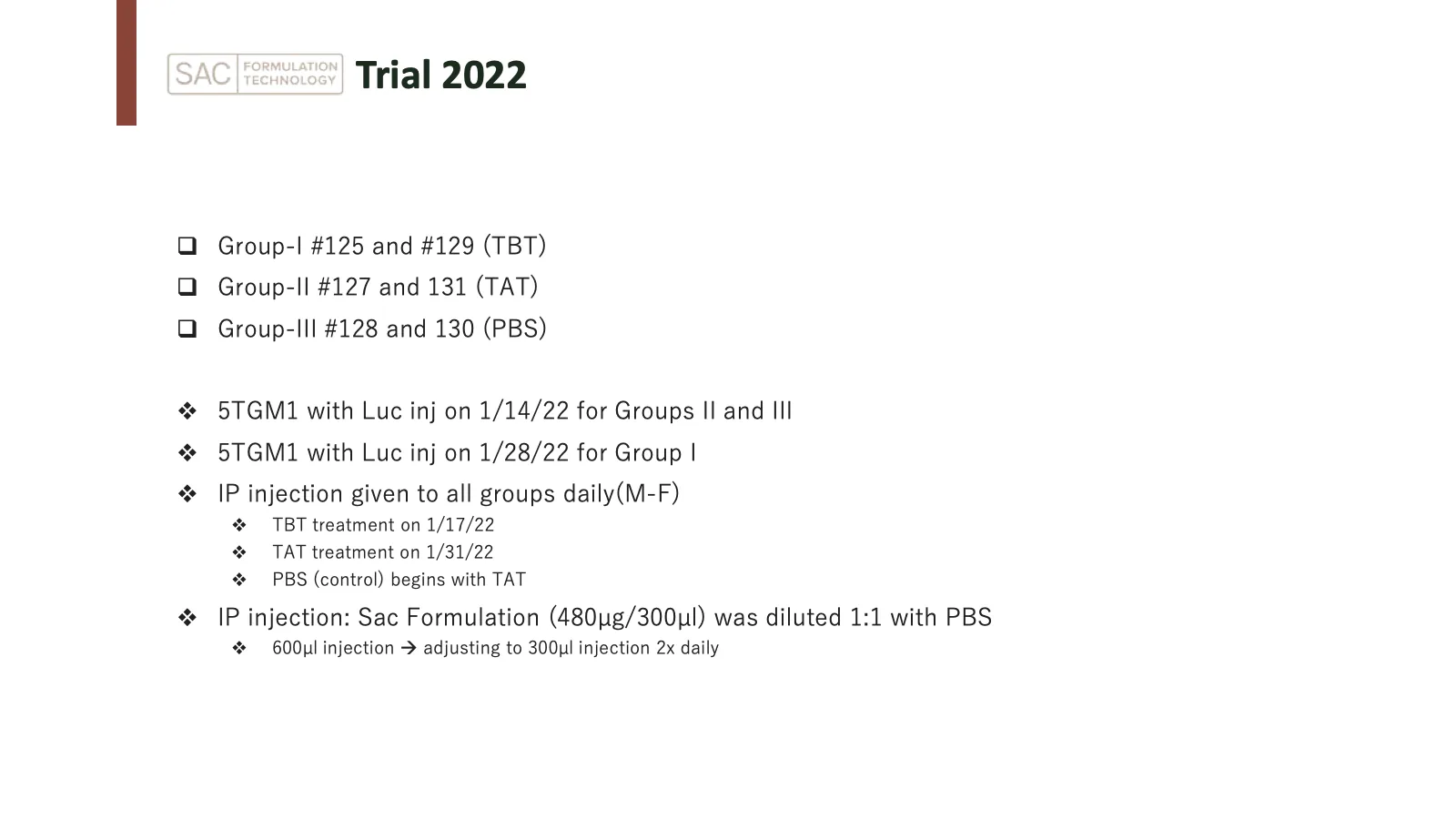
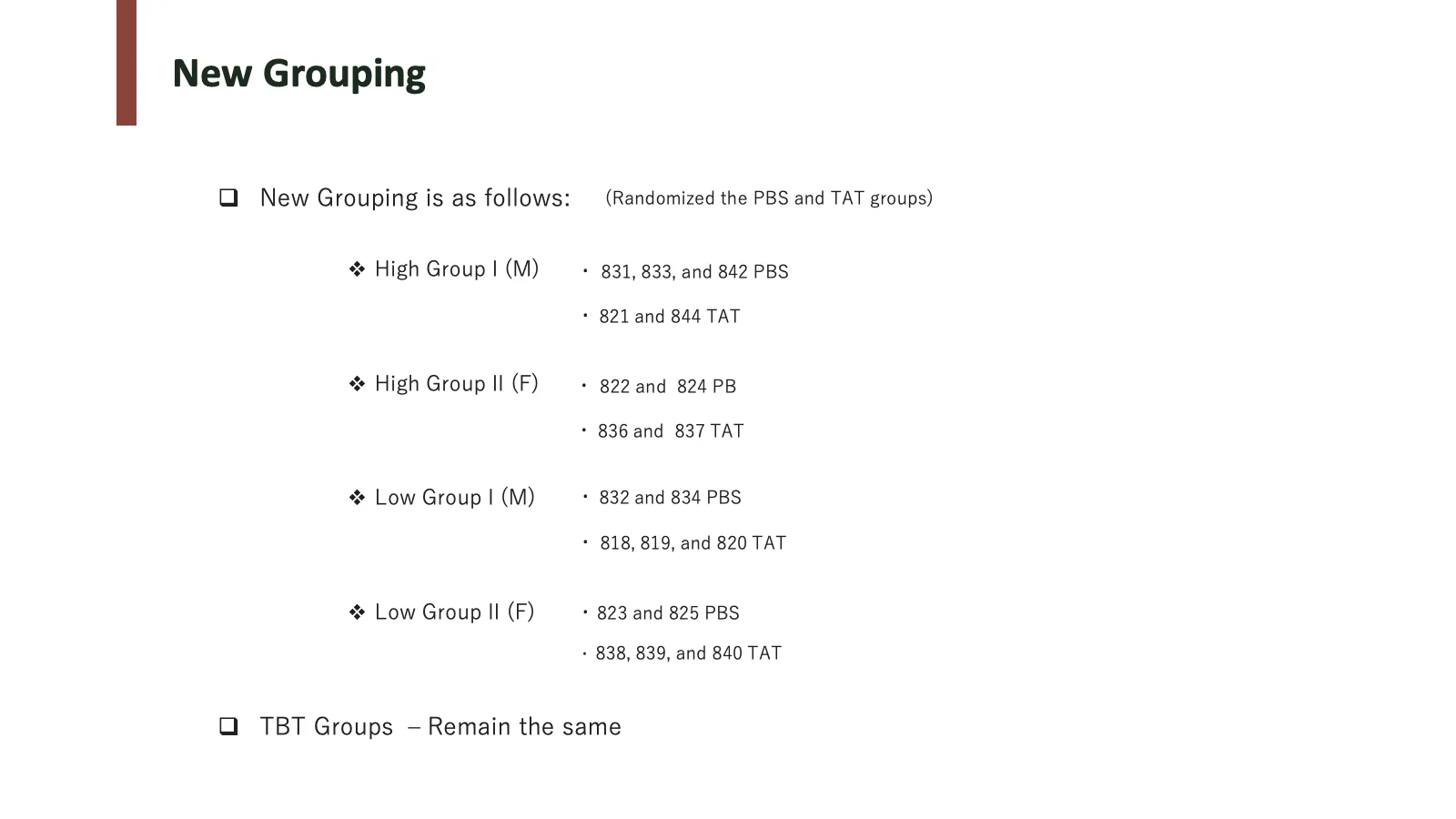
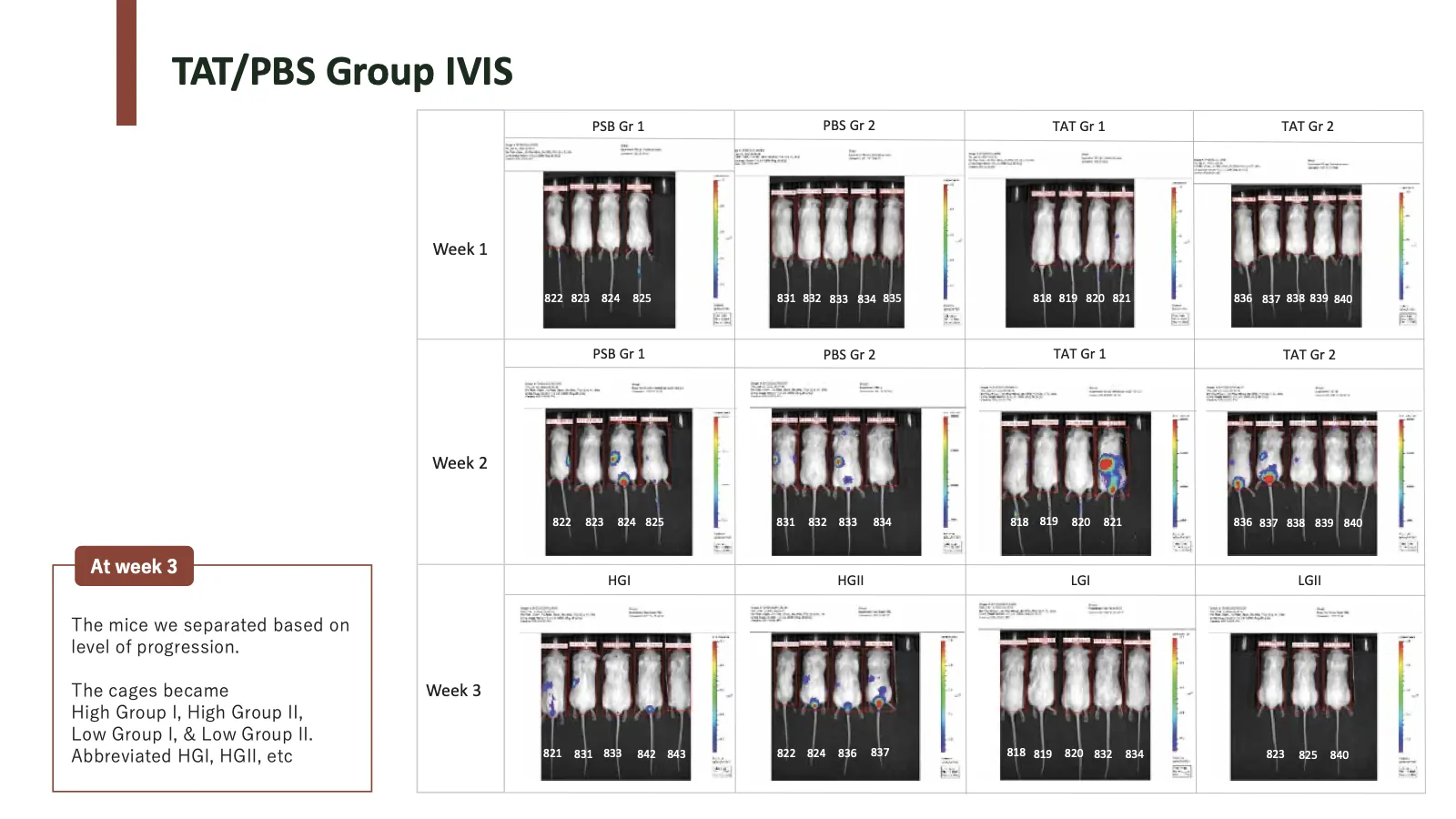
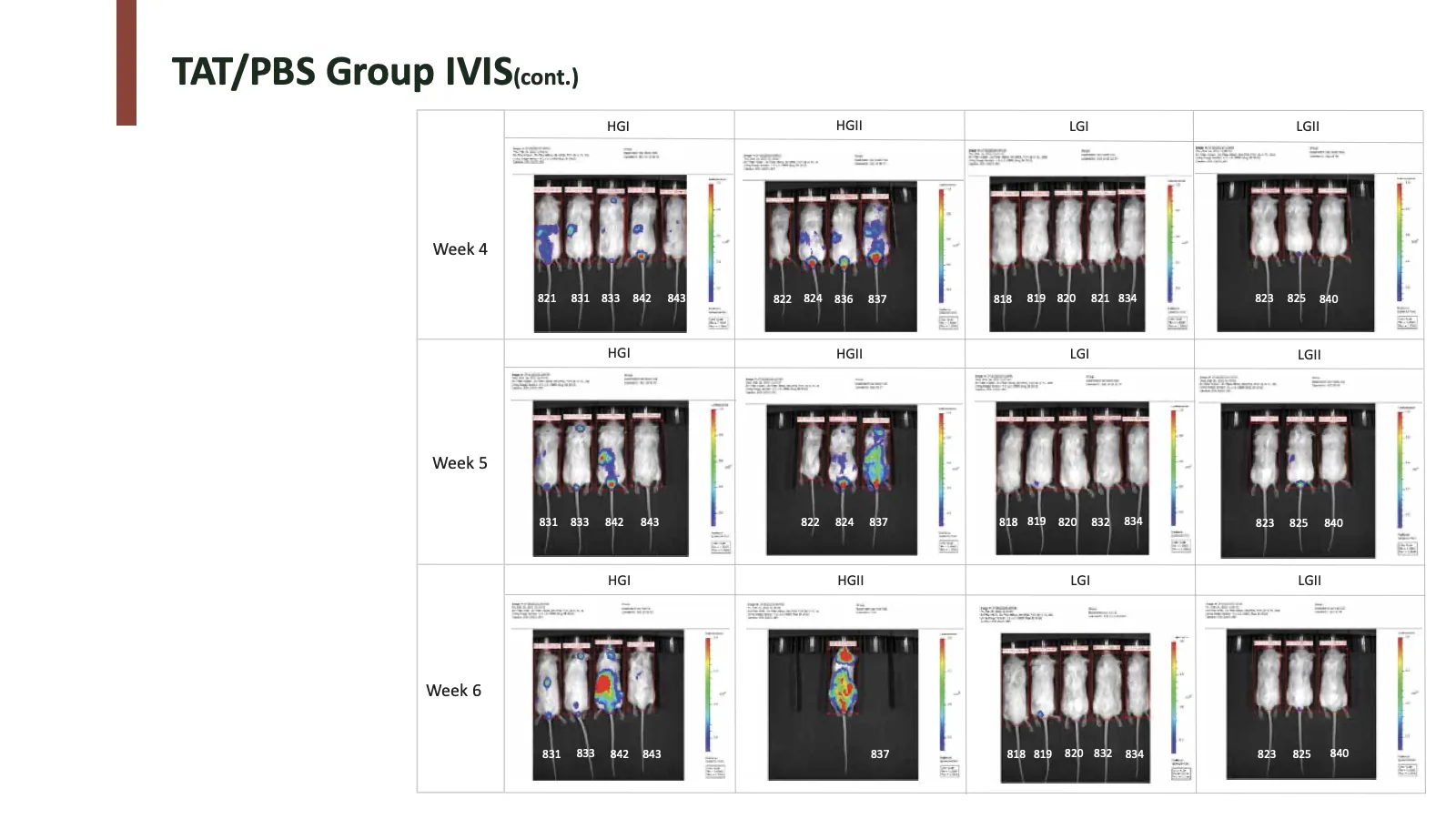
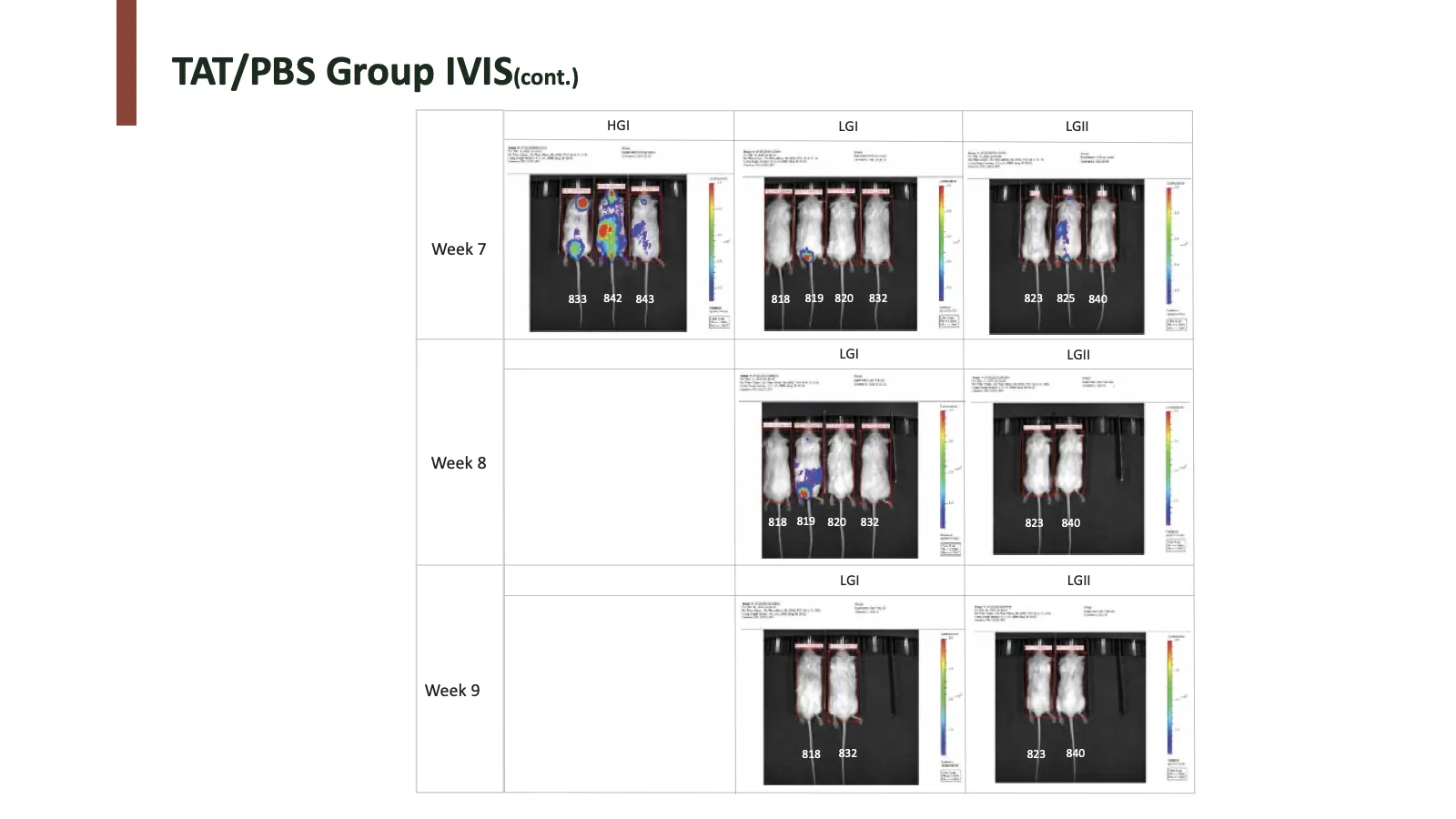
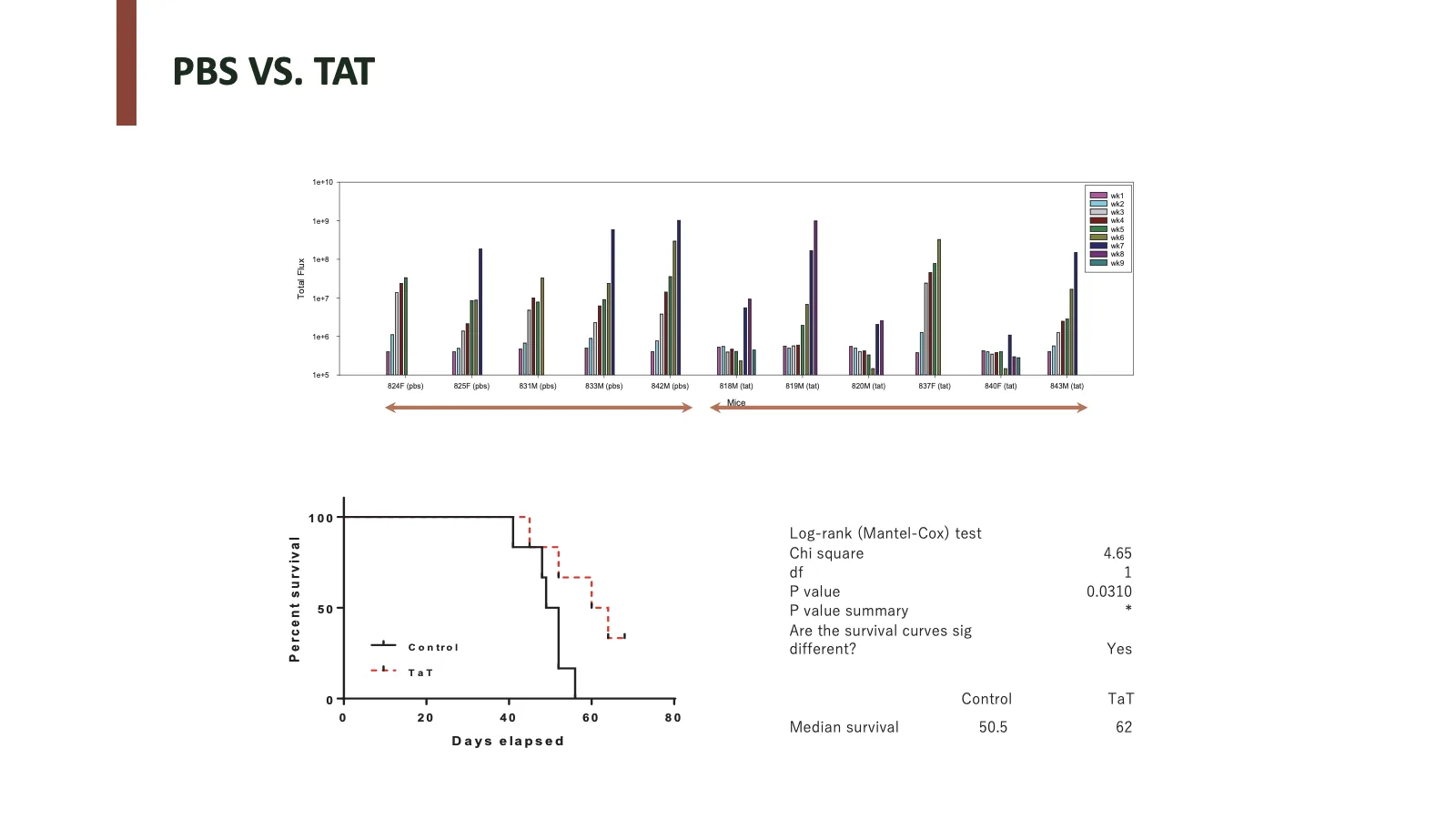
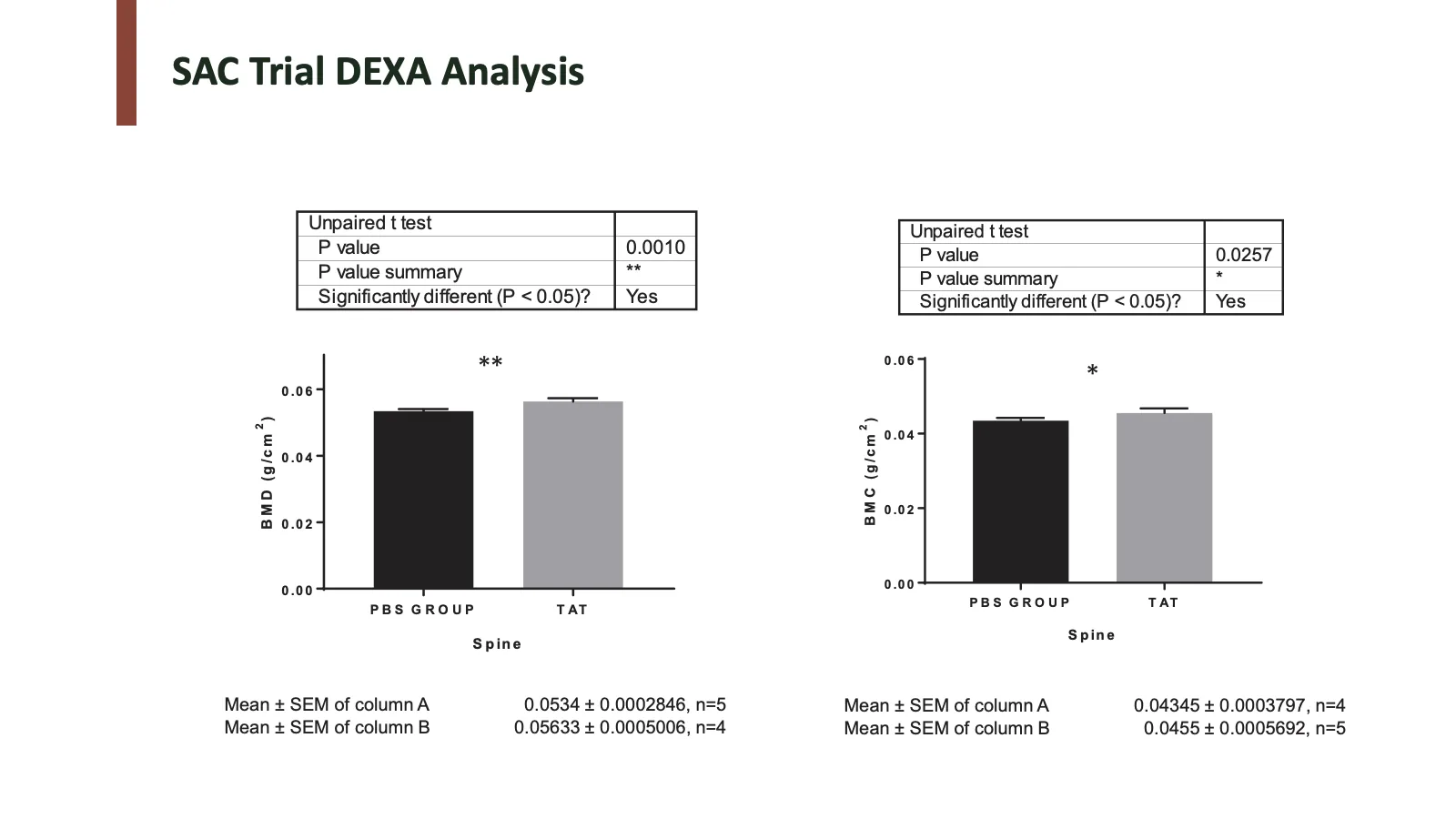
The University of Arkansas for Medical Sciences (UAMS) collaborated in evaluating and comparing multiple myeloma progression using 5TGM1 luciferase-expressing cells in NSG mice treated with AIC. Trial programs included TAT/PBS groups, IVIS analysis, AIC treatment, and DEXA analysis. Bone health and bone mineral density are particularly important in multiple myeloma because malignant plasma cells develop within the bone marrow and the disease is strongly associated with bone destruction. Osteoclast activity is increased in multiple myeloma, while osteoblast activity is reduced, suggesting that regulation of these cells may provide a potential therapeutic approach. The UAMS Multiple Myeloma research team has studied the effects of AIC in mouse models since May 2019. Results reported in January 2022 showed that the lifespan of mice with multiple myeloma increased from approximately 50 days to 62 days following AIC IV treatment, which was interpreted as a potential lifespan increase of 20% or more when compared proportionally with humans. An additional eight-week trial showed an approximately 5% increase in bone mineral density, supporting the proposed relationship between bone health and lifespan.
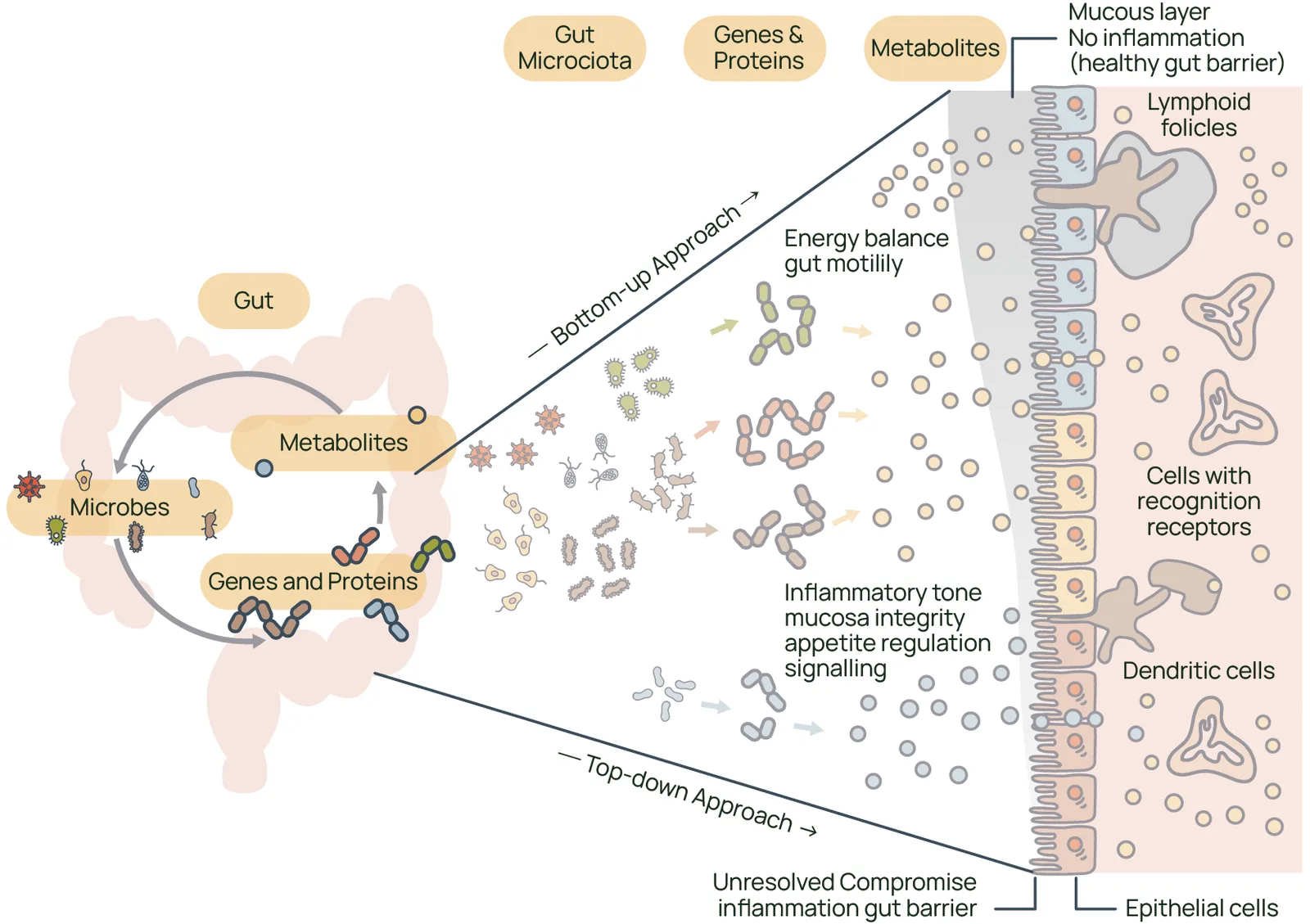
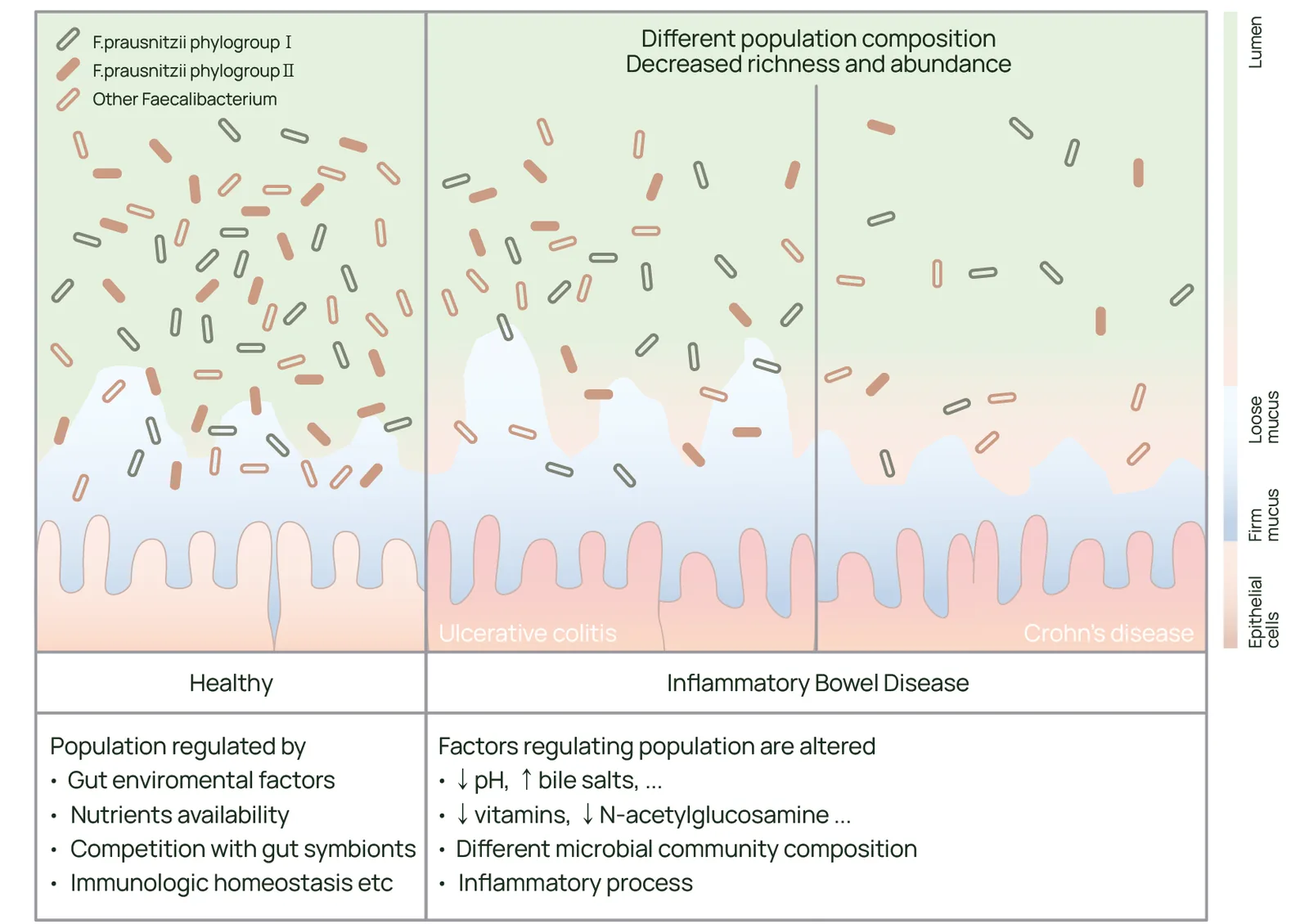
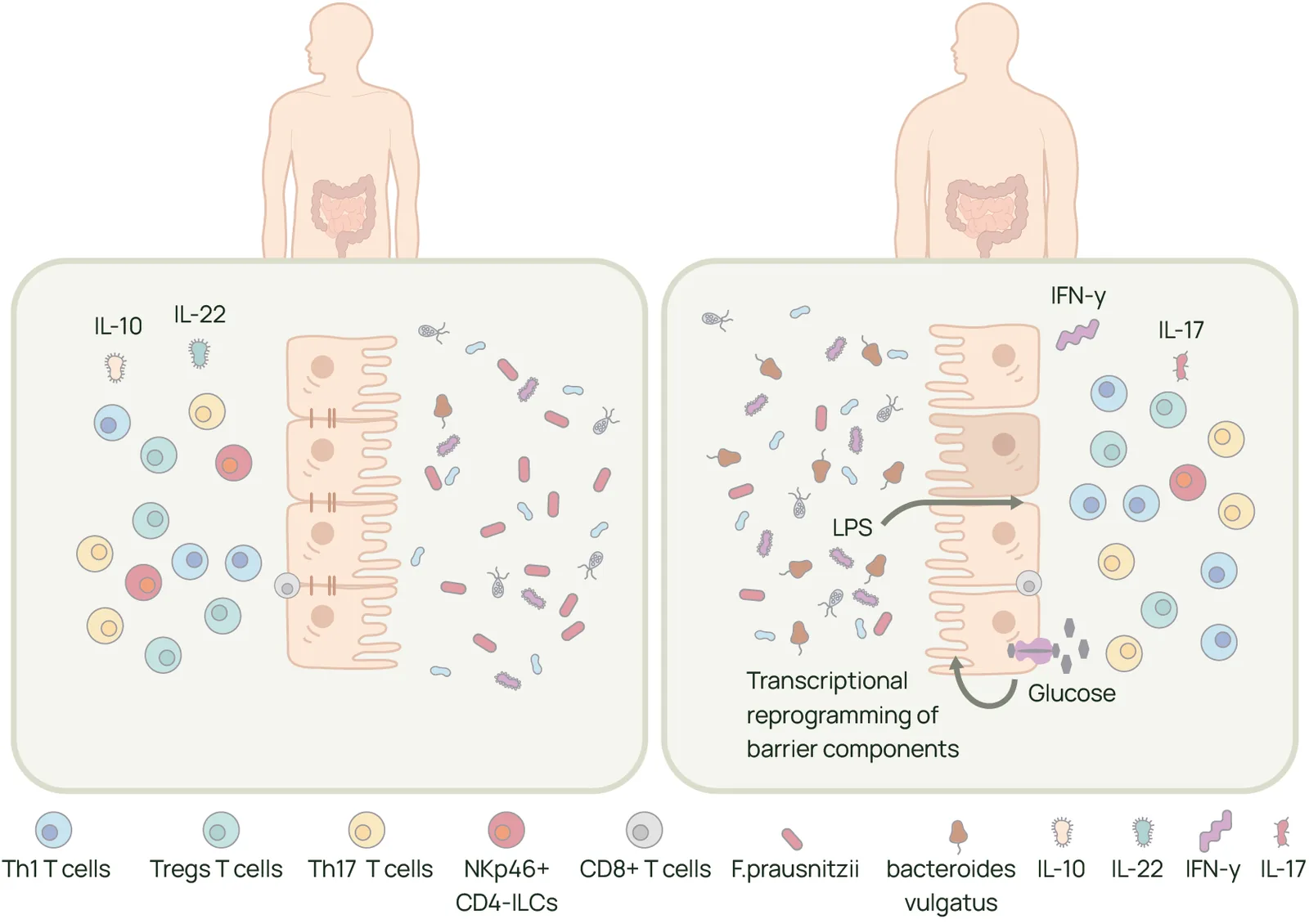
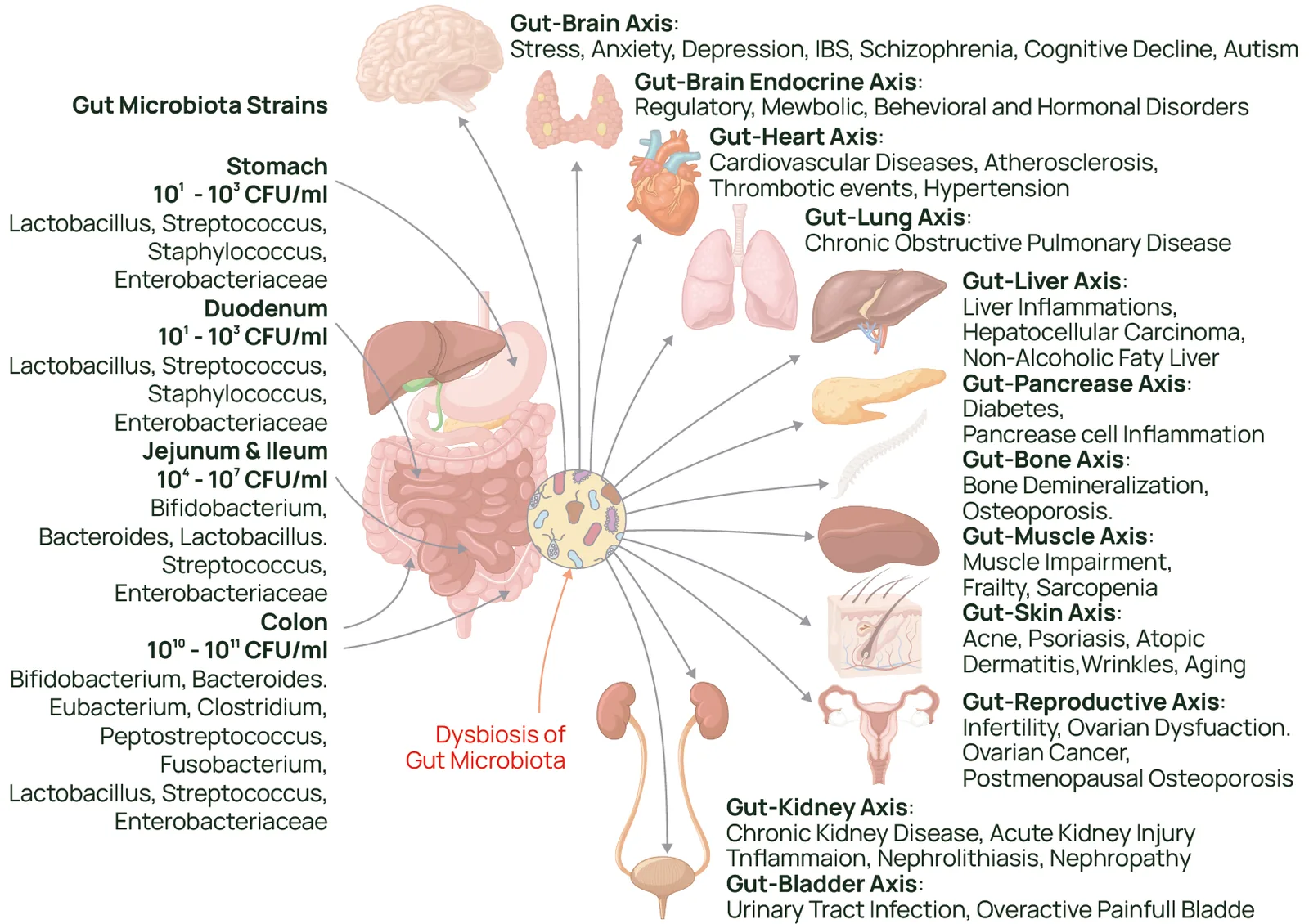
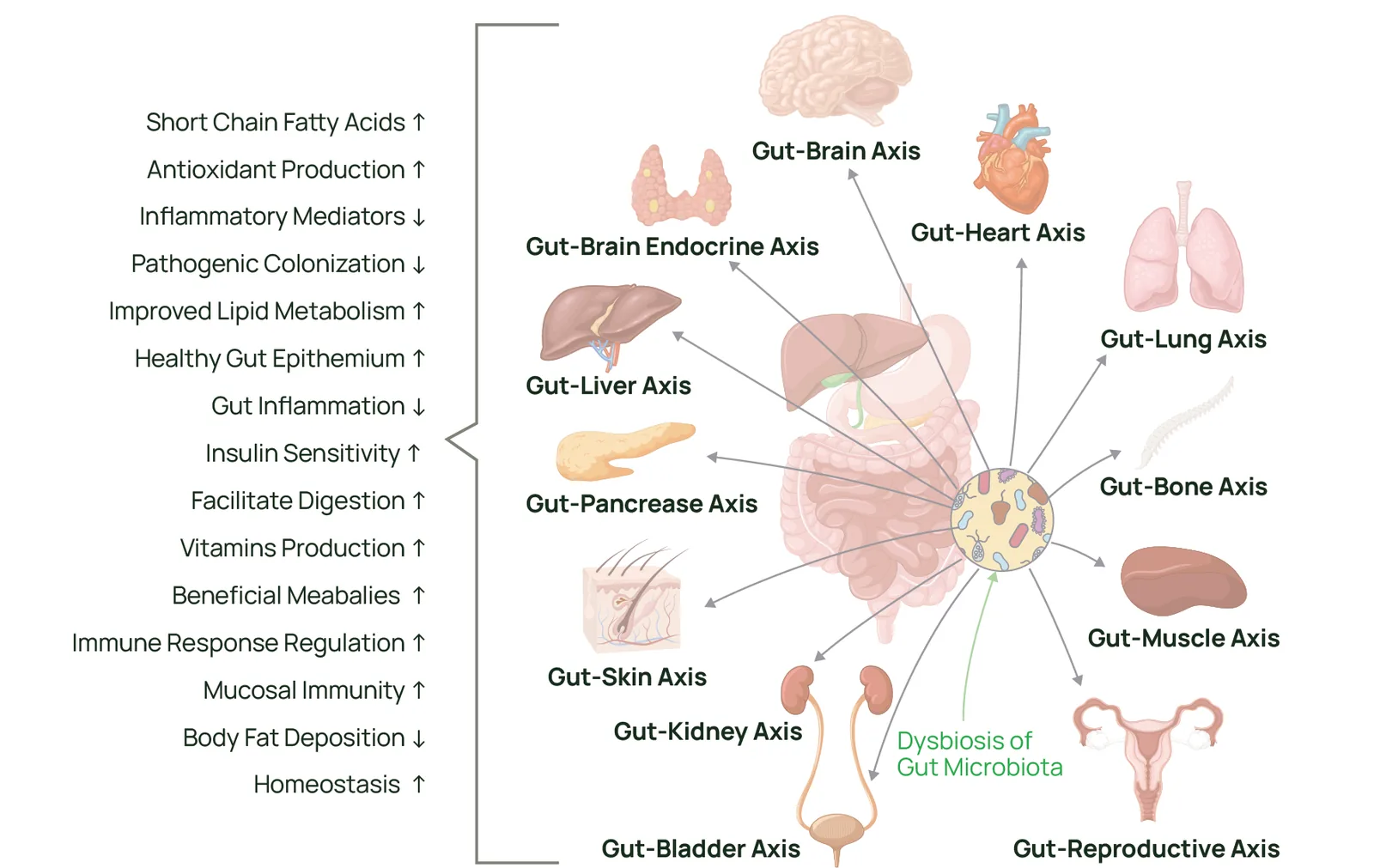
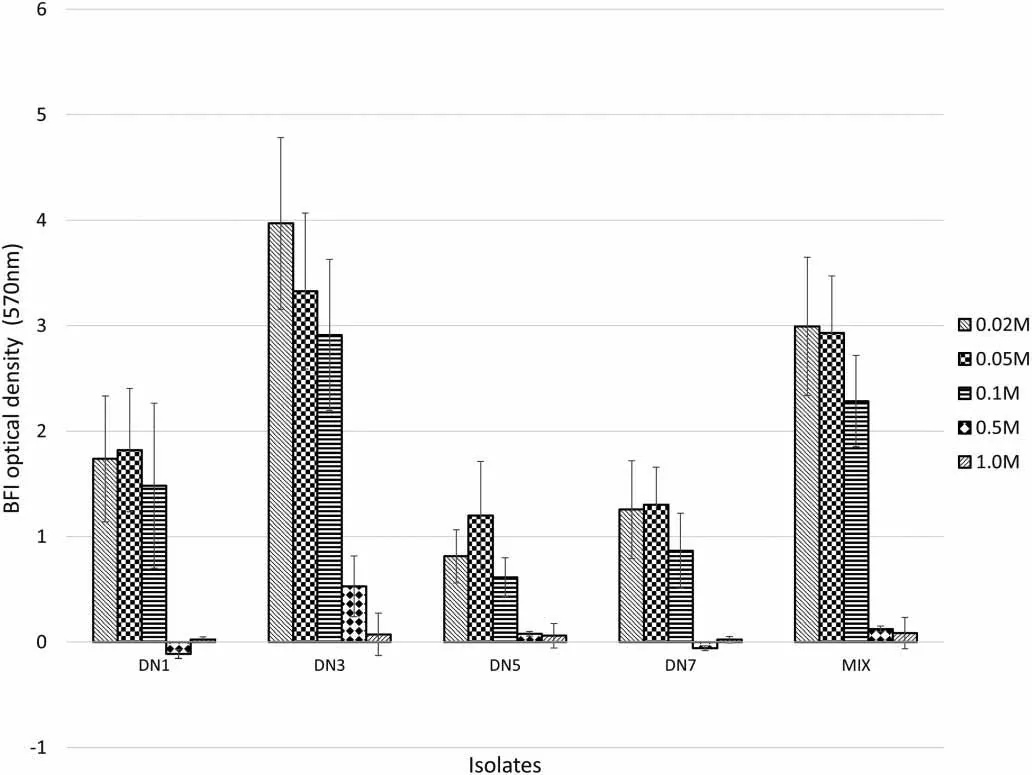
Cancer is cellular, but microbes are also closely involved in many cancers, influencing cancer risk, immune responses, disease progression, tumor control, and response to treatment. The intestinal microbiome contains a vast number of microorganisms and microbial genes, and these organisms produce chemicals that can positively or negatively influence immune function. Production of short-chain fatty acids (SCFAs) by intestinal microorganisms is considered particularly important for maintaining a healthy intestinal environment and normal immune activity. Gut bacteria can also chemically modify many orally administered drugs, linking individual differences in the microbiome with differences in drug metabolism and therapeutic response. Calcium has been studied in relation to bacterial biofilm formation, with research showing that different calcium concentrations can alter bacterial growth and biofilm development. Based on these concepts, Bio-Sacal was developed by coating AIC calcium with fiber so that ionic calcium could reach farther into the large intestine and support SCFA-producing bacteria such as Akkermansia muciniphila, Bifidobacteria, Christensenellaceae, and Faecalibacterium. The research led to the launch of Bio-Sacal in February 2023. The work described here is preclinical and exploratory. Such findings are hypothesis-generating and do not establish that AIC treats, prevents, or reverses any disease in humans.
9Extracellular Matrix (ECM) and Cancer Care Therapy
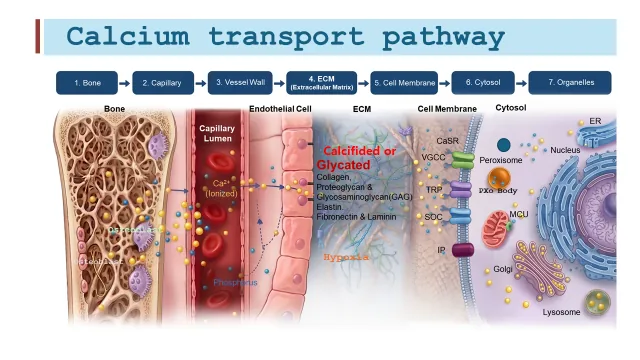
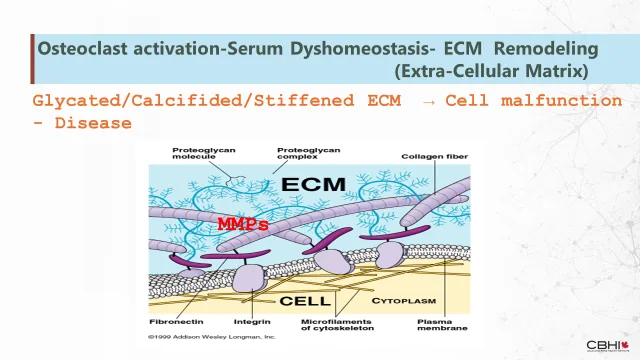
Glycation of the extracellular matrix (ECM) is not merely associated with tissue hardening but is closely linked to cancer growth, invasion, and drug resistance. Accumulation of advanced glycation end-products (AGEs) can alter the tumor microenvironment and potentially influence the effectiveness of cytotoxic anticancer drugs, targeted therapies, and immune checkpoint inhibitors. ECM remodeling, fibrosis, tissue stiffness, and AGE accumulation develop over years or decades in human cancers under the influence of aging, chronic inflammation, metabolic dysregulation, oxidative stress, and glycation. In contrast, the ECM in many experimental xenograft and genetically engineered mouse models develops over a much shorter period and generally shows less age-related glycation and matrix remodeling. These differences may contribute to the animal-to-clinic translational gap, making models that incorporate aging, diabetes, or spontaneously arising tumors potentially more relevant for evaluating ECM-targeted approaches. Based on this rationale, CBHI has conducted long-term retrospective analyses and exploratory studies of AIC and AIC-SG in combination with conventional anticancer treatments. The observations suggest that combining AIC- or AIC-SG-based approaches with chemotherapy, targeted therapy, or immune checkpoint inhibitors may warrant further investigation through prospective mechanistic studies and controlled clinical trials.
10AIC Research in Oral Tissue and ECM Homeostasis
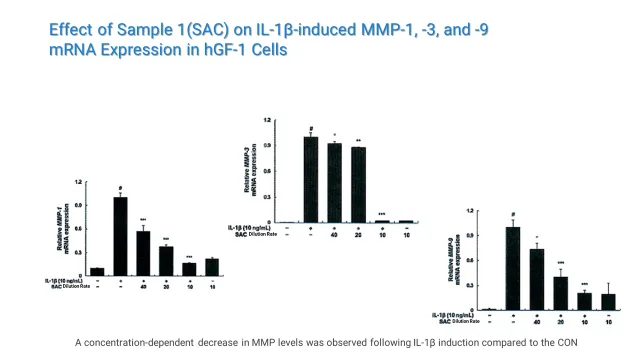
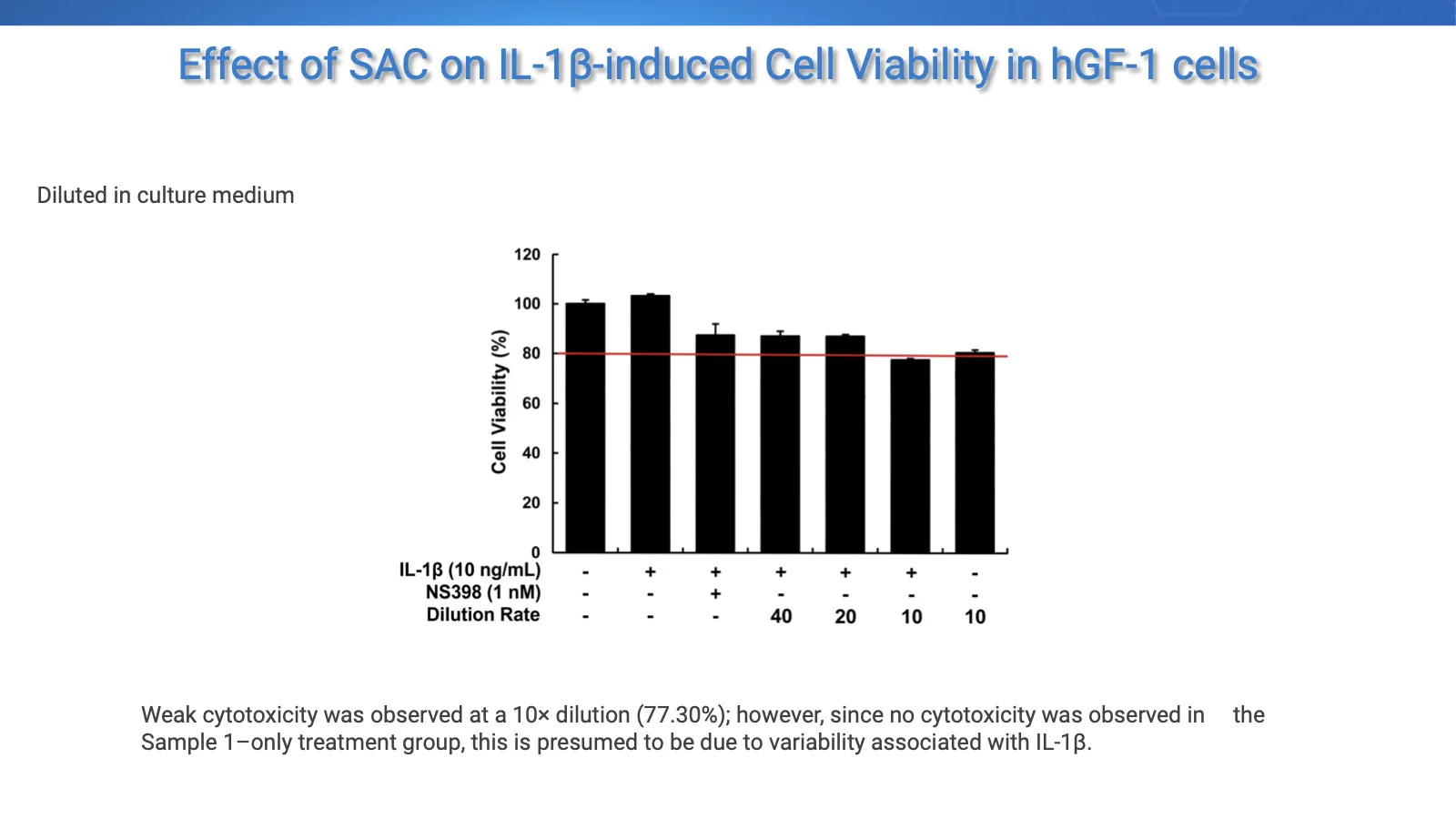
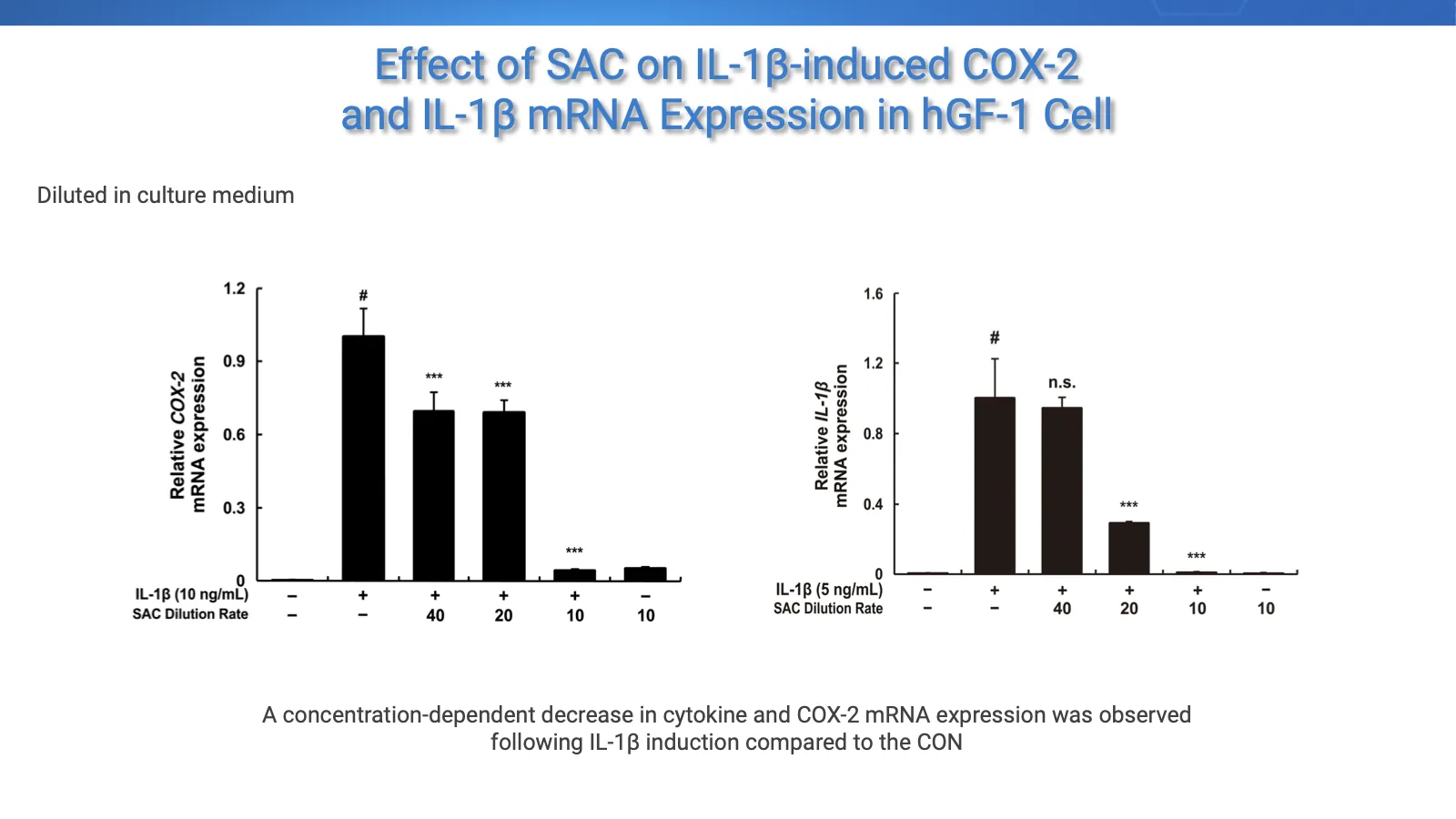
AIC Research in Oral Tissue and ECM Homeostasis presents experimental research conducted by the Department of Pharmaceutical Biochemistry at Kyung Hee University on cellular models related to oral tissue health and extracellular matrix regulation. AIC was evaluated for its influence on inflammatory responses in macrophages and human gingival fibroblasts under stimulated conditions. Inflammatory biomarkers including IL-6, TNF-α, IL-1β, and COX-2 were analyzed together with matrix metalloproteinases MMP-1, MMP-3, and MMP-9. These MMPs play important roles in extracellular matrix remodeling and tissue homeostasis. Across multiple experimental models, AIC demonstrated concentration-dependent modulation of inflammatory mediators and ECM-related factors while maintaining favorable cellular viability under most test conditions. The findings provide scientific insight into the potential relationship between AIC inflammatory regulation and the maintenance of healthy oral tissue microenvironments.
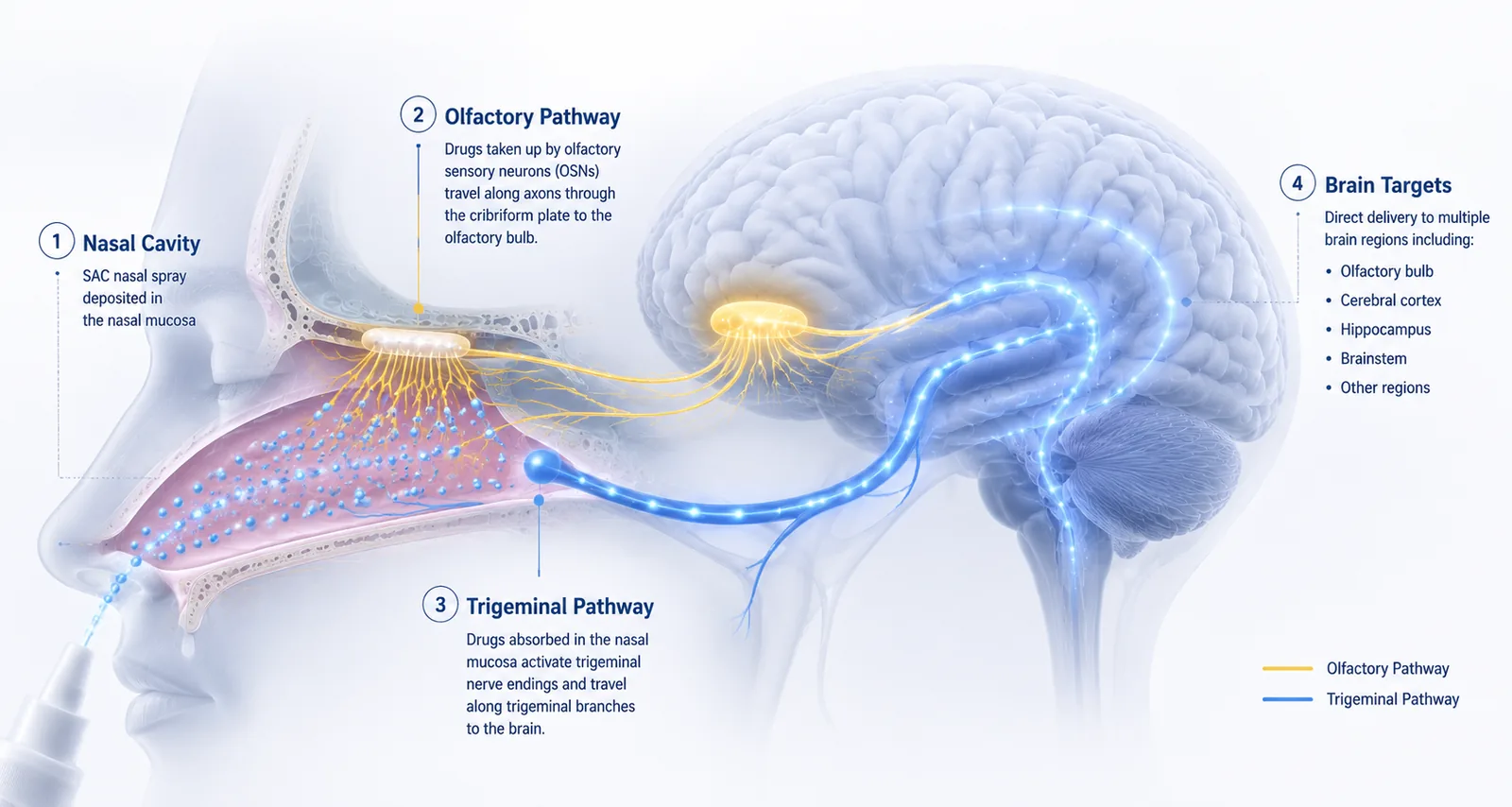
The development of therapies for central nervous system disorders remains challenging because most drugs cannot efficiently cross the blood-brain barrier, which protects the brain but also limits therapeutic delivery. Intranasal drug delivery offers a non-invasive route that may bypass the blood-brain barrier through olfactory sensory neurons, trigeminal nerve pathways, sustentacular and basal cells, and nasal epithelial cells. Drug molecules can reach the brain through intraneuronal and extraneuronal transport as well as perineural, perivascular, lymphatic, and glymphatic pathways. Current development includes intranasal approaches for Alzheimer’s disease, Parkinson’s disease, brain tumors, peptides, proteins, gene therapies, and other neurological disorders. Lipid nanoparticles, polymeric nanoparticles, and exosome-based systems are also being developed to improve stability, mucosal penetration, residence time, and delivery to the central nervous system. If AIC-derived calcium ions can be efficiently delivered through intranasal pathways, they may potentially influence neuronal calcium homeostasis, astrocyte and microglial inflammatory responses, IL-6, TNF-α, MMPs, CaSR signaling, mitochondrial function, and neuronal survival. These potential effects remain hypothetical until they are evaluated through cell culture studies, nasal and blood-brain barrier transport models, animal models, pharmacokinetic studies, and clinical investigations.
12Epigenetics and Calcium Ion: A New Frontier in Aging and Disease Prevention
Epigenetics refers to changes in gene expression without alteration of the DNA sequence and includes mechanisms such as DNA methylation, histone modification, and non-coding RNAs. These changes are influenced by environment, lifestyle, and aging and are closely associated with conditions such as aging, cancer, osteoporosis, and neurodegenerative disease. Aging is characterized by changes including global hypomethylation and local hypermethylation, which can contribute to genomic instability, inflammation, cellular dysfunction, and reduced tissue regeneration. Cancer also involves abnormal methylation patterns, including activation of oncogenes and silencing of tumor-suppressor genes, together with changes in DNMT and HDAC activity and oxidative stress. Calcium signaling through pathways such as NFAT and CaMK may indirectly influence epigenetic regulation, including DNA methylation. AIC calcium is proposed to enhance ionized calcium signaling and may therefore influence processes such as RUNX2-related bone regulation and other methylation-dependent pathways. Human and animal observations cited in the original material are presented as support for further investigation of AIC calcium in epigenetic regulation, bone health, aging, and disease prevention.
These statements have not been evaluated by the Food and Drug Administration. Antiorbital Ionic Calcium is not intended to diagnose, treat, cure, or prevent any disease. Research is ongoing and outcomes vary.