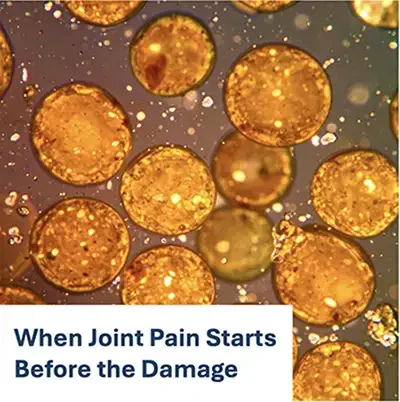
This newsletter explores how joint pain can begin at the cellular level through calcium misplacement, before inflammation or structural damage is ever visible.
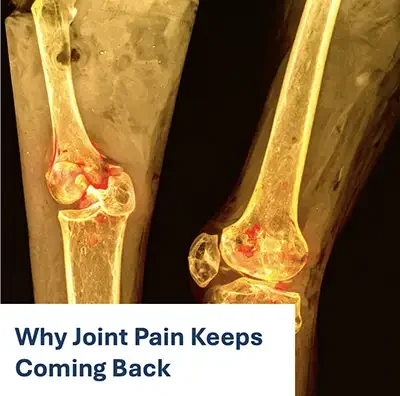
This newsletter reveals how disrupted calcium signaling, not wear or inflammation, keeps joints locked in dysfunction.
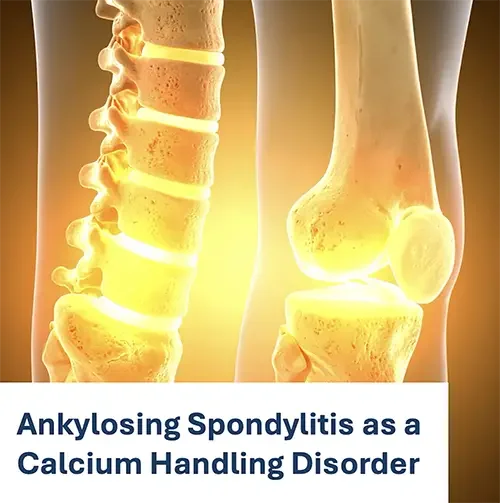
This newsletter shows how ankylosing spondylitis involves disrupted calcium signaling driving both bone loss and abnormal bone growth—and why correcting it may outperform inflammation control.

This newsletter reveals how specific dairy patterns and corrected calcium signaling can curb midlife fat shift while strengthening bone.
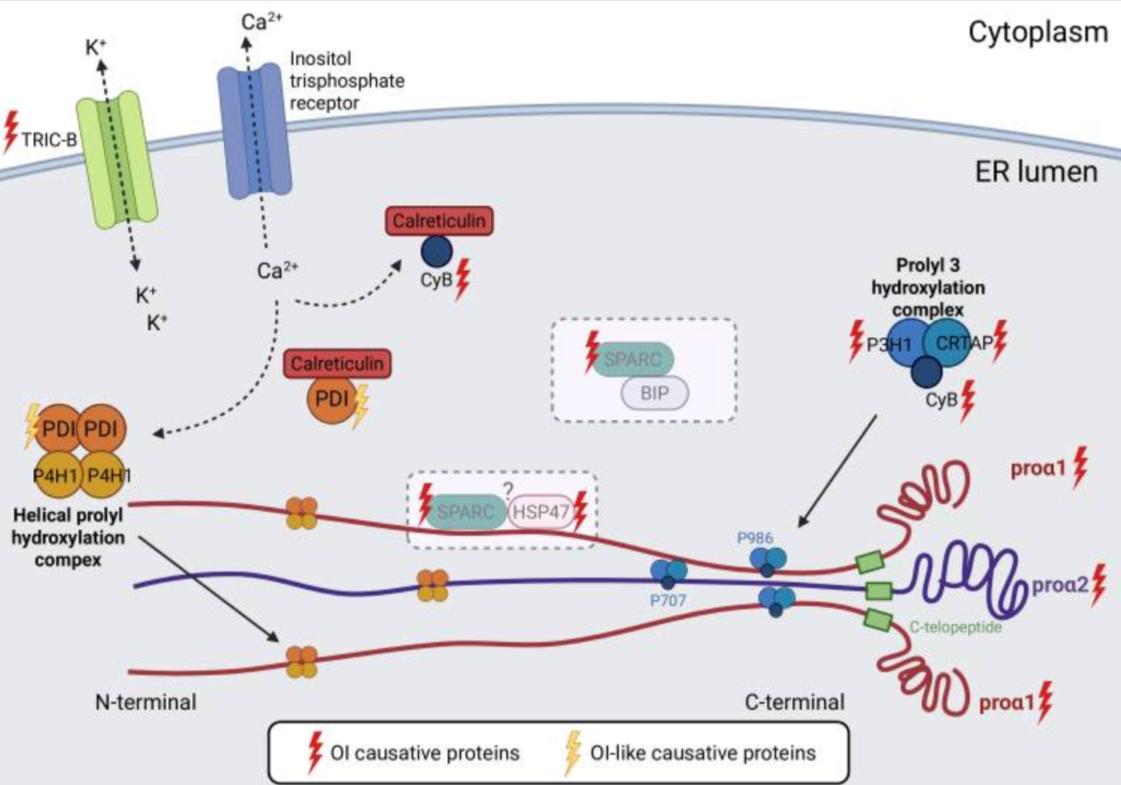
This newsletter reveals why calcium signaling is so essential in osteogenesis imperfecta.
This newsletter explores how calcium misregulation drives inflammation and examines therapeutic approaches that reestablish physiological calcium signaling in chronic disease.
This newsletter explores how restoring precise intracellular calcium flow can energize immune cells, strengthen pathogen defense, and improve infection outcomes.

A quick scleroderma check to keep the appointment focused, find problems early, and avoid spending months on the wrong issue.
This newsletter reveals how disrupted calcium signaling quietly reshapes the cancer terrain long before a tumor forms.
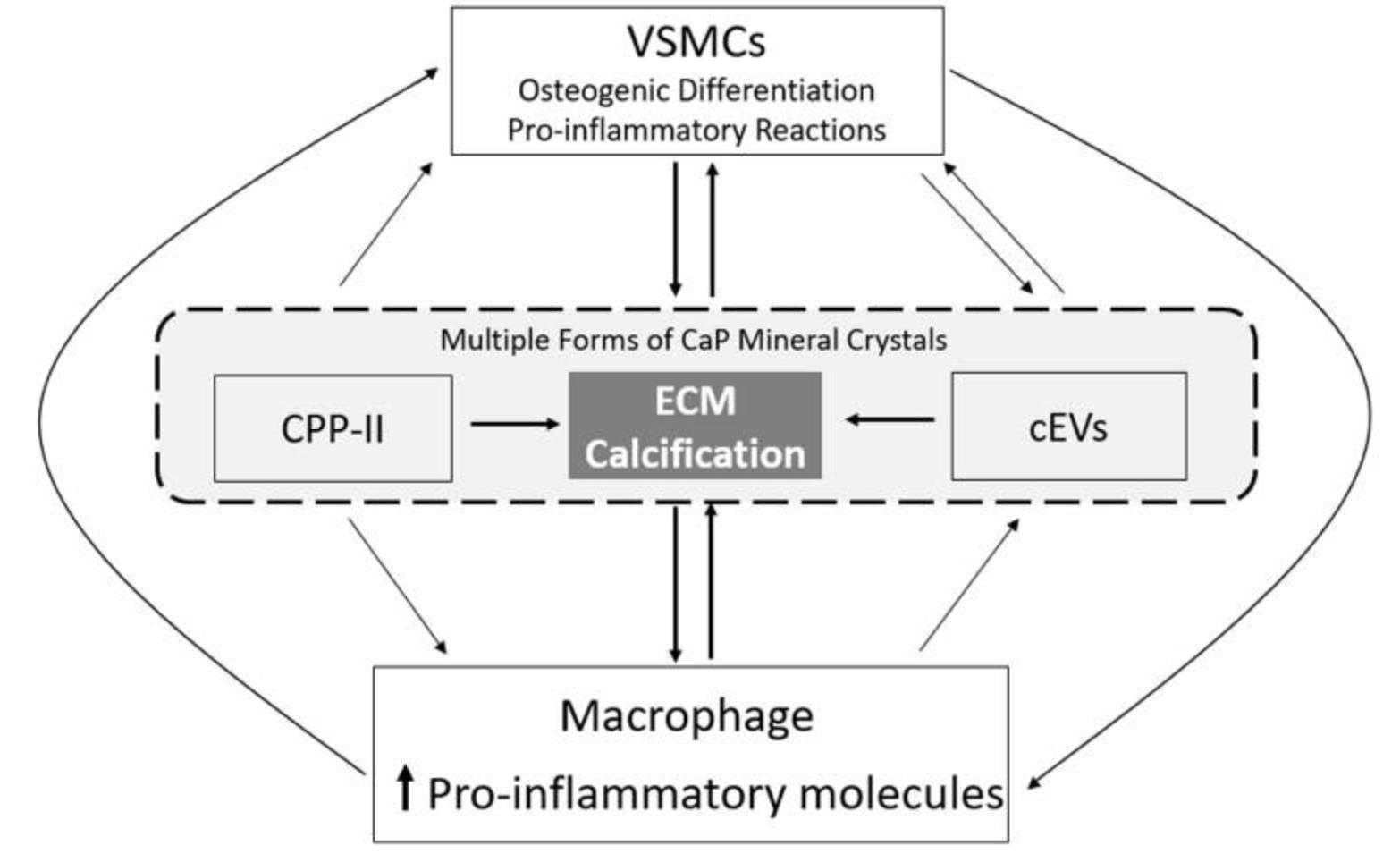
This newsletter reveals how quiet, chronic inflammation gradually reshapes calcium handling, stiffens tissues from the inside out, and opens the door for gentler mineral-based strategies.
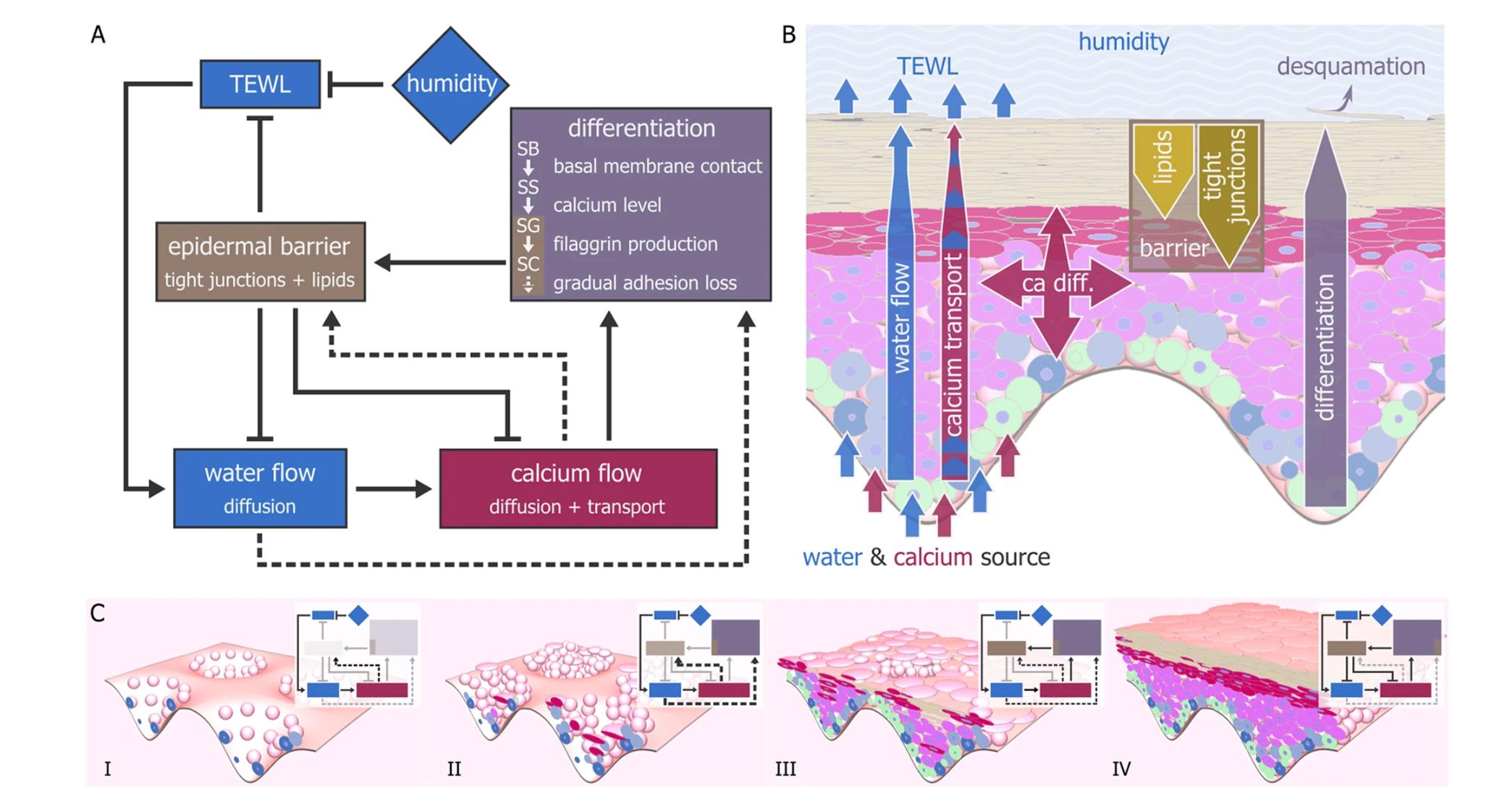
Psoriasis plaques persist when the epidermal calcium gradient and intracellular calcium regulation are disrupted, leading to continued keratinocyte proliferation with incomplete terminal differentiation and impaired barrier restoration.
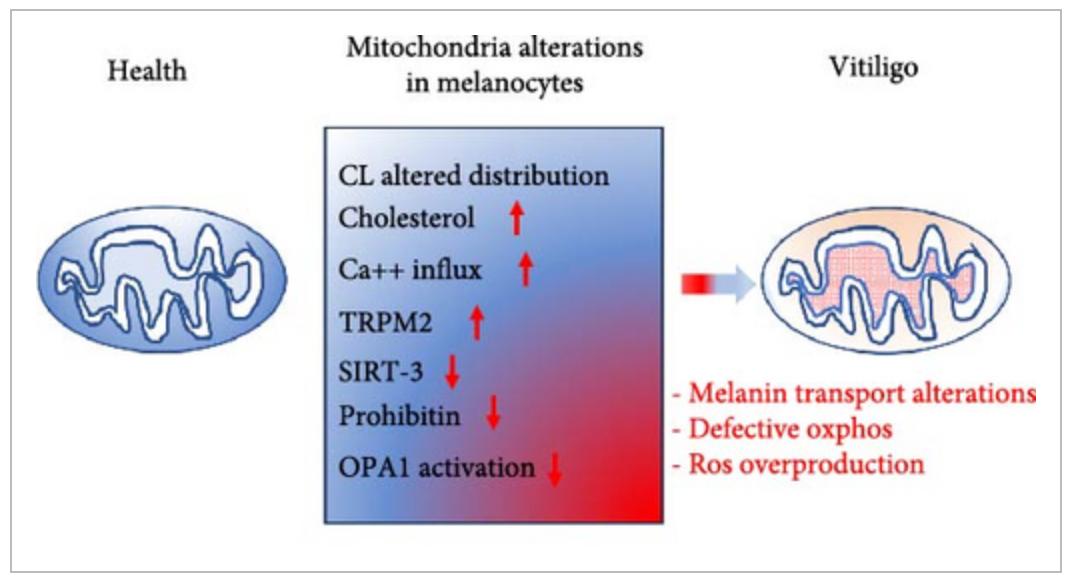
This newsletter reveals vitiligo as a Ca²⁺-driven stress-immune loop where restoring ER-mitochondrial coherence calms active edges and supports repigmentation.

Clinical resistance isn’t always about protocol failure—it’s sometimes about what lies beneath the surface, unseen.

This newsletter reveals how coffee, when decoded through calcium-regulated pathways, offers precise leverage over energy, cognition, and adaptive stress responses.

This newsletter explores how hidden calcium imbalances silently shape your sleep, mood, inflammation, and long-term health.

This newsletter reveals how misdirected calcium signaling can quietly keep weight loss stuck in patients who look fully compliant.
Here’s how calcium timing connects sleep depth, morning clarity, and cognitive aging, with a simple signal map you can use.

This newsletter reveals that early hair loss often begins with fine, weak regrowth, not because follicles are gone, but because they are still alive and already underperforming.
This newsletter reveals how restoring ionic calcium signaling can normalize gut pH, barrier integrity, and calcium routing.

This newsletter reveals how disordered calcium handling inside the adipocyte, not caloric failure, keeps visceral fat in storage mode and makes sustained weight loss difficult.
This newsletter reveals how orderly mitochondrial signaling, redox rebuilding, and measured detox restore ATP coupling by reestablishing brief, well-timed calcium pulses across tissues.
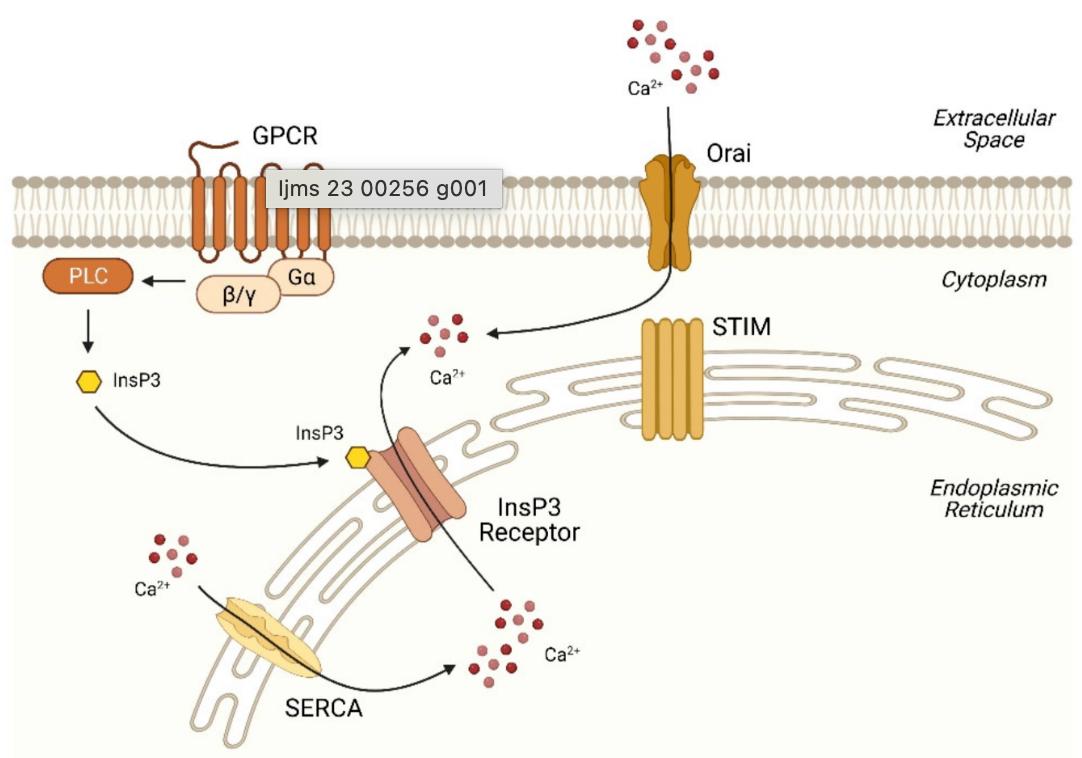
This newsletter reveals how the loss of calcium control in liver cells drives fatty liver disease.
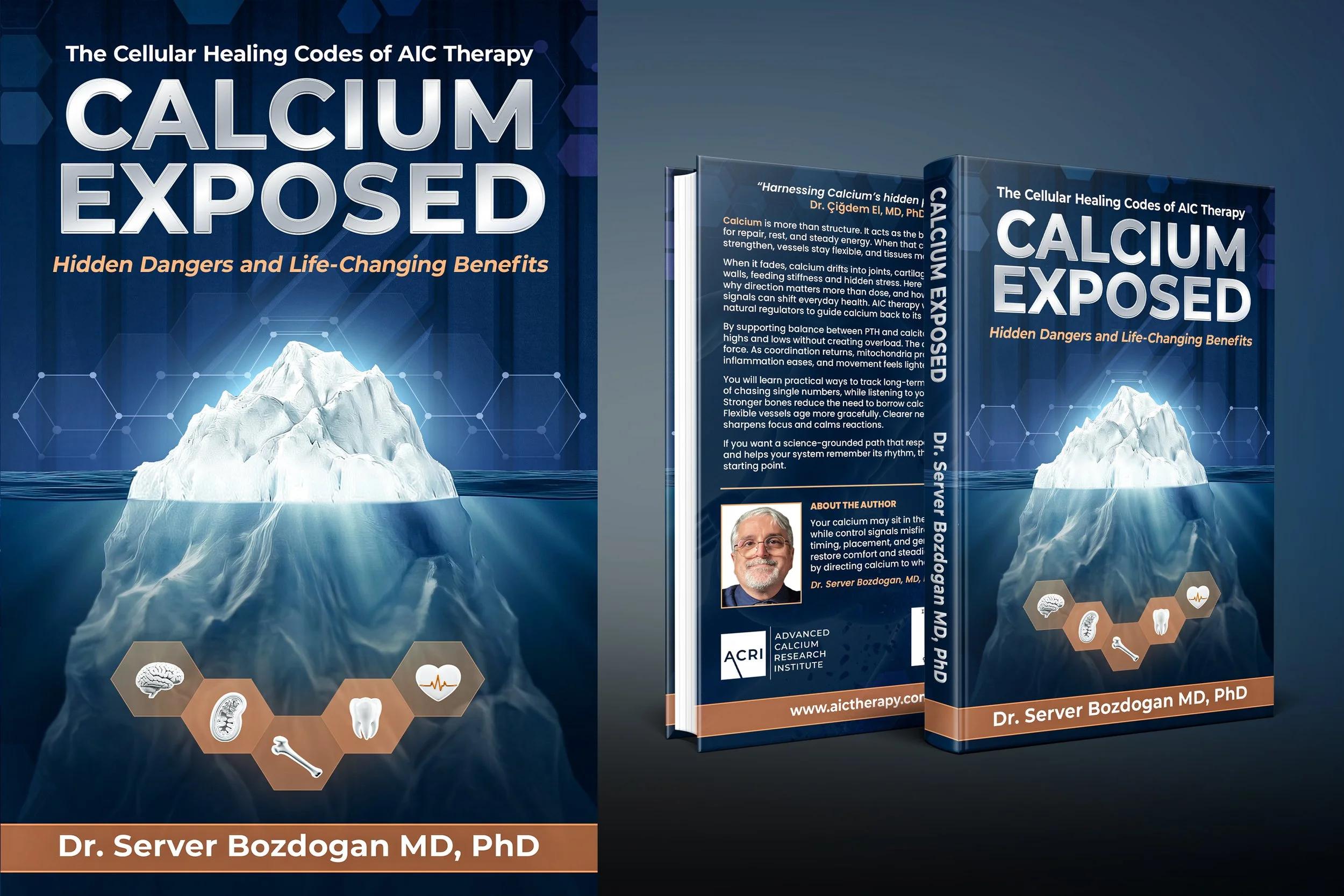
This week's issue is different. Instead of one disease, it introduces a new book: Calcium Exposed, by Dr. Server Bozdogan, MD, PhD, written from more than two decades in practice. Its starting point is calcium itself.
This newsletter reveals how disordered calcium flow inside the vessel wall drives stiffness and early mineral seeding, and how AIC may help shift tissue behavior toward repair.
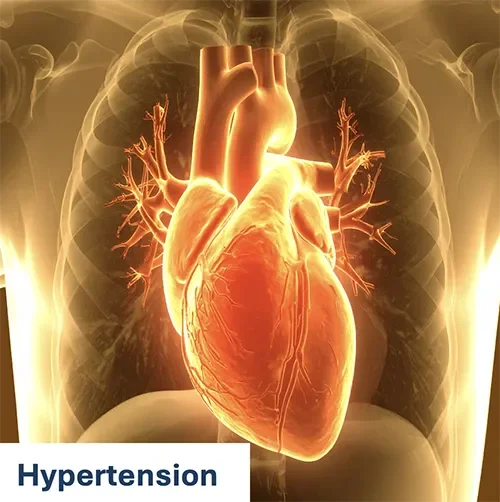
This newsletter reveals how hypertension traces back to a calcium-handling failure in the vessel wall, where excess calcium entry, lagging removal pumps, and a fading endothelial relaxation signal maintain sustained arterial tone and drive arterial stiffness.
This newsletter reveals how hypertension takes hold when the arterial wall loses the local organization of its calcium signals, so the vessel tightens too easily, relaxes slowly, and, over time, remodels into a stiffer, harder-to-lower state.
This newsletter reveals how targeted calcium signaling, including AIC-driven pulses, integrates with bile acids, fermentable fibers, and circadian inputs to reset barrier function and motility.
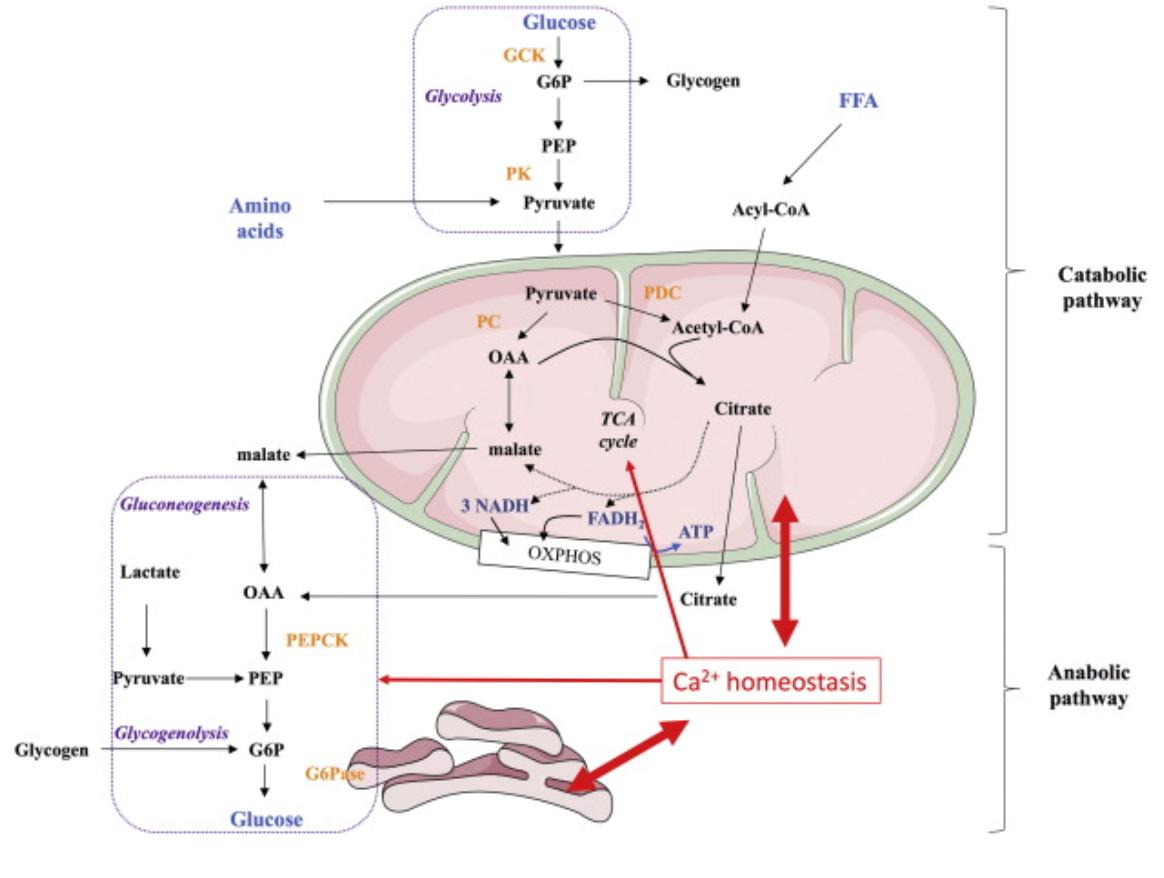
This newsletter reveals how lifestyle, mitochondria, and calcium signaling intersect in everyday cardiometabolic practice.
This newsletter reveals how overlooked calcium dynamics -not the stem cells themselves -often determine whether a regenerative protocol succeeds, stalls, or silently fails.

If you're seeing "standard workup" headaches that still behave unpredictably, this issue provides a cleaner clinical lens, making the pattern measurable and follow-up easier.
This newsletter reveals why unstable calcium signaling and impaired calcium clearance can push depressive circuits toward Alzheimer vulnerability and how restoring calcium homeostasis and compartmental handling may protect synaptic plasticity and cognitive resilience.
This newsletter reveals how one third of major depression cases reach a medication ceiling at a calcium handling layer where sustained cortisol pressure and primed microglial inflammation meet.
This newsletter shows how disordered calcium handling drives mitochondrial stress and sustains neuroinflammation.
This newsletter reveals how a raised resting calcium level erases new memories before they can last.
This newsletter reveals how depression can emerge not just from neurotransmitter imbalance, but from blocked intracellular calcium signaling —a deeper disruption in brain cell communication.
This newsletter reveals that restoring calcium flow inside brain cells is a key step toward rebalancing neural circuits, reducing sensory overload, and unlocking meaningful functional improvements in children with autism.

This newsletter reveals why early erectile dysfunction(ED) is often a calcium signaling problem before it becomes a complete loss of erection.

This newsletter reveals how disrupted calcium handling drives depressive physiology through synaptic instability, mitochondrial stress, and reduced network adaptability.
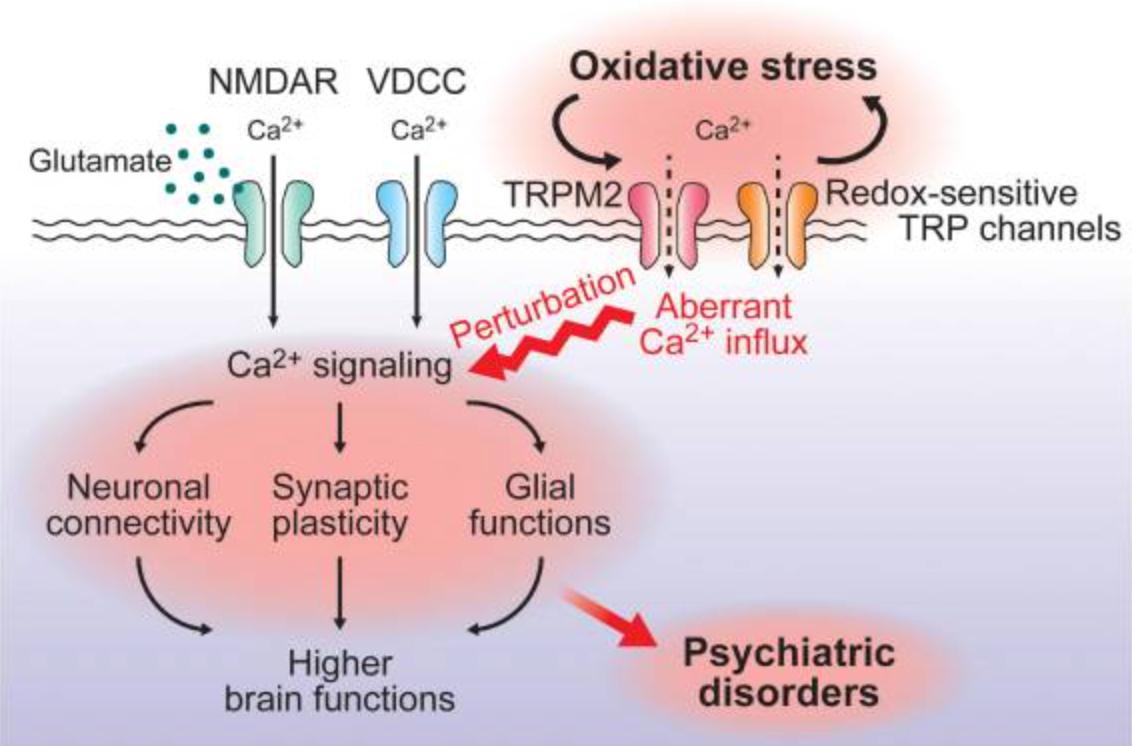
This newsletter reveals how disrupted calcium handling helps drive anxiety physiology and how restoring calcium balance can shift the system toward steadier neural function.
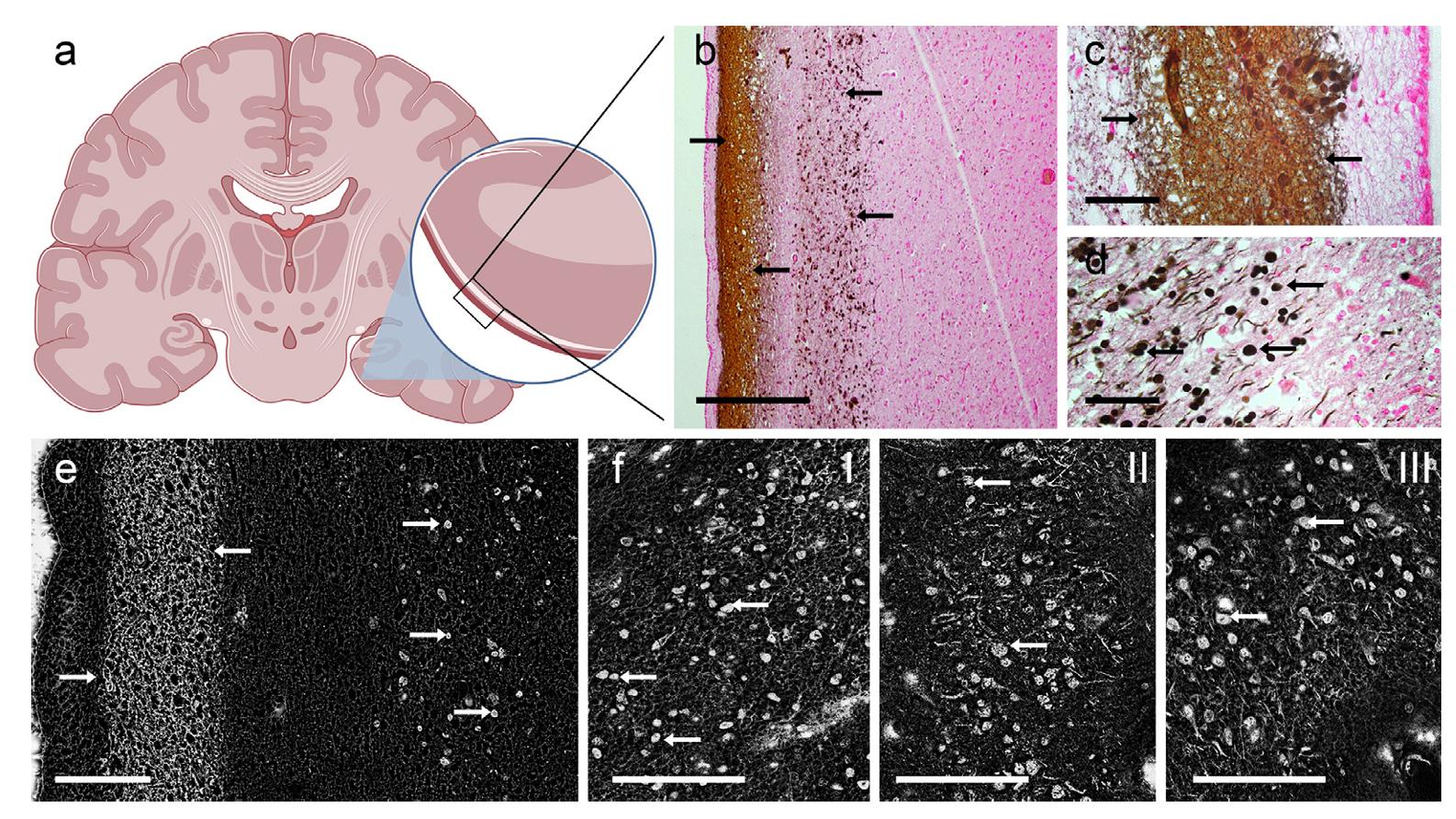
This newsletter reveals how disrupted calcium homeostasis, microcalcifications, and microvascular stiffness jointly slow cognition, and it outlines practical ways to restore mineral balance for clearer thinking.
This newsletter reveals how disrupted calcium signaling quietly reshapes the cancer terrain long before a tumor forms.
Before myeloma is visible, the body often sends its warning through silence —not in labs, but in calcium flow.
This newsletter shows how cytotoxic immunity in cancer depends on short, controlled free ionic Ca2+ pulses at the immune synapse, and how a low, steady calcium window can support cleaner killing and recovery.

This newsletter reveals how silent calcium misplacement-not structural failure -can reshape chronic back pain from within.

This newsletter reveals how disturbed calcium handling drives stubborn myalgia and how restoring rhythms improves function.
No briefings in this topic yet.
Newsletter content is educational and contributed by participating healthcare practitioners. These statements have not been evaluated by the FDA and are not intended to diagnose, treat, cure, or prevent any disease.