( Part 1 of 3 )
Series on the Role of Calcium in Detoxification Pathways
The first part of this newsletter series explores calcium’s pivotal contributions to Detoxification and its Impact on Oxidative Stress Management. The second part focuses on Calcium’s Role in Heavy Metal Detoxification, unraveling how it aids in mitigating toxicity and restoring cellular balance. The third part shifts to Detoxification in Skin Health and Anti-Aging. Together, the series demonstrates how calcium is a cornerstone in safeguarding the body from oxidative and toxic challenges.
Calcium's Vital Role in Detoxification and Combating Oxidative Stress
Calcium is a critical cellular messenger that orchestrates essential detoxification processes. Within the liver, calcium regulates detoxification enzymes like cytochrome P450, which is indispensable for metabolizing toxins. The mitochondria can effectively manage ATP production and toxin clearance by ensuring calcium balance and safeguarding cellular detoxification systems. Furthermore, calcium enhances the activity of glutathione peroxidase, an antioxidant enzyme crucial for neutralizing reactive oxygen species (ROS) and alleviating oxidative stress.
In addition to its regulatory role, ionic calcium addresses toxin-induced cellular calcification, reversing its harmful effects and restoring detoxification efficiency. In hepatocytes, calcium’s influence extends to bile acid metabolism, facilitating the removal of fat-soluble toxins and activating detox-related genes through calcium-dependent signaling pathways.
However, an excess of calcium in mitochondria can create a chain reaction that exacerbates oxidative stress and undermines detoxification pathways. This overload activates ROS-generating mechanisms, including heightened metabolic activity and nitric oxide production, while triggering cytochrome c dissociation, cardiolipin peroxidation, and the opening of mitochondrial permeability transition pores. These events amplify oxidative damage, creating a feedback loop in which disrupted calcium signaling perpetuates cellular dysfunction. Targeting this interplay between calcium and ROS provides a unique opportunity to strengthen detox pathways, prevent oxidative damage, and address chronic conditions like autoimmune diseases, cancer, and neurodegenerative diseases.
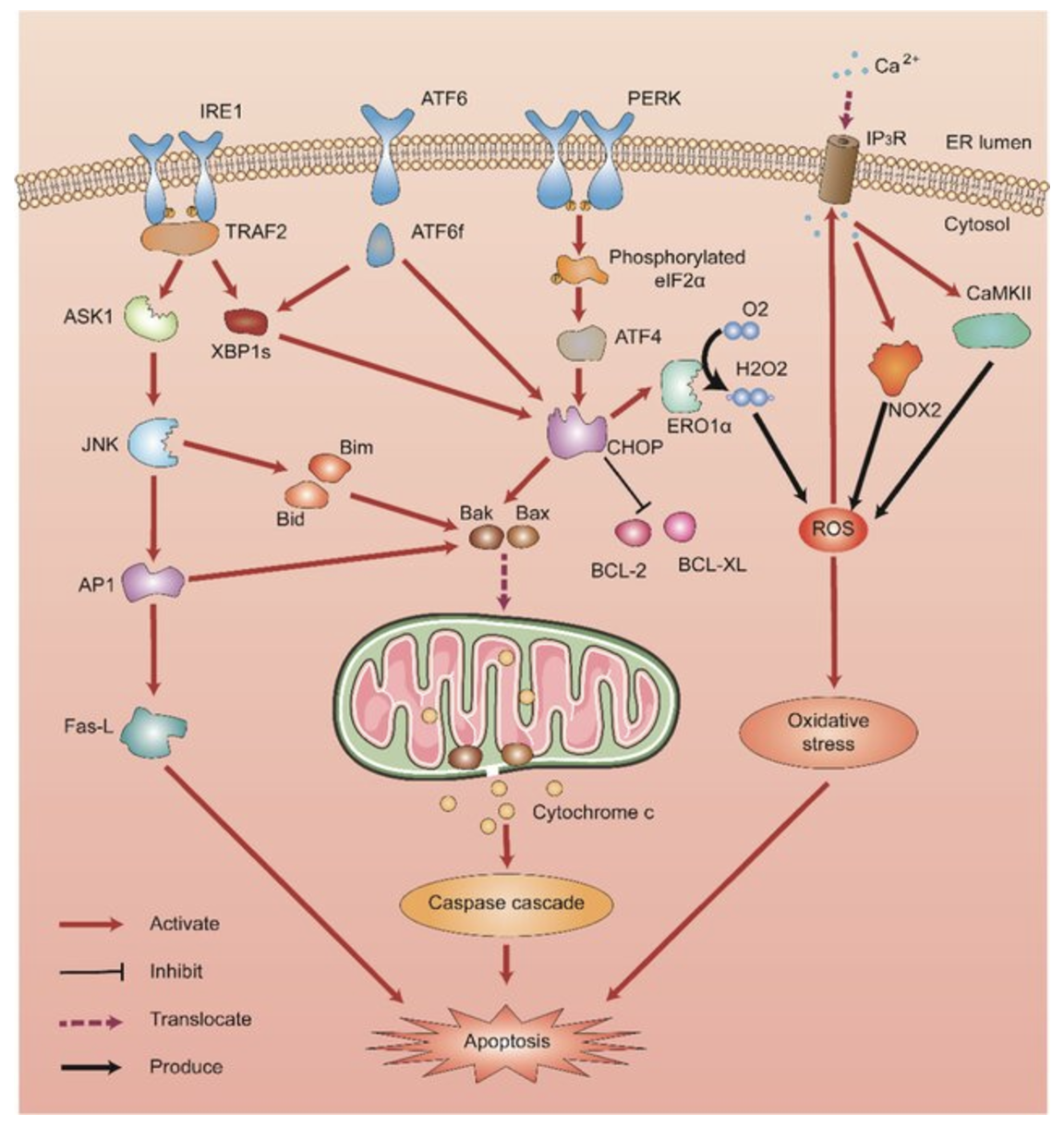
This figure shows how Prolonged endoplasmic reticulum (ER) stress triggers cell death through pathways that disrupt mitochondrial integrity and amplify oxidative stress. The IRE1 pathway activates proteins that break down mitochondrial membranes, releasing cytochrome c and initiating apoptosis. The PERK pathway increases CHOP activity, reducing protective proteins and promoting ROS production, while the ATF6 pathway amplifies CHOP’s effects. Calcium released from the ER into the cytosol activates enzymes like CaMKII, producing ROS and worsening mitochondrial damage. These interconnected mechanisms demonstrate how ER stress and calcium signaling contribute to cell death during prolonged cellular stress.
A Revolutionary Approach to Detoxification
AIC therapy is pivotal in activating calcium-dependent kinases, such as protein kinase C (PKC). These kinases phosphorylate transcription factors to regulate CYP enzyme expression and fine-tune xenobiotic metabolism. When calcium homeostasis within the ER is disrupted, it can lead to ER stress, impairing the folding and function of CYP enzymes, which are vital for detoxification. AIC therapy restores these disrupted calcium signaling pathways, particularly in mitochondria, preventing calcium overload, reducing oxidative stress, and repairing the breakdown in detox processes.
AIC also modulates NADPH oxidase activity, mitigating oxidative damage, and serves as a cofactor for antioxidant enzymes like catalase and superoxide dismutase, enhancing the body's defense against reactive oxygen species. Furthermore, AIC has a notable role in heavy metal detoxification by displacing toxic metals, such as cadmium and lead, and promoting their efficient excretion. By supporting mitochondrial detoxification, AIC boosts calcium-mediated ATP production, ensuring the energy demands of toxin clearance are met effectively.
Overcoming Key Challenges in Detoxification
Detoxification pathways face three primary challenges that can significantly reduce their efficiency.
The first is oxidative stress overload, where an accumulation of ROS leads to cellular damage and inflammation. Therapies like AIC and vitamin C are instrumental in addressing this by enhancing glutathione production and bolstering antioxidant defenses.
The second challenge lies in disruptions to calcium homeostasis, particularly mitochondrial calcium overload, which impairs ATP production and hampers detoxification efficiency. AIC therapy restores this balance by preventing calcium overload and activating calcium-dependent enzymes, such as cytochrome P450, to optimize detox pathways.
Finally, persistent toxin retention—especially of heavy metals and fat-soluble pollutants—disrupts cellular function and resists clearance. AIC therapy addresses this issue through calcium-mediated chelation, effectively mobilizing and excreting these toxins, promoting a more efficient detoxification process.
Clinical Pearl
Enhancing Detoxification with Calcium Modulation
AIC Therapy is a crucial tool in detoxification, addressing mitochondrial calcium overload, a primary driver of oxidative damage while restoring the function of calcium-dependent detox enzymes like glutathione peroxidase. It supports the excretion of toxic heavy metals, reducing the burden on hepatocytes and enhancing bile acid metabolism to eliminate fat-soluble toxins efficiently.
This innovative approach also targets cellular calcification caused by chronic toxin exposure, promoting decalcification and re-establishing effective detoxification pathways. By incorporating AIC into treatment protocols, mitochondrial resilience is fortified, oxidative stress is reduced, and detoxification processes are optimized. This strategy provides robust protection against oxidative stress-related diseases, paving the way for improved cellular health and resilience.
Conclusion
Calcium signaling is a crucial link between endoplasmic reticulum stress, mitochondrial dysfunction, and apoptosis, making it a vital target for improving cellular health. By modulating calcium dynamics, AIC Therapy bolsters mitochondrial resilience optimizes detoxification pathways, and mitigates oxidative stress, offering robust protection against toxin-induced damage. This approach addresses key challenges such as oxidative overload, disrupted calcium homeostasis, and persistent toxin retention, providing a comprehensive strategy to enhance the body’s detoxification processes. The intricate role of calcium in cellular mechanisms reveals its immense potential to drive innovation in detoxification protocols and disease prevention. Harnessing AIC Therapy to regulate calcium signaling opens new pathways for restoring cellular balance and promoting long-term health.
Bring calcium signaling into your practice.
Practitioners can request a consultation to discuss AIC therapy and how these mechanisms apply to specific cases.
Newsletter content is educational and contributed by participating healthcare practitioners. These statements have not been evaluated by the FDA and are not intended to diagnose, treat, cure, or prevent any disease.