( Part 2 of 3 )
Series on Role of Calcium in Detoxification Pathways
This second part focuses on Calcium’s Role in Heavy Metal Detoxification, unraveling how it aids in mitigating toxicity and restoring cellular balance. The third part shifts to Detoxification in Skin Health and Anti-Aging. Together, the series demonstrates how calcium is a cornerstone in safeguarding the body from oxidative and toxic challenges.
The Untold Story of Ionic Calcium: Detoxifying Heavy Metals and Revitalizing Cellular Health
Ionic calcium plays an indispensable role in detoxification by displacing toxic metals such as lead, cadmium, and mercury from critical binding sites on enzymes and proteins. This reactivation of enzymatic functions prevents the metabolic disruptions caused by these toxic metals, ensuring proper cellular performance. Calcium stabilizes mitochondrial membranes, maintaining essential ionic gradients and preserving ATP production, which is crucial for the energy-intensive processes involved in detoxification. Additionally, calcium strengthens antioxidant systems by mitigating oxidative stress from heavy metals and enhancing the activity of enzymes like glutathione peroxidase and catalase.
In hepatocytes, calcium facilitates bile acid metabolism, enabling the efficient excretion of fat-soluble toxins, such as persistent organic pollutants and lipophilic heavy metals, through bile. Within the endoplasmic reticulum (ER), calcium reestablishes homeostasis, counteracting the stress responses triggered by heavy metals that impair protein folding and detox enzyme functionality. This restoration ensures the proper functioning of detoxification pathways at the cellular level. Furthermore, calcium mobilizes heavy metals stored in tissues, including bones, reducing their systemic toxic load by chelating these metals and facilitating their excretion.
Calcium also plays a unique role in preventing pathological calcifications caused by long-term toxin accumulation, which disrupts cellular detoxification processes. By resolving these calcifications, calcium restores normal function and helps detox pathways operate efficiently. Calcium-dependent kinases, such as protein kinase C (PKC), are activated by calcium to regulate the expression of genes essential for detoxification enzymes, ensuring appropriate cellular responses to toxic exposures. Finally, calcium disrupts the feedback loop between heavy metal-induced reactive oxygen species (ROS) and calcium imbalance, breaking the cycle of oxidative stress and cellular damage while enhancing the body’s detoxification capabilities.
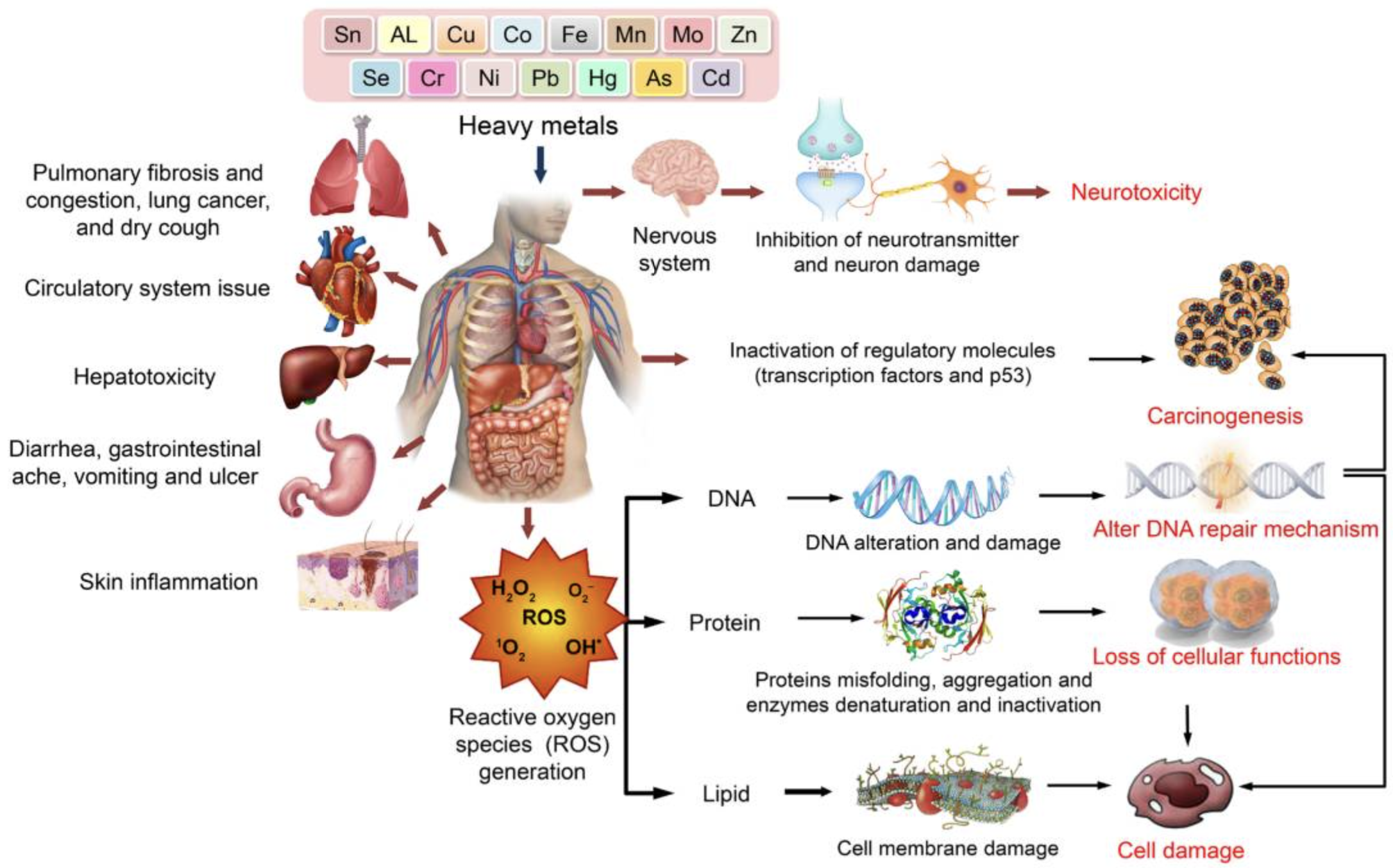
The figure illustrates how heavy metals (HMs) impact human health by binding to sulfhydryl groups in proteins and generating reactive oxygen species (ROS). This induces oxidative stress, depletes glutathione, and disrupts detoxification. HMs damage multiple systems: they cause neurotoxicity by inhibiting neurotransmitters and damaging neurons, pulmonary fibrosis, lung cancer in the respiratory system, cardiovascular impairments, hepatotoxicity, and gastrointestinal disturbances such as diarrhea and ulcers. ROS generated by HMs attack DNA, proteins, and lipids, leading to mutations, enzyme inactivation, and cell membrane damage. These processes drive carcinogenesis, cellular dysfunction, and widespread toxicity.
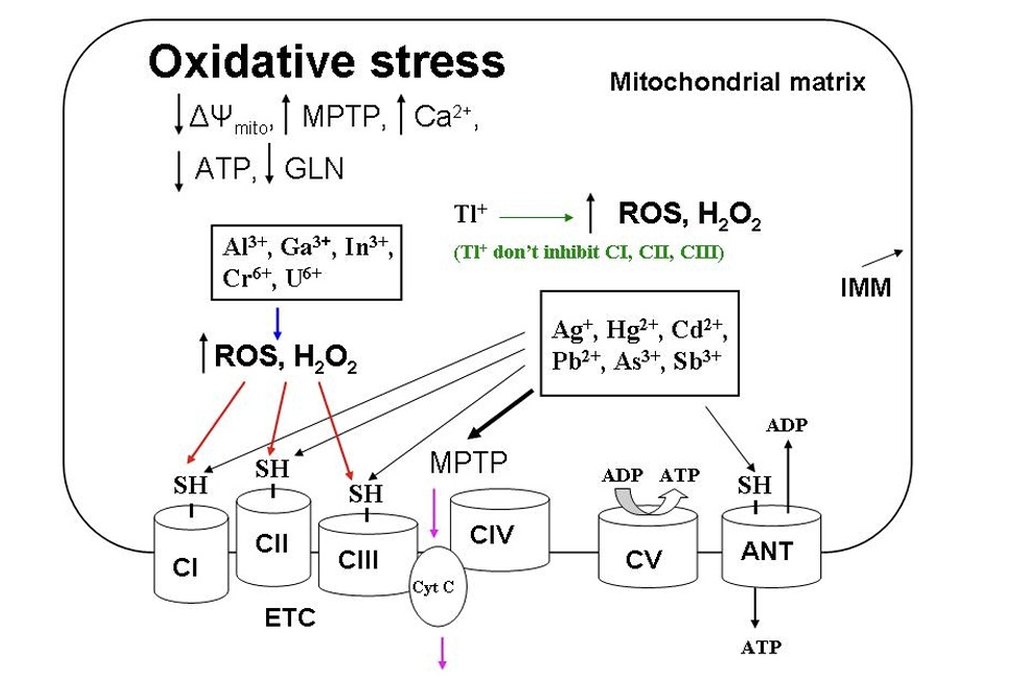
This figure illustrates how heavy metals disrupt mitochondrial function and induce oxidative stress, leading to cellular damage. Toxic metals like cadmium, lead, mercury, and arsenic interact with thiol (SH) groups in mitochondrial respiratory complexes, blocking their function and opening the mitochondrial permeability transition pore (MPTP). This results in the release of cytochrome c from mitochondria, impairing ATP production and triggering ROS and hydrogen peroxide (H₂O₂) generation, further oxidizing thiol groups and amplifying damage. Other metals, such as aluminum and chromium, indirectly inactivate thiol groups by promoting ROS production, contributing to mitochondrial dysfunction. These processes create a vicious cycle of oxidative stress and energy depletion, compromising detoxification pathways and increasing cellular vulnerability to toxicity.
A Comprehensive Approach to Heavy Metal Detoxification
AIC Therapy demonstrates an indispensable role in mitigating heavy metal toxicity and maintaining cellular balance. By leveraging its superior ionic activity, AIC displaces heavy metals from critical binding sites, reactivating enzymes and preventing metabolic disruptions. It stabilizes mitochondrial membranes to preserve ATP production, is a crucial energy source for effective detoxification, and precisely modulates antioxidant enzymes like glutathione peroxidase to neutralize reactive oxygen species (ROS).
Furthermore, AIC therapy restores calcium homeostasis in the endoplasmic reticulum, ensuring proper protein folding and detox enzyme functionality. It efficiently mobilizes and chelates stored heavy metals, reducing systemic toxic loads and facilitating excretion. In addition, AIC resolves pathological calcifications, reactivates calcium-dependent kinases for the gene regulation of detox enzymes, and breaks the destructive feedback loop between oxidative stress and disrupted calcium signaling. This targeted and comprehensive approach strengthens the body's ability to combat heavy metal toxicity while protecting cellular health and functionality.
Case Reference
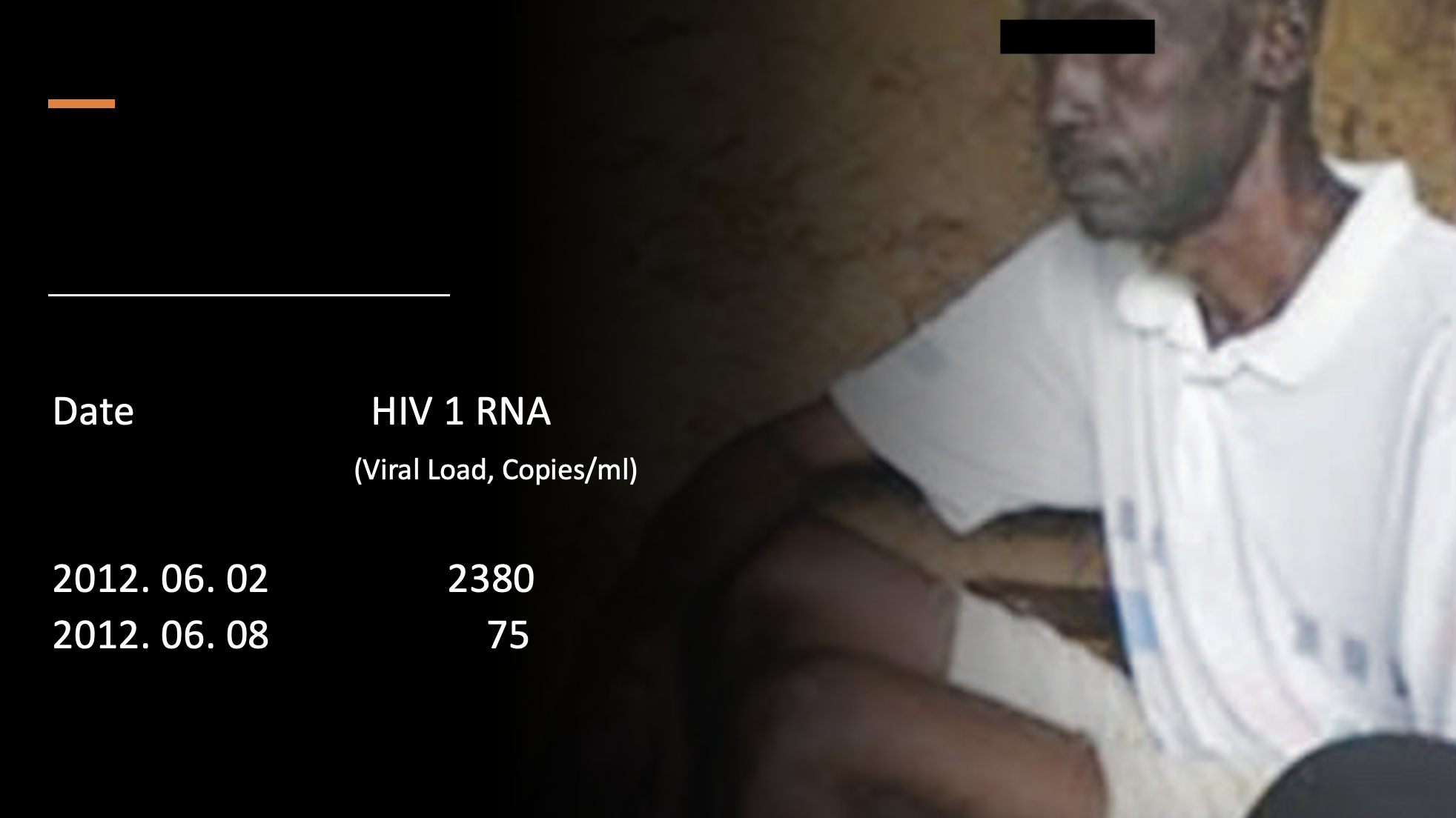
A 64-year-old HIV-positive patient from Tanzania experienced a remarkable reduction in viral load after starting AIC therapy. Administered 2–3 times daily, the therapy reduced HIV-1 RNA levels from 2,380 copies/ml to 75 copies/ml within six days (June 2, 2012, to June 8, 2012). This substantial improvement indicates that AIC therapy supported the patient’s immune system in effectively managing the viral load, showcasing its potential as a valuable adjunct in enhancing immune function for individuals living with HIV. The study was not conducted long enough to determine whether AIC Therapy could lead to the complete eradication of the virus. However, it demonstrated significant support in reducing the viral load.
Quick Clinical Tips
Unexpected Sensitivity to Stress: Patients showing heightened stress responses, such as rapid fatigue or irritability after mild physical or emotional exertion, may be experiencing disruptions in cellular signaling or mitochondrial inefficiency linked to heavy metal exposure.
Recurring Musculoskeletal Discomfort: Persistent, low-grade muscle aches or joint stiffness in otherwise healthy patients may point to toxin-induced ionic imbalances affecting cellular repair mechanisms and energy production.
Dull Complexion or Nail Changes: Physical signs like brittle nails, pale skin, or delayed recovery from minor injuries may signal impaired detoxification pathways, possibly involving disrupted bile function or calcium-associated enzymatic activity.
Conclusion
Heavy metals disrupt vital cellular processes by binding to enzymes, impairing mitochondrial function, and generating reactive oxygen species (ROS), as illustrated in clinical findings. Calcium effectively counteracts these toxic effects by displacing heavy metals, stabilizing mitochondrial membranes, and supporting antioxidant systems to reduce oxidative stress. Recognizing subtle signs of heavy metal toxicity, such as sensitivity to stress, musculoskeletal discomfort, or delayed healing, is critical, as these may indicate disruptions in calcium signaling and detoxification pathways.
A case reference involving a 64-year-old patient demonstrates the profound potential of AIC therapy in reducing viral load, highlighting the therapeutic power of calcium’s ionic activity. By addressing mitochondrial dysfunction, resolving calcifications, and enhancing bile metabolism, AIC therapy provides a multifaceted solution to heavy metal detoxification while also strengthening immune system function.
Bring calcium signaling into your practice.
Practitioners can request a consultation to discuss AIC therapy and how these mechanisms apply to specific cases.
Newsletter content is educational and contributed by participating healthcare practitioners. These statements have not been evaluated by the FDA and are not intended to diagnose, treat, cure, or prevent any disease.