(Part 2 of 4)
Series on Heart Disease
Part two explores how anxiety disrupts heart function through calcium imbalance and why addressing it is a key to cardiovascular health. Part three explores how calcium dysregulation contributes to hypertension and stroke risk. Part four explores the link between calcium imbalance and heart failure.
How Anxiety Rewires the Heart, and What Can Be Done about It.
Stress is widely known to take a toll on heart health, yet its deeper, long-term effects often go unnoticed. Beyond momentary nervousness or tension, chronic anxiety silently alters the heart’s function in profound ways. It’s not just an emotional burden—it’s a physiological shift that influences calcium regulation, heart rhythm, and vascular health in ways many don’t expect.
When the body remains in a prolonged fight-or-flight state, the nervous system keeps the heart working harder than it should—elevating heart rate, increasing blood pressure, and gradually disrupting the fine balance that maintains cardiovascular stability. One crucial but often overlooked factor in this process is calcium. While commonly linked to bone health, calcium plays a central role in heart function. Under persistent stress, its signaling within heart cells, mitochondria, and blood vessels becomes dysregulated, paving the way for irregular heartbeats, chronic inflammation, and arterial stiffening.
How Anxiety and Calcium Are Quietly Reshaping the Heart
Stress hormones flood heart cells with calcium, making the heart beat harder and faster. In short bursts, this response is helpful. But when anxiety keeps the system on high alert for too long, the extra strain weakens the heart muscle over time. Anxiety also disrupts the body’s natural blood pressure regulation. Too much calcium in the arteries causes blood vessels to tighten, increasing resistance and forcing the heart to work harder against rising pressure.
Chronic stress overstimulates the immune system, activating calcium-sensitive inflammatory pathways that lead to persistent blood vessel damage and, in some cases, arterial calcification. Calcium doesn’t just control heartbeats—it also signals fibroblasts when to grow and repair tissue. Under constant stress, this process spirals out of control, turning healthy, flexible heart muscle into stiff, fibrotic tissue.
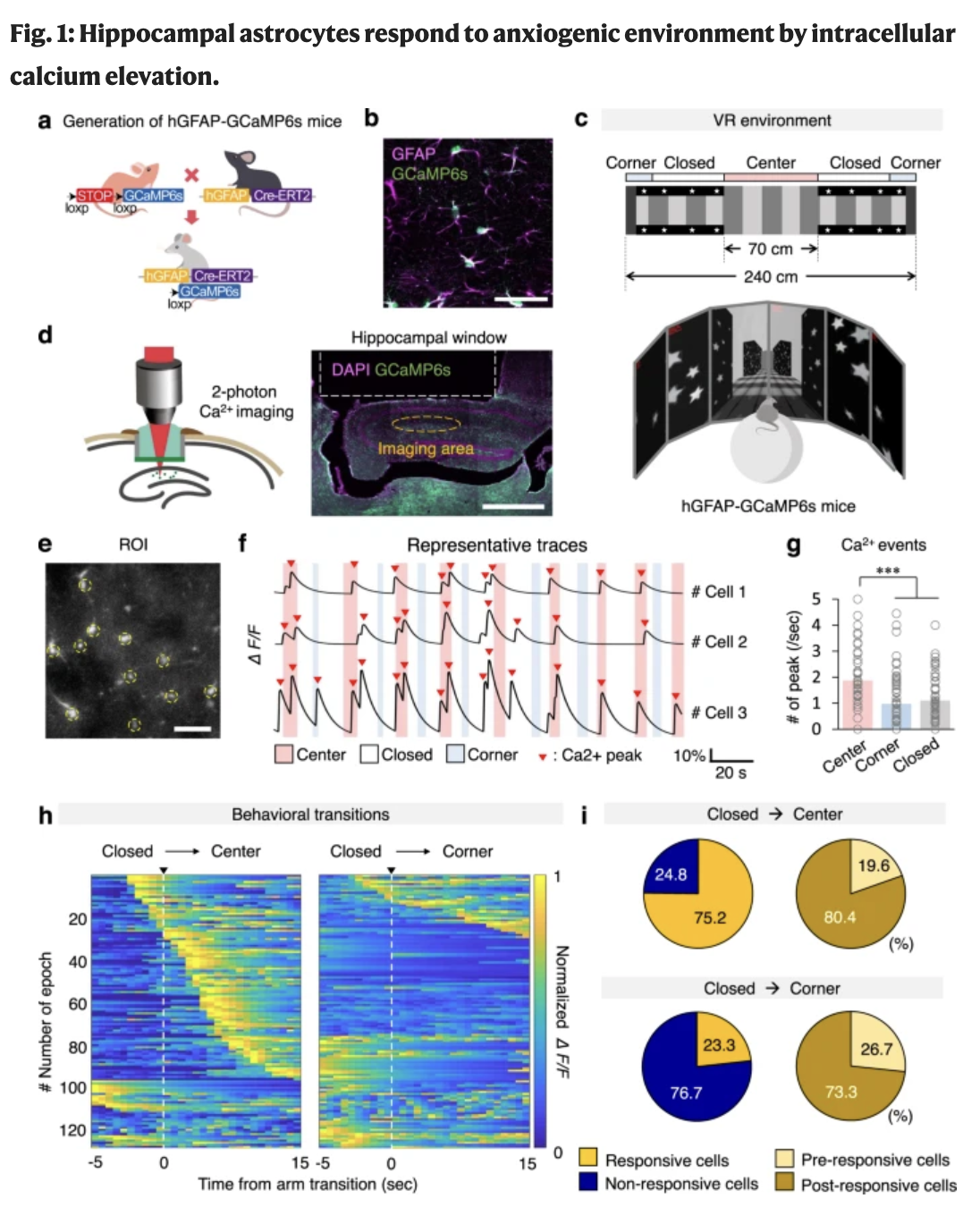
This figure demonstrates how calcium activity in hippocampal astrocytes changes in response to different environments. It shows that when mice explore virtual reality (VR) space, their astrocytes exhibit higher calcium (Ca²⁺) signals in certain areas, particularly the center, which is considered more anxiety-inducing. The calcium signal recordings highlight that these peaks occur more frequently in stressful areas compared to corners or closed spaces. The heat maps and graphs further illustrate these variations, emphasizing the difference in astrocyte activity depending on the mouse’s location in the VR environment.
Anxiety-Induced Heart Stress
Most heart therapies focus on circulation, but what if we looked deeper? What if we addressed calcium’s role in the stress response and helped the body regain its natural balance? This is precisely where AIC therapy makes a difference. By stimulating calcitonin production, AIC helps regulate calcium distribution—protecting mitochondria, stabilizing heart rhythms, and preventing arteries from stiffening under prolonged stress.
This isn’t just about disease prevention—it’s about restoring the body’s ability to function as it should, even in the face of ongoing stress. This offers a powerful way to deal with both anxiety and heart health, not by masking symptoms but by tackling the underlying cause.
Anxiety puts the heart under constant strain, flooding cells with stress hormones and disrupting calcium balance. This overload leads to irregular heart rhythms, mitochondrial dysfunction, and stiffened arteries—key factors in long-term cardiovascular damage. AIC therapy helps break this cycle by stimulating calcitonin, which restores proper calcium distribution, preventing the excess buildup that fuels inflammation and vascular rigidity. By rebalancing calcium flow, AIC protects heart cells from stress-induced damage, stabilizes heart rhythms, and keeps arteries flexible, supporting heart health even under chronic anxiety.
Clinical Perspective:
Repeated surges of stress hormones push calcium into heart cells, forcing the heart to work harder than necessary. Over time, this calcium overload disrupts normal rhythm, leading to palpitations, arrhythmias, and increased vascular tension. Chronic stress also triggers inflammatory pathways, promoting arterial stiffness and early calcification, even in individuals without traditional risk factors. This silent remodeling of the cardiovascular system is often overlooked until symptoms become irreversible. Targeting calcium homeostasis with AIC Therapy restores cellular balance, reducing the strain anxiety places on the heart.
Emerging Concepts in Practice
Recent studies reveal that anxiety does more than affect emotions—it actively reshapes cardiovascular function through calcium dysregulation. Stress-induced calcium overload forces the heart to work harder, contributing to chronic inflammation and arterial stiffness even in those without pre-existing conditions. The role of astrocytic calcium signaling in stress response suggests that brain-heart interactions are more intricate than previously thought. Understanding how prolonged anxiety alters calcium homeostasis could open doors to novel treatment approaches beyond conventional heart therapies. AIC therapy offers a targeted way to restore calcium balance, reducing the cardiovascular strain driven by chronic stress.
Conclusion
Anxiety silently alters the heart’s function, disrupting calcium regulation and increasing long-term cardiovascular risk. Stress hormones flood heart cells with calcium, intensifying workload and weakening heart muscle over time. As seen in calcium signaling, the body’s response to stress is deeply interconnected across organ systems. Restoring calcium homeostasis isn’t just a cardiovascular intervention—it’s a systemic approach to stress management. AIC therapy provides a unique solution by rebalancing calcium distribution, protecting heart function, and mitigating anxiety’s long-term impact on vascular health.
Bring calcium signaling into your practice.
Practitioners can request a consultation to discuss AIC therapy and how these mechanisms apply to specific cases.
Newsletter content is educational and contributed by participating healthcare practitioners. These statements have not been evaluated by the FDA and are not intended to diagnose, treat, cure, or prevent any disease.