Part 3 of 4 (Series on oncology)
Calcium ion (Ca2+) is a ubiquitous and versatile signaling molecule that regulates a wide array of cellular processes, including proliferation, cell death, migration, and immune response, which are crucial for cancer development. In recent decades, the disruption of Ca2+ homeostasis has been recognized as a critical factor in the initiation and progression of malignant diseases. Notably, Ca2+ also plays a pivotal role in modulating proto-oncogenes and tumor suppressor genes through intracellular signaling pathways.
Introduction
Active ionic calcium plays a pivotal role in cancer therapy by influencing critical processes such as tumor growth, cell survival, and the alkalization of the tumor microenvironment. By restoring calcium signaling, AIC Therapy regulates proto-oncogenes and tumor suppressor genes, modulates intracellular signaling pathways, activates mitochondrial function, and prevents p53 mutations, offering a systemic approach to cancer treatment.
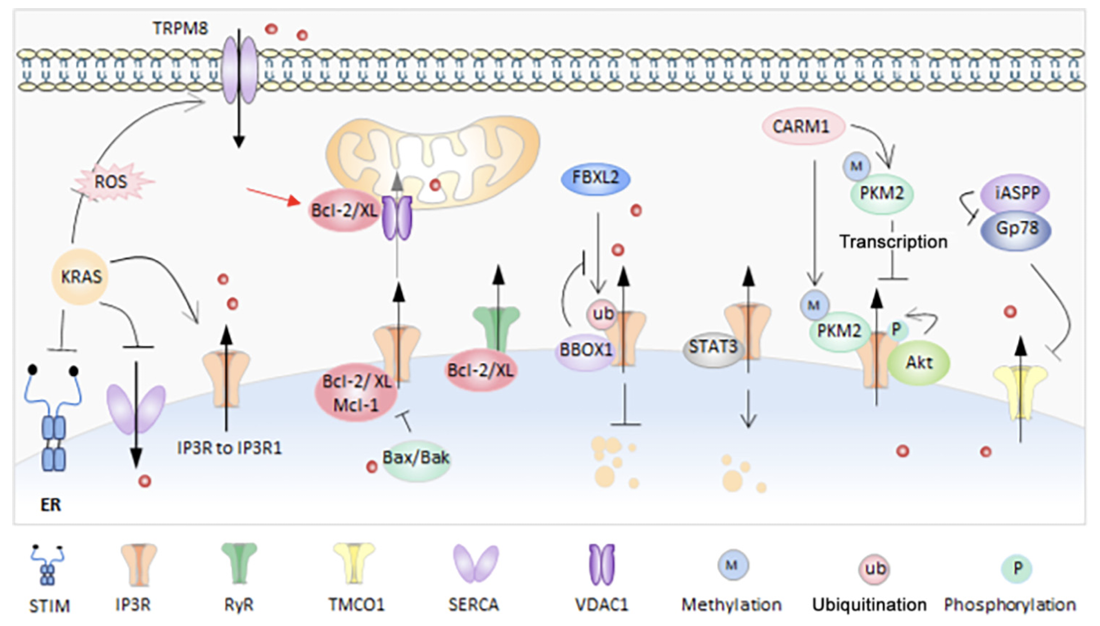
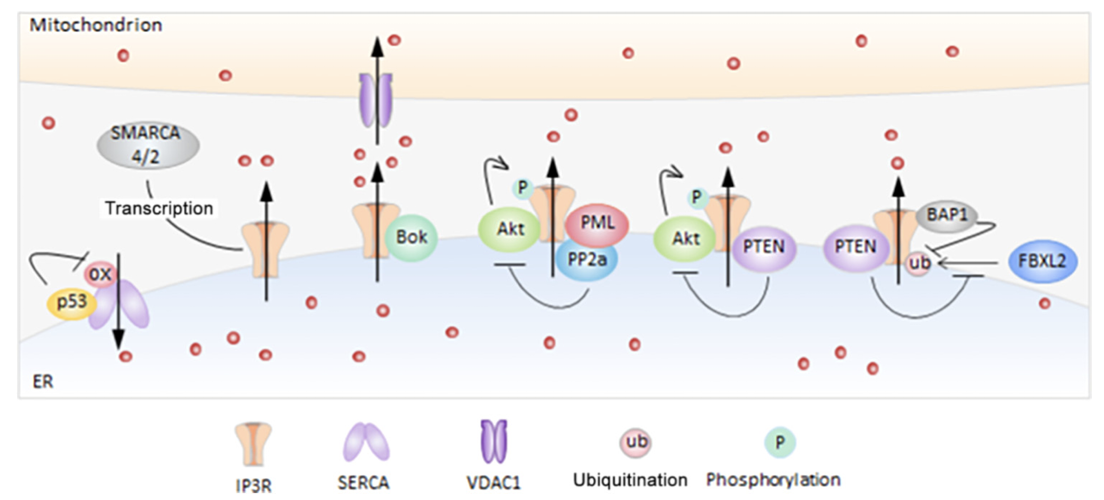
Calcium's Role in Regulating Cancer Through Proto-Oncogenes and Tumor Suppressor Genes
Calcium plays a crucial role in regulating proto-oncogenes and tumor suppressor genes by modulating intracellular signaling pathways, which can either promote or inhibit cancer cell proliferation, depending on the cellular context. Specifically, calcium influences the expression and activity of proto-oncogenes like c-Myc through calcium-dependent pathways that reduce cancer cell growth. Additionally, calcium activates tumor suppressor genes, such as p53, through pathways that trigger apoptosis and inhibit tumor progression. Maintaining the balance of intracellular calcium levels is essential for preserving the activity of tumor suppressor genes, helping to prevent uncontrolled cell proliferation in cancer. AIC Therapy offers a therapeutic strategy for inhibiting cancer growth and progression by influencing both proto-oncogenes and tumor suppressor genes.
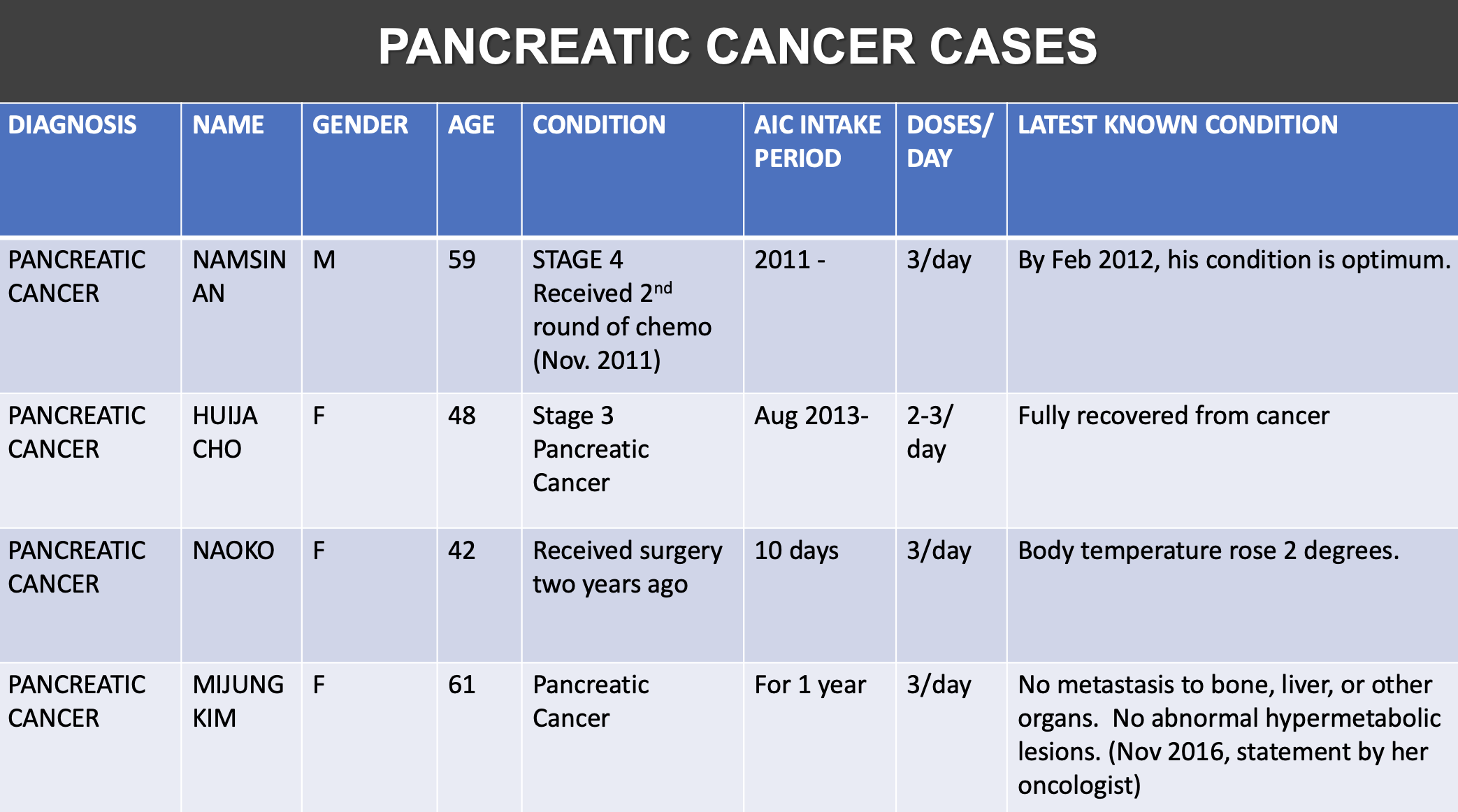
Clinical Case 1
A 59-year-old male with Stage 4 pancreatic cancer demonstrated optimal condition by February 2012 after initiating AIC Therapy in 2011, following his second round of chemotherapy. A 48-year-old female with Stage 3 pancreatic cancer commenced AIC Therapy in August 2013 and subsequently achieved full recovery, with a regimen of 2-3 doses per day. Another case involves a 42-year-old female who experienced a 2-degree increase in body temperature following 10 days of AIC Therapy after undergoing surgery. Additionally, a 61-year-old female with pancreatic cancer showed no evidence of metastasis or abnormal hypermetabolic lesions after one year of AIC Therapy, as verified by her oncologist in November 2016. These clinical cases suggest that AIC Therapy can play a significant role in improving or stabilizing the conditions of pancreatic cancer patients at various stages of the disease.
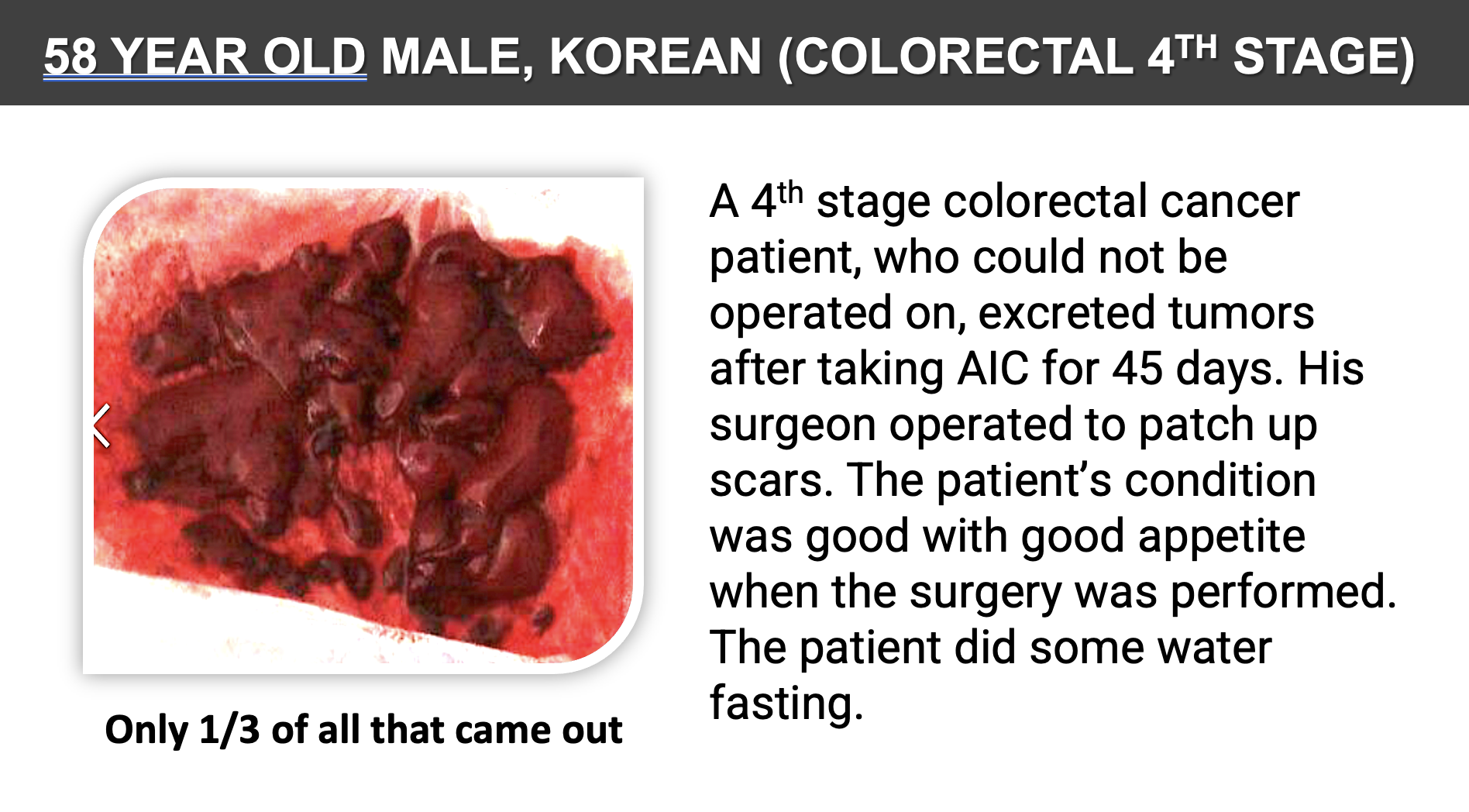
Clinical Case 2
A 58-year-old male with stage 4 colorectal cancer, initially deemed inoperable, showed remarkable clinical improvement after 45 days of AIC Therapy. The patient successfully excreted a significant portion of the tumor mass, allowing for a subsequent surgical procedure to address scarring. The patient maintained good overall health throughout this period, including a strong appetite, indicating the therapy's efficacy. The patient's regimen also included periods of water fasting, which may have enhanced the therapeutic effects. This case demonstrates the effectiveness of AIC Therapy in inducing tumor regression and improving the condition of patients with advanced cancer.
Conclusion:
AIC therapy works by boosting the activity of important genes that help stop cancer, like p53, while also lowering the activity of genes that can promote cancer, such as c-Myc. AIC Therapy modulates proto-oncogenes and tumor suppressor genes, inhibiting tumor growth and progression.
Bring calcium signaling into your practice.
Practitioners can request a consultation to discuss AIC therapy and how these mechanisms apply to specific cases.
Newsletter content is educational and contributed by participating healthcare practitioners. These statements have not been evaluated by the FDA and are not intended to diagnose, treat, cure, or prevent any disease.