PART 1 of 4 (Series on Oncology)
The ability of calcium influx to disrupt the cell cycle and activate apoptosis pathways has highlighted calcium's potential in cancer treatment. However, the effects of calcium on cancer can only be realized through regulating cellular ionic calcium signaling, which can be achieved with Anti-orbital Ionic Calcium (AIC) therapy.
Introduction
Calcium dysregulation can promote oncogenic signaling pathways and enhance invasive behaviors in cancer cells. Calcium signaling through ORAI channels is essential for cancer cell movement and spread. Calcium also plays a crucial role in the tumor environment, influencing cancer cell interactions. This makes calcium a key target for cancer treatment. AIC therapy utilizes its unique properties to fundamentally target calcium regulation in cancer.
Targeting Calcium Dysregulation for Effective Cancer Treatment
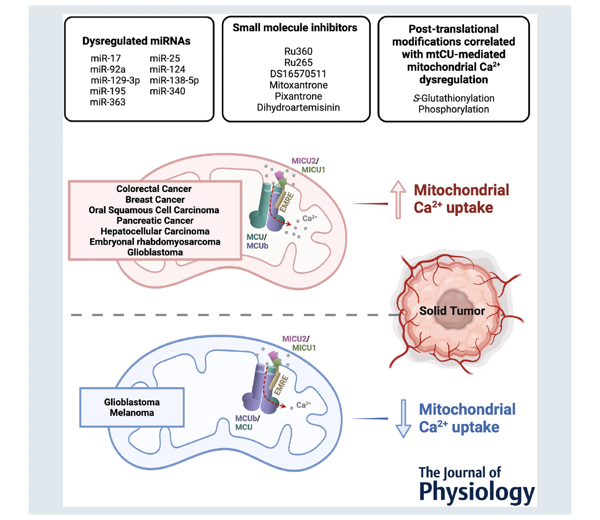
Mitochondrial calcium (Ca2+) dysregulation significantly impacts the malignancy and treatability of solid tumors. The mitochondrial Ca2+ uniporter complex (mtCU), which regulates Ca2+ uptake into the mitochondria, plays a critical role in various cancer types. Enhanced mtCU activity is associated with increased tumor growth and metastasis in cancers such as colorectal, breast, and pancreatic cancer, while decreased Ca2+ uptake is observed in melanoma. Targeting mtCU-mediated Ca2+ uptake offers a therapeutic strategy. AIC therapy, which restores body-wide healthy calcium homeostasis, disrupts the altered cancer calcium homeostasis that cancer cells rely on for metabolic and signaling pathways, inhibiting tumor growth and spread. Modulating Ca2+ levels could effectively control cancer progression, as Dr. Carl J. Reich once described cancer as the ultimate adaptation to ionic calcium deficiency, "tailor-made" to survive and thrive in an ionic calcium deficient environment.
Harnessing Calcium Regulation to fight Cancer
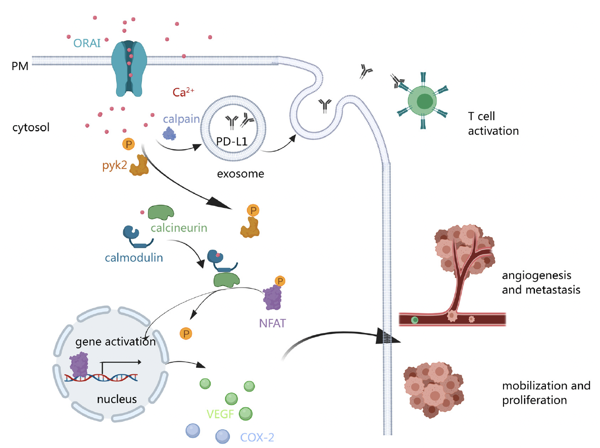
Calcium influx is crucial for cellular processes such as cell growth, movement, and gene activity in cancer cells. Unregulated calcium entry, often through ORAI channels, can increase tumor growth and spread in cancers like colorectal, breast, and prostate cancers. In glioblastoma, higher calcium levels enhance the tumor's invasive and migratory abilities by affecting cell adhesion. Excess calcium in cancer cells is linked to advanced disease and poorer outcomes. Disrupting these calcium pathways with AIC therapy, which restores proper calcium levels, offers an innovative approach to cancer treatment
Clinical Case 1
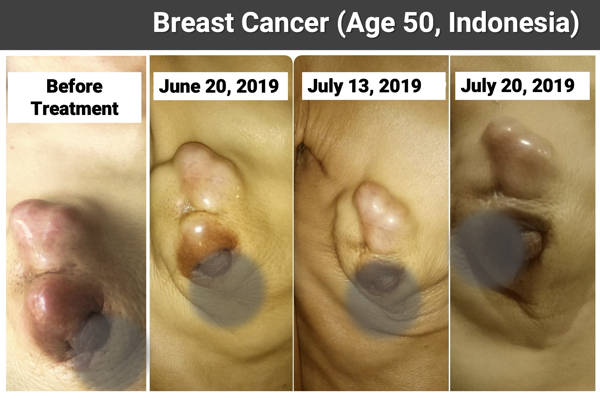
A 50-year-old woman from Indonesia with a 7-year history of breast cancer was treated with AIC therapy. Within one month of AIC treatment, accompanied by hormone therapy, significant improvements were observed. The nipple retraction resolved the previously hard cyst, which became soft, and the associated pain diminished.
Clinical Case 2
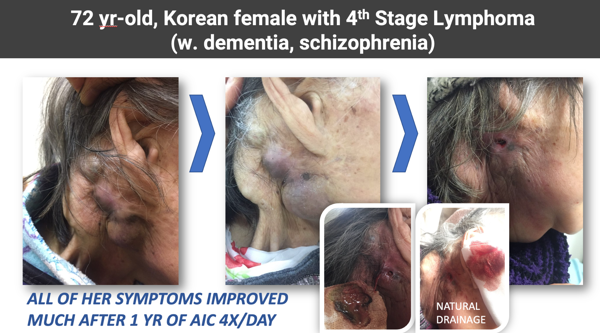
A 72-year-old Korean female with stage 4 lymphoma, also suffering from dementia and schizophrenia, was treated with anti-orbital bonding ionic calcium (AIC) therapy four times a day for one year. Throughout the treatment, significant improvements in her symptoms were observed. The images show a reduction in the size of the lymphatic tumor and natural drainage of the affected area. So evidence supports the effectiveness of AIC therapy in managing advanced lymphoma and associated symptoms, leading to improved quality of life for the patient.
Bring calcium signaling into your practice.
Practitioners can request a consultation to discuss AIC therapy and how these mechanisms apply to specific cases.
Newsletter content is educational and contributed by participating healthcare practitioners. These statements have not been evaluated by the FDA and are not intended to diagnose, treat, cure, or prevent any disease.