The Impact of AIC Therapy on Multiple Myeloma
AIC therapy has demonstrated potential in addressing critical factors in multiple myeloma(MM), offering a novel approach that may influence outcomes in previously unexplored ways.
Introduction
MM is a malignancy that primarily affects plasma cells, a vital component of the immune system found in bone marrow. Proper calcium regulation is a key factor in managing bone health and cellular function in MM patients. Dysregulation of calcium levels not only worsens the severity of MM but also contributes to a range of serious complications, significantly impacting patient outcomes.
As the second most common hematological malignancy, MM is characterized by its relentless progression, frequent relapses, and high mortality rate. Current therapeutic approaches for MM often lead to three to four relapses over months or years, inevitably resulting in disease progression and death.
One of the critical factors in MM progression is the imbalance in bone metabolism, where heightened osteoclast activity drives bone destruction, and diminished osteoblast function hampers bone formation. This imbalance accelerates disease progression.
AIC Therapy plays a critical role in combatting MM progression by stimulating bone formation, reducing osteoclast activity, and inhibiting the growth of myeloma cells, ultimately aiding in preventing relapses and disease advancement. Furthermore, cancer cells manipulate calcium channels and transporters to circumvent normal calcium regulation, promoting MM progression. AIC therapy addresses this by triggering endogenous calcitonin, which enhances bone turnover and improves calcium transport to the bones, offering a potentially superior treatment option for managing MM.
As a novel therapeutic approach, AIC therapy holds the potential to improve patient outcomes for those battling MM significantly. This newsletter explores how AIC therapy, by targeting critical aspects of bone health and calcium regulation, can elevate the quality of life for patients with this challenging disease.
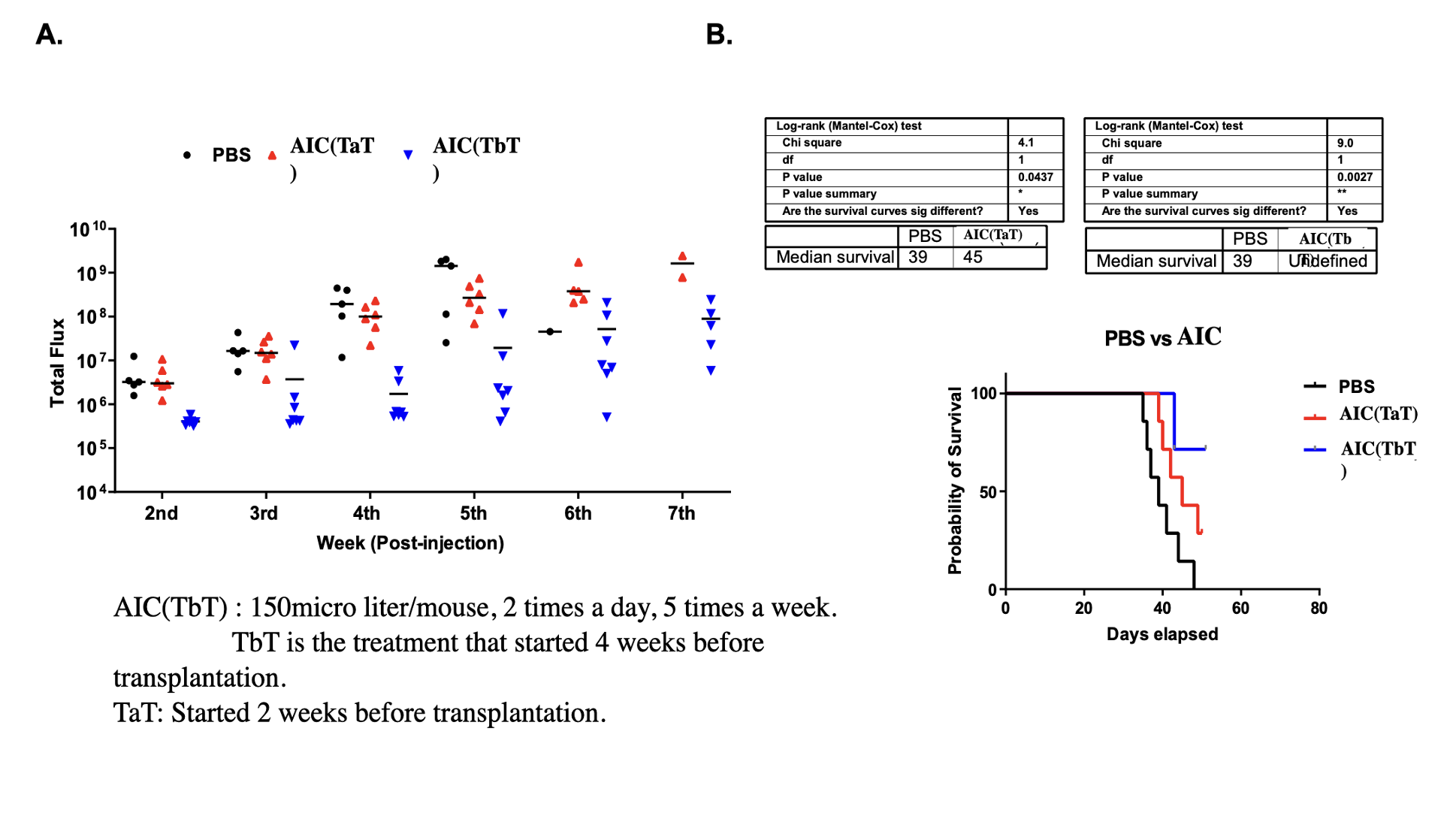
The figure illustrates AIC(TaT) group, starting two weeks before transplantation, and AIC(TbT) group, starting four weeks before transplantation. These protocols were designed to assess the effectiveness of AIC in decreasing disease burden and enhancing survival outcomes(A) that mice treated with AIC(TbT) consistently showed a lower disease burden over time compared to PBS and AIC(TaT), highlighting the effectiveness of early AIC administration in reducing disease progression and the possibility of relapses. Early AIC (TbT) administration significantly extends survival in multiple myeloma models. Adjusting AIC administration timing enhances its therapeutic effectiveness in managing multiple myeloma.
Previously unspecified (Study of the Role of AIC in MM and Erythropoietin-Induced Osteoporosis Pre-clinical Study University of Arkansas for Medical Science (UAMS) Myeloma Center)
Enhancing Bone Health and Reducing Relapse in MM
AIC therapy has shown great promise in addressing the critical issue of calcium dysregulation in multiple myeloma, offering a novel way to combat bone damage and disease progression.
Study of the Role of AIC in MM and Erythropoietin-Induced Osteoporosis Pre-clinical Study: The University of Arkansas for Medical Science (UAMS) Myeloma Center conducted a mouse model study evaluating AIC's potential in reducing bone damage and preventing multiple myeloma (MM) recurrence. AIC therapy triggers endogenous calcitonin, which upregulates bone turnover. In patients with multiple myeloma, exogenous calcitonin was previously used but became unusable due to its numerous side effects until AIC, which triggers the endogenous release of calcitonin. In other words, the naturally occurring calcitonin in the body was released endogenously through AIC therapy to transport calcium to the bone.
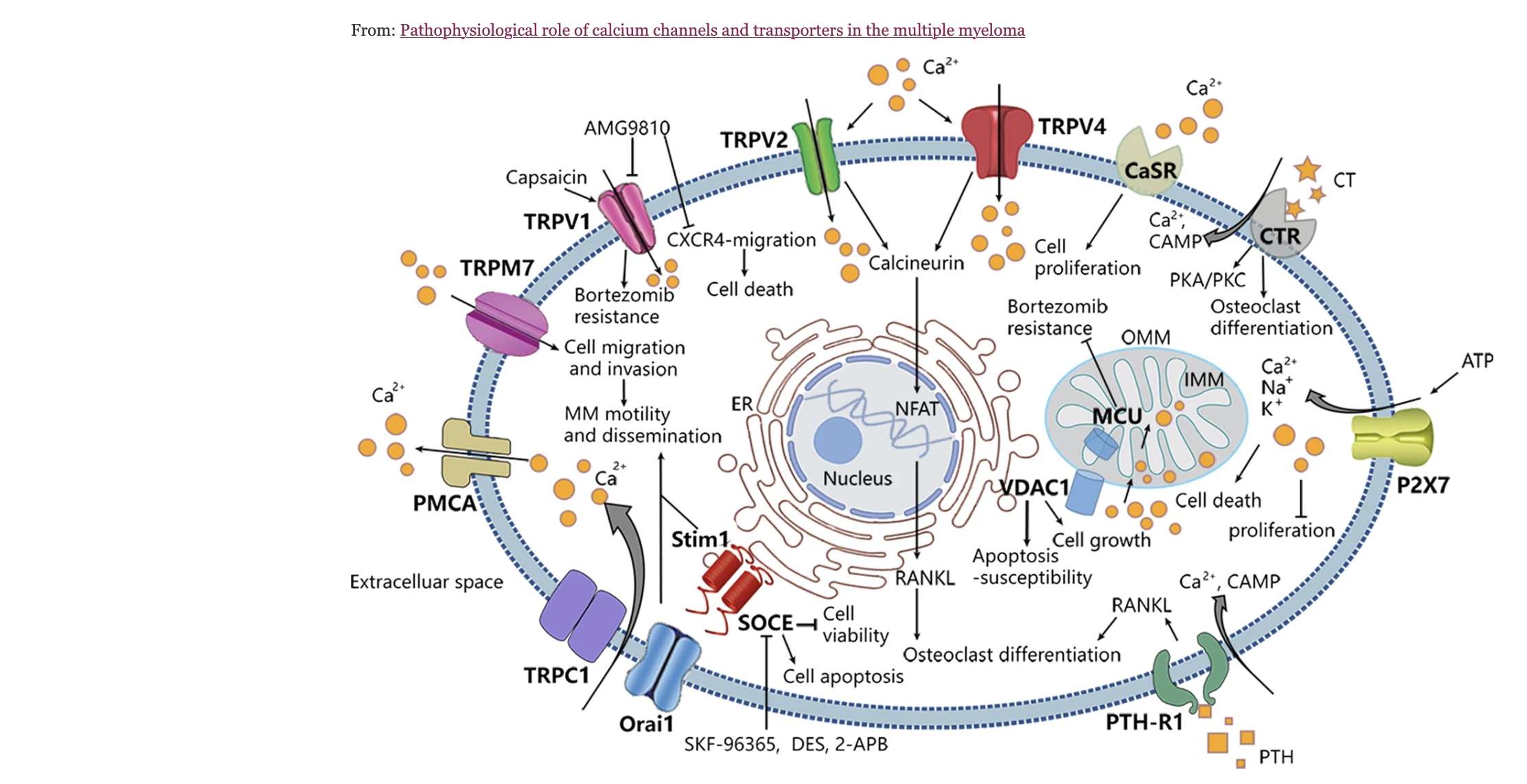
https://biosignaling.biomedcentral.com/articles/10.1186/s12964-021-00781-4
This figure illustrates key calcium channels and transporters that regulate calcium levels in multiple myeloma cells. It highlights how calcium enters cells through plasma membrane channels like transient receptor potential channels, G-protein-coupled receptors, and purinergic receptors and how calcium is stored or released through the endoplasmic reticulum and mitochondria. Calcium controls critical processes in multiple myeloma, such as gene transcription, cell growth, migration, and programmed cell death. The dysregulation of these calcium channels contributes to the progression of multiple myeloma, making them potential targets for improving patient outcomes.
Clinical Case 1
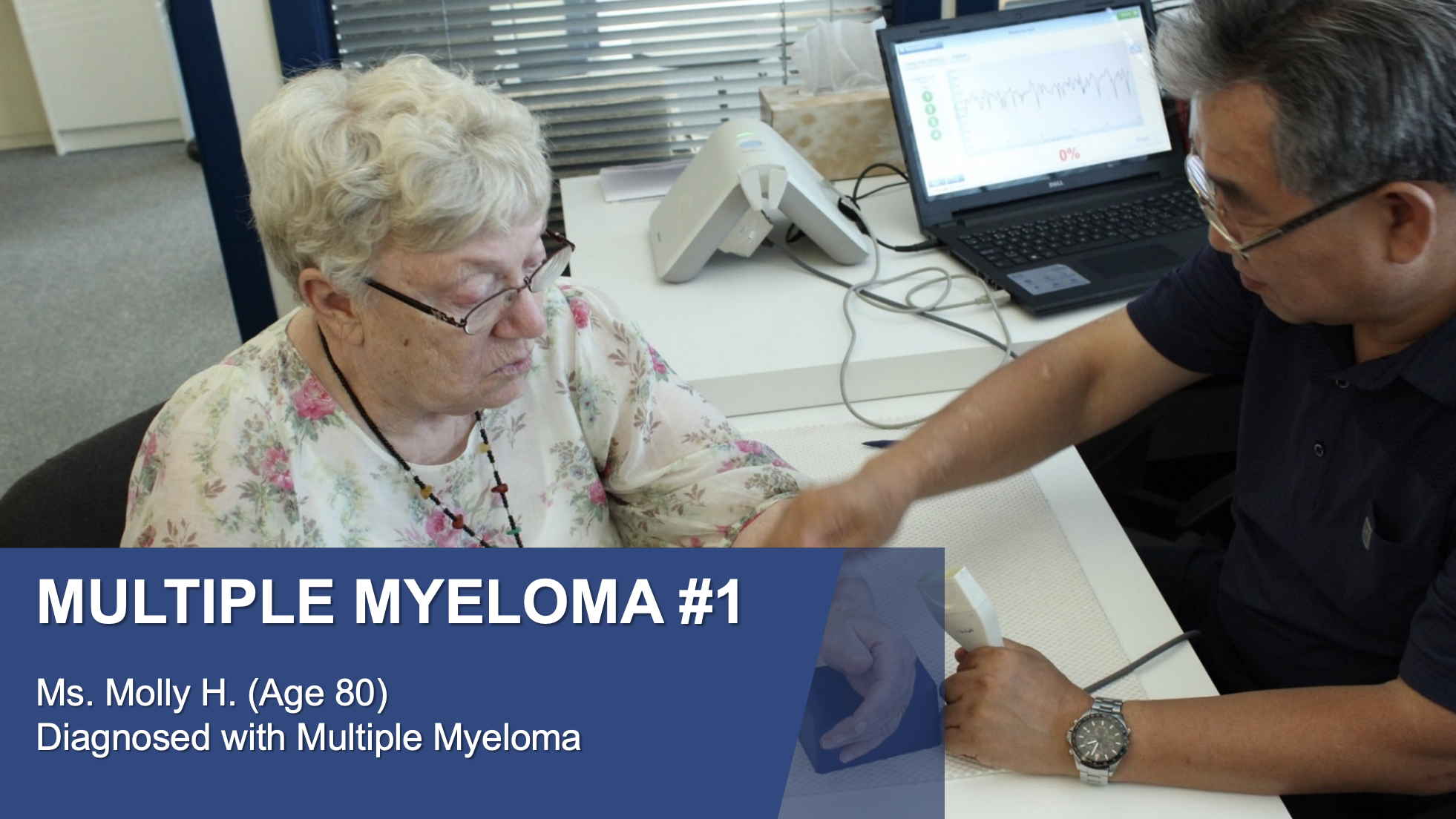
An 80-year-old female patient was diagnosed with multiple myeloma (MM). Upon initiating AIC therapy, her hematological parameters, including platelet count, white blood cell count (WBC), and neutrophil count, were normalized, and she was declared cancer-free. The chemotherapy-induced kidney damage also showed significant recovery, with the glomerular filtration rate (GFR) improving from 12 to 62.
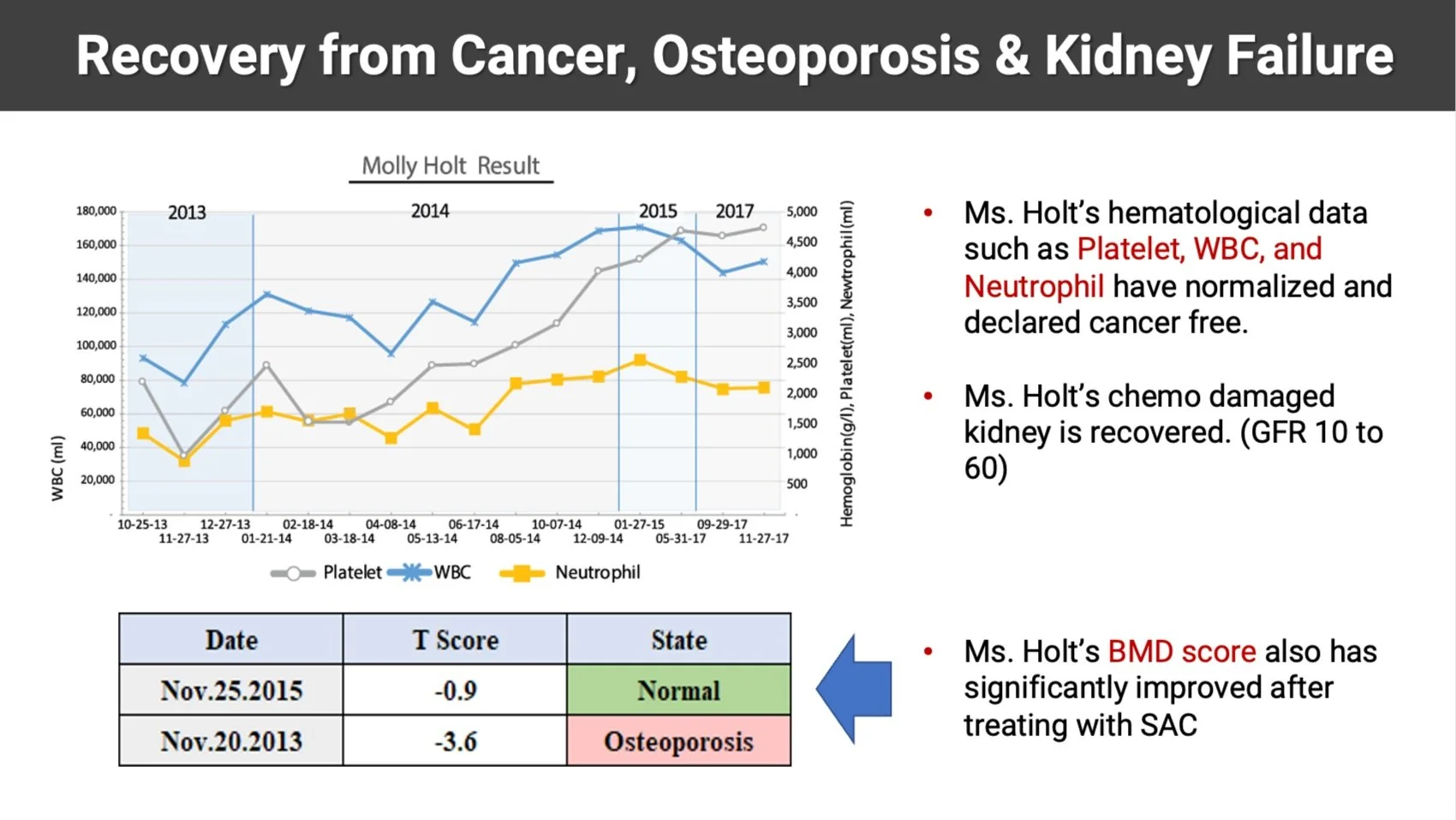
Remarkably, Ms. Holt's bone mineral density (BMD) score also significantly improved following AIC treatment, leading to a full recovery from osteoporosis.
Conclusion
AIC offers management in MM by enhancing bone health, regulating the PTH axis, and reducing relapse frequency. Current evidence indicates that AIC can more effectively reduce bone destruction, promote bone formation, and prevent disease recurrence.
Bring calcium signaling into your practice.
Practitioners can request a consultation to discuss AIC therapy and how these mechanisms apply to specific cases.
Newsletter content is educational and contributed by participating healthcare practitioners. These statements have not been evaluated by the FDA and are not intended to diagnose, treat, cure, or prevent any disease.