
Introduction
Cancer is now seen as a channelopathy, where irregular ion channel functions contribute to cancer development by disrupting cellular ionic homeostasis. Recent studies highlight that targeting the sarco/endoplasmic reticulum Ca²⁺-ATPase (SERCA) and related ion channels can modulate intracellular calcium levels, suppressing leukemia.
By explicitly targeting SERCA and other calcium-handling proteins, the AIC-SG compound effectively increases intracellular calcium levels, creating a hostile environment for leukemia cells and inhibiting their growth and survival. This triggers oxidative stress, mitochondrial dysfunction, and the release of pro-apoptotic factors, leading to apoptosis. The disturbance in calcium homeostasis also impairs crucial cell survival and proliferation signaling pathways.
Understanding this relationship opens new avenues for therapeutic interventions, with AIC-SG compounds exploiting vulnerabilities in calcium regulation within leukemia cells to provide a targeted strategy against this malignancy.
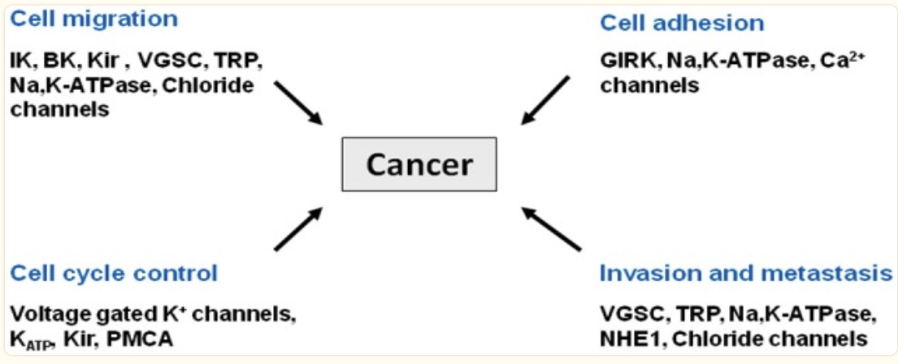
Cancer can be considered a channelopathy, where mutations, loss of function, and abnormal expression of ion channels and transporters are linked to various cancers. These irregularities contribute to abnormal cell migration, adhesion, and cycle control, leading to the invasive behavior seen in metastasis.
Exploiting CaSR in Leukemia Stem Cells
CaSR (calcium-sensing receptor) affects leukemia cell behavior and survival. Since leukemia stem cells have higher CaSR levels compared to more mature blood cells, AIC-SG disrupts calcium homeostasis in leukemia stem cells by targeting these higher CaSR levels, ultimately destroying them. AIC-SG can effectively kill leukemia cells by exploiting their calcium management weaknesses, enhancing treatment effects.
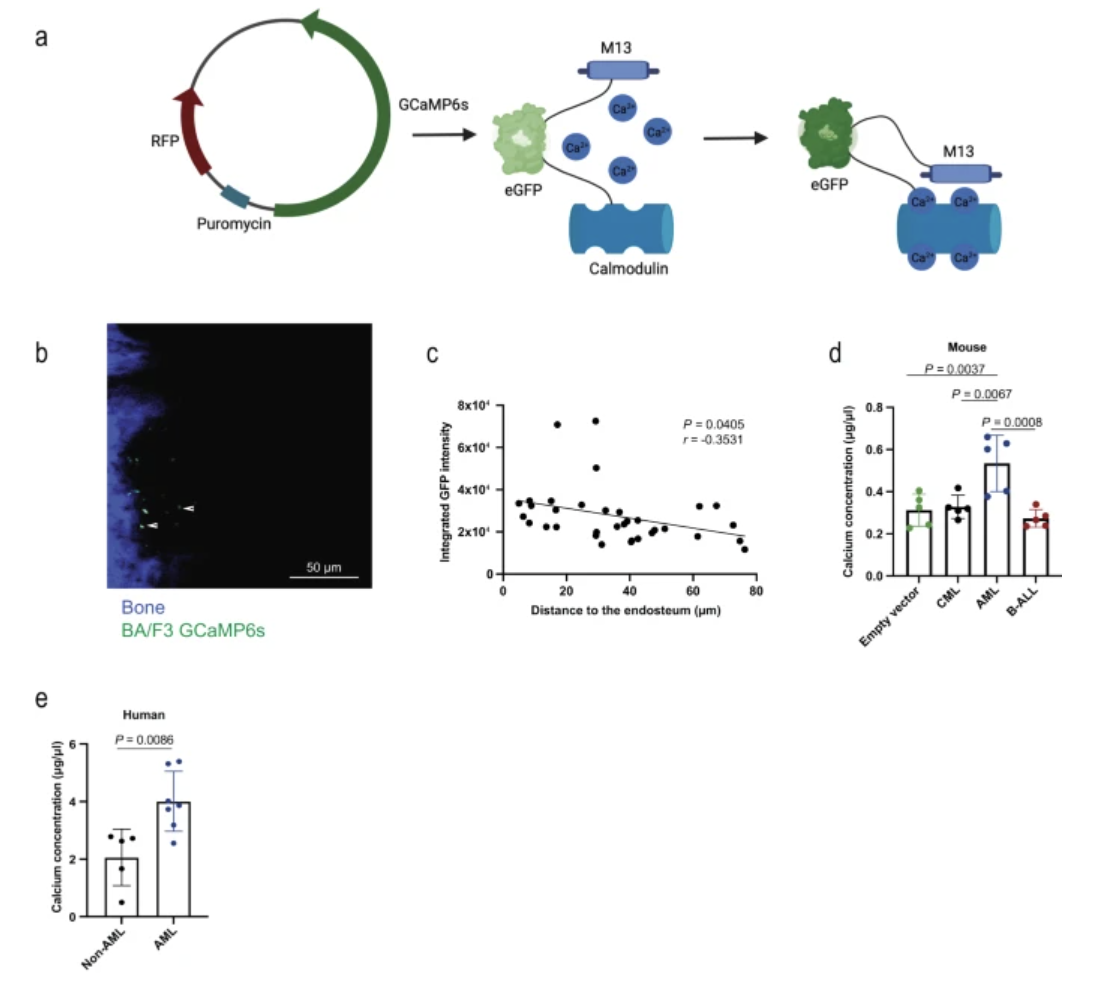
The calcium indicator GCaMP6s visualizes calcium levels in leukemia cells. Leukemia cells show higher calcium levels than normal cells, which affects their behavior and survival.
AIC-SG-Induced Apoptosis in Leukemia Cells
The increased calcium levels cause the P53 gene in cancer cells to no longer bind to NF-kB, thereby reactivating P53 for apoptosis. By achieving elevated intracellular calcium levels, AIC-SG triggers apoptosis in cancer cells.
Clinical case 1
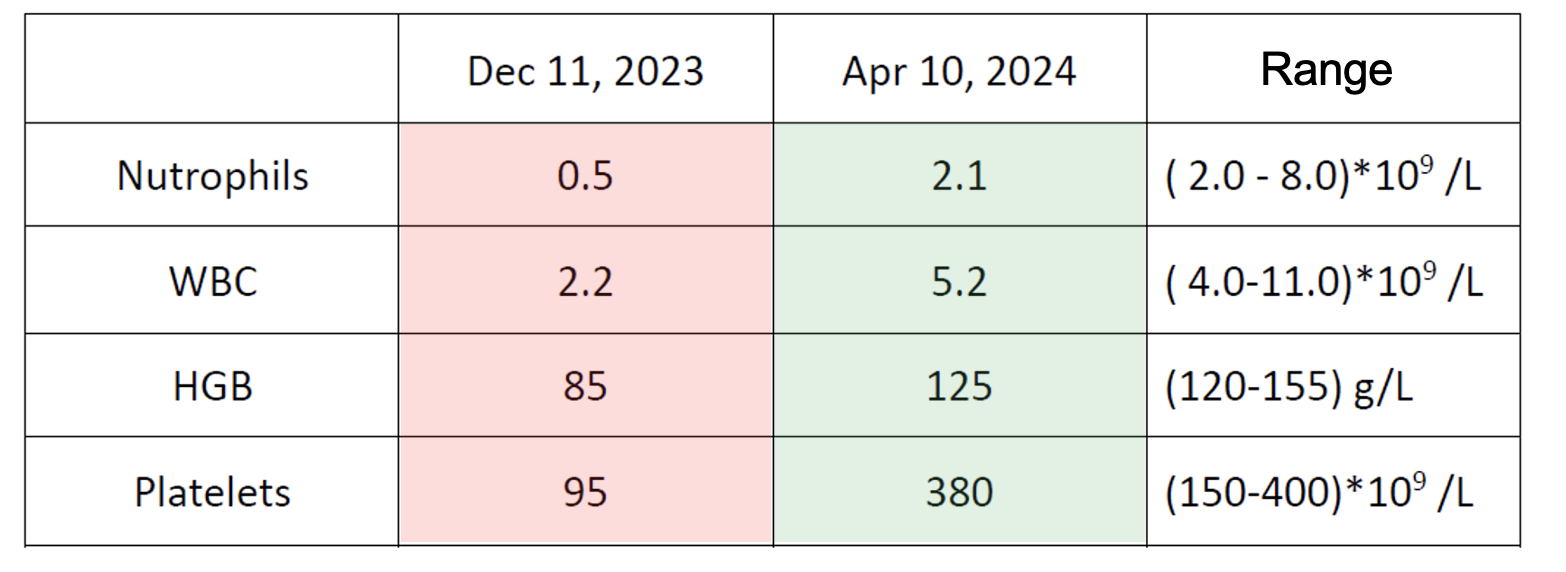
A 72-year-old woman from Vancouver General Hospital, diagnosed with Acute Myeloid Leukemia with Myelodysplasia (AML-MRC), showed significant improvement in her blood counts over four months. Initial tests in December 2023 revealed low neutrophils, white blood cells, hemoglobin, and platelets. By April 2024, her blood counts had improved significantly, indicating a positive response to AIC-SG treatment.
Clinical case 2
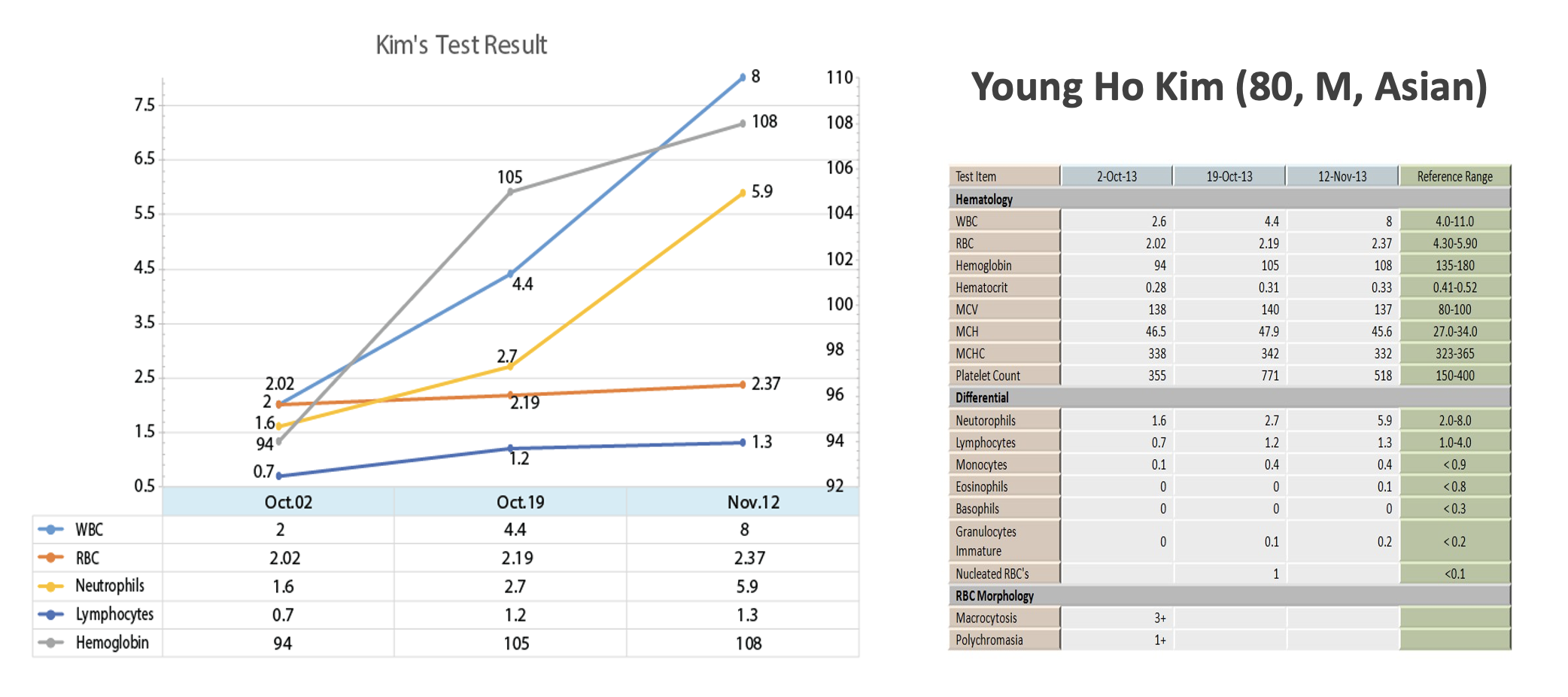
Young Ho Kim, an 80-year-old Asian male with leukemia, showed significant improvement in his blood counts over a six-week period in 2013. Initially, his white blood cell count, red blood cell count, hemoglobin levels, and other related parameters were low. By November 12, his blood counts had increased substantially.
Conclusion:
Integrating AIC-SG therapy into leukemia treatment focuses on targeting the elevated intracellular calcium levels specific to leukemia cells, disrupting their calcium homeostasis. This approach not only triggers apoptosis in leukemia stem cells but also neutralizes the supportive microenvironment these cells thrive in, all without any side effects.
Bring calcium signaling into your practice.
Practitioners can request a consultation to discuss AIC therapy and how these mechanisms apply to specific cases.
Newsletter content is educational and contributed by participating healthcare practitioners. These statements have not been evaluated by the FDA and are not intended to diagnose, treat, cure, or prevent any disease.