Part 2of 4 ( Series on oncology)
Boosting Cancer Cell Visibility for Immune Targeting
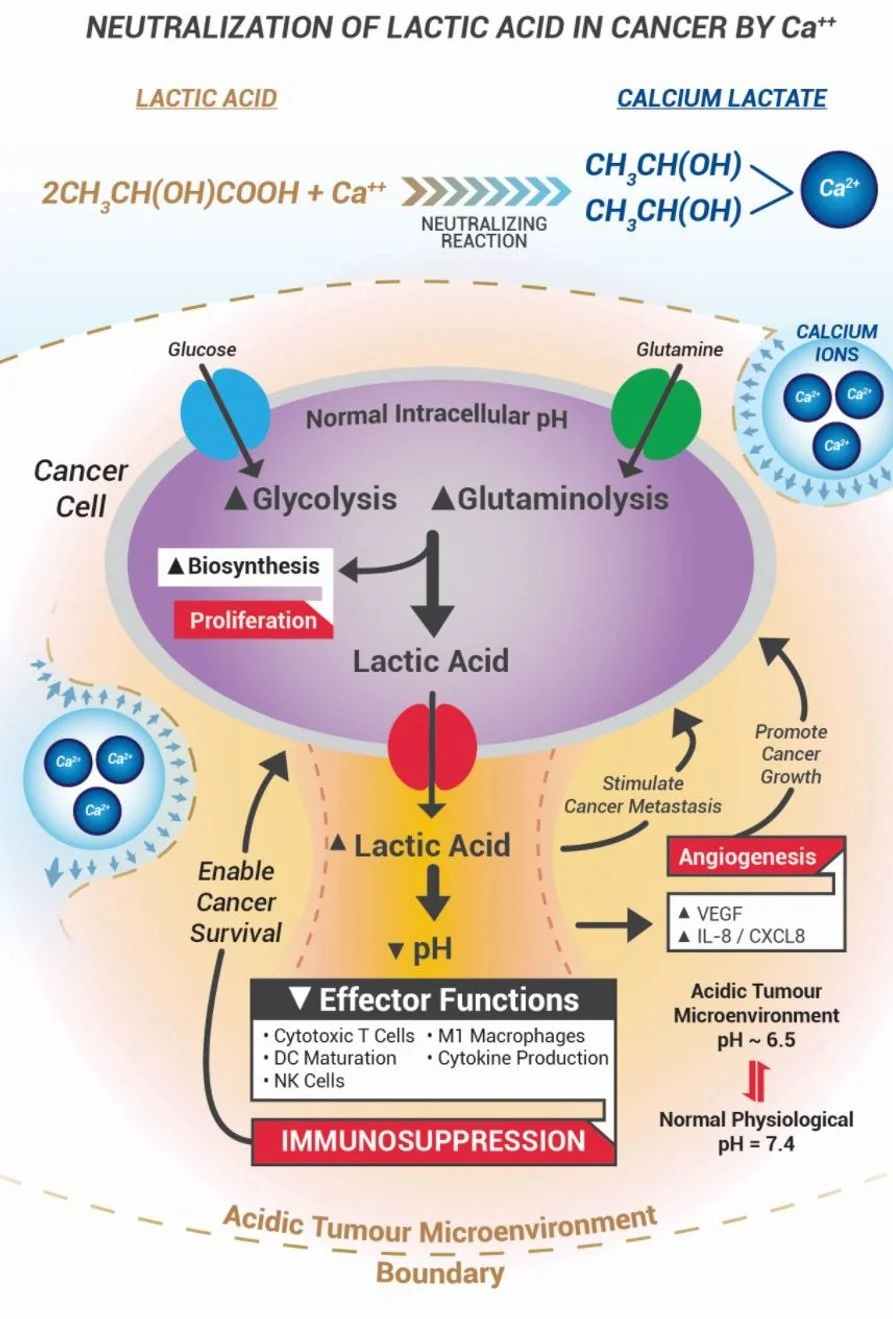
Cancer cells thrive in an acidic microenvironment due to increased glycolysis and lactic acid production, known as the Warburg effect. This acidic environment promotes cancer cell invasion and metastasis. Anti-Orbital Ionic Calcium (AIC) therapy alters the microenvironment of cancer cells to be more alkaline, making the cancer cells more visible to the immune system. Additionally, AIC therapy combines with ammonia to prevent the production of glutamine, a vital energy source for cancer cells. This dual action weakens the cancer cells and enhances the immune system's ability to target and destroy them.
Introduction
The extracellular release of lactic acid by cancer cells leads to an acidic tumor microenvironment, which not only promotes cancer cell proliferation and invasion but also inhibits the activity of immune cells, making the tumor more resistant to immune system attacks. The acidic tumor microenvironment in cancer enhances the expression of the immune checkpoint protein PD-L1 through the activation of the STAT3 signaling pathway. This process facilitates immune evasion and promotes tumor progression. Cancer cells can evade immune surveillance by maintaining an acidic microenvironment that inhibits T-cell function. Extracellular acidosis, a hallmark of the tumor microenvironment in cancer, promotes tumor progression by suppressing immune cell activity and facilitating cancer cell metastasis and proliferation. Therefore, AIC therapy represents an effective treatment for cancer by neutralizing the acidic microenvironment.
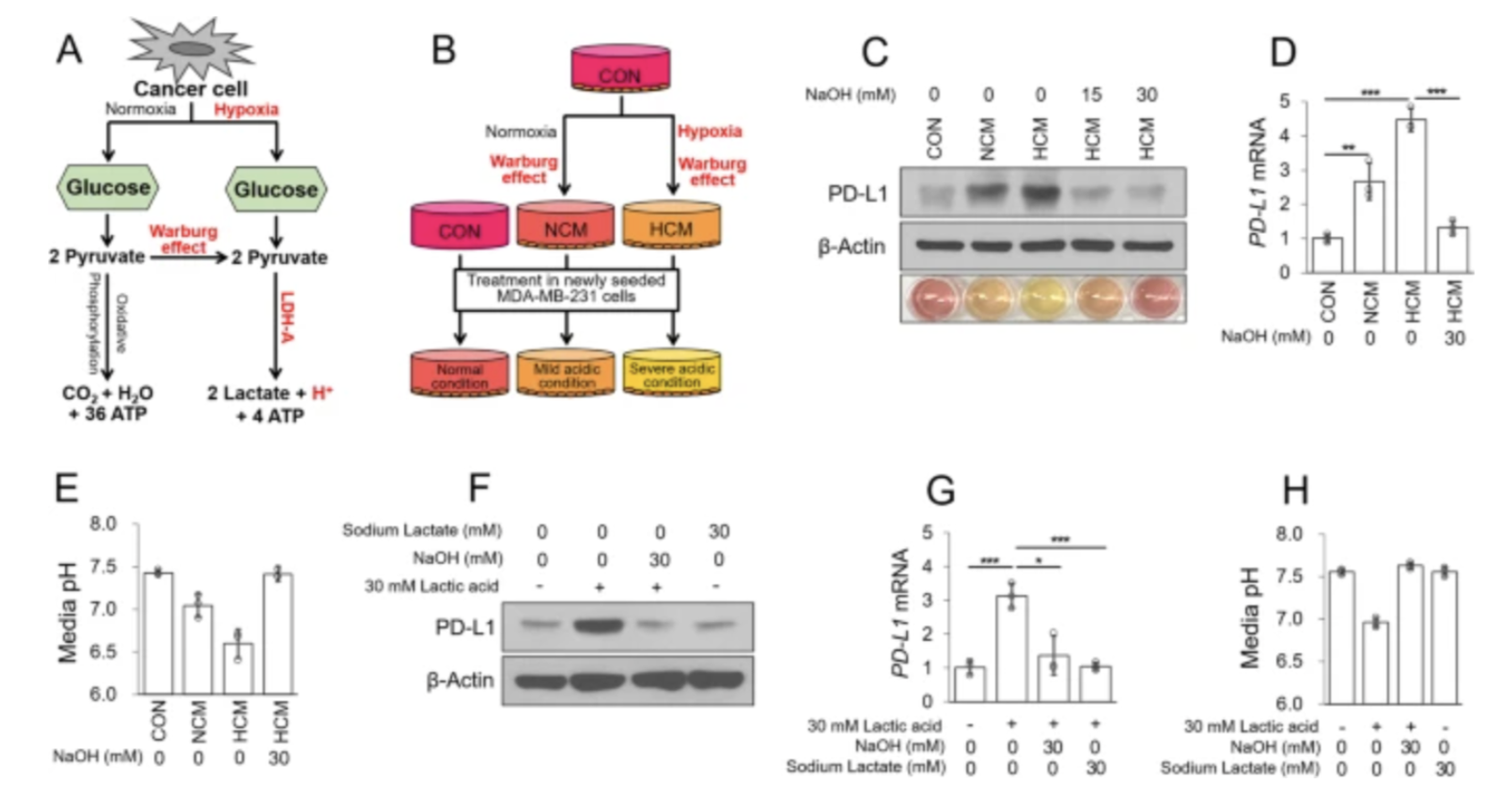
(https://bmccancer.biomedcentral.com/articles/10.1186/s12885-022-09956-9)
Neutralizing Tumor Acidity
AIC Therapy, when administered, interacts with the acidic microenvironment commonly found in breast cancer tumors, leading to a neutralization of the low pH conditions. releasing calcium ions with AIC Therapy that increases the tumor's pH levels. This neutralization disrupts cancer cells' metabolic processes, making them more susceptible to apoptosis. AIC therapy combines with ammonia, forming a stable complex called calcium hexamine (Ca(NH3)6), which reduces the availability of ammonia in the body. This neutralization process helps maintain the body's pH balance and inhibits the production of glutamine, a crucial energy source for cancer cells, limiting their growth and proliferation. By mitigating acidity, ionic calcium enhances the direct cytotoxic effects on cancer cells and improves the efficacy of immune response in killing cancer cells.
Clinical case 1
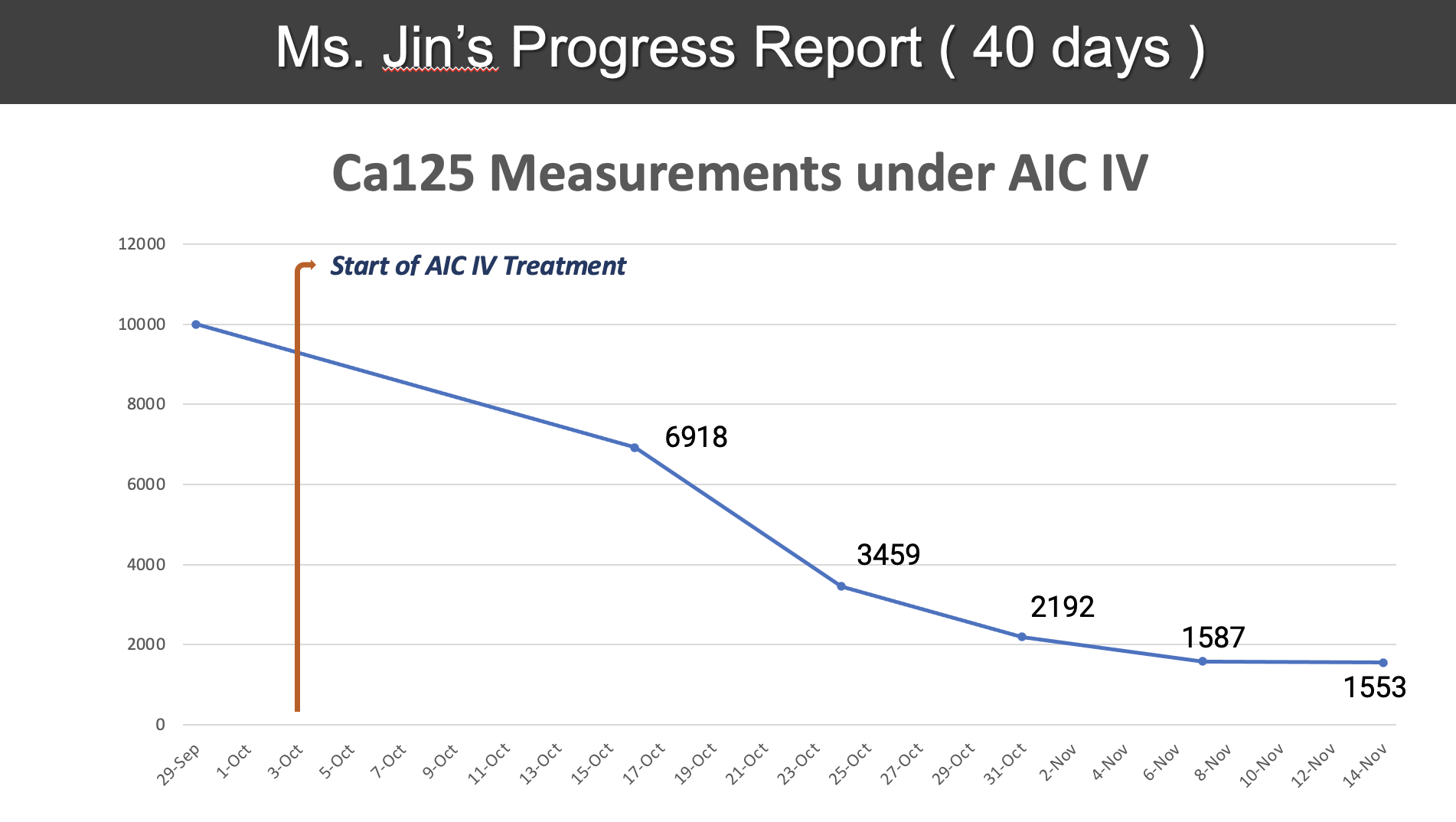
A 59-year-old woman from Zhejiang, China, diagnosed with stage IV ovarian cancer in 2019, initially underwent an oophorectomy. However, in October 2019, her chemotherapy and radiation treatments were discontinued due to her Ca125 levels rising above 10,000 and the continued spread of cancer. At this point, AIC treatment was introduced, and 10ml of IV AIC was administered in 250ml of 0.9 saline solution twice daily, with no other therapies. Within two months of starting AIC therapy, she experienced significant improvements in her quality of life, including increased appetite, better nutritional absorption, and the elimination of stomach discomfort. She no longer needed sleeping pills to fall asleep, and her difficulties with urination and defecation were alleviated, making her morning bathroom trips possible again. Emotionally brighter and more lively, she resumed gardening and household activities, with her Ca125 levels showing a consistent decline, stabilizing around 2,000.
Clinical case 2
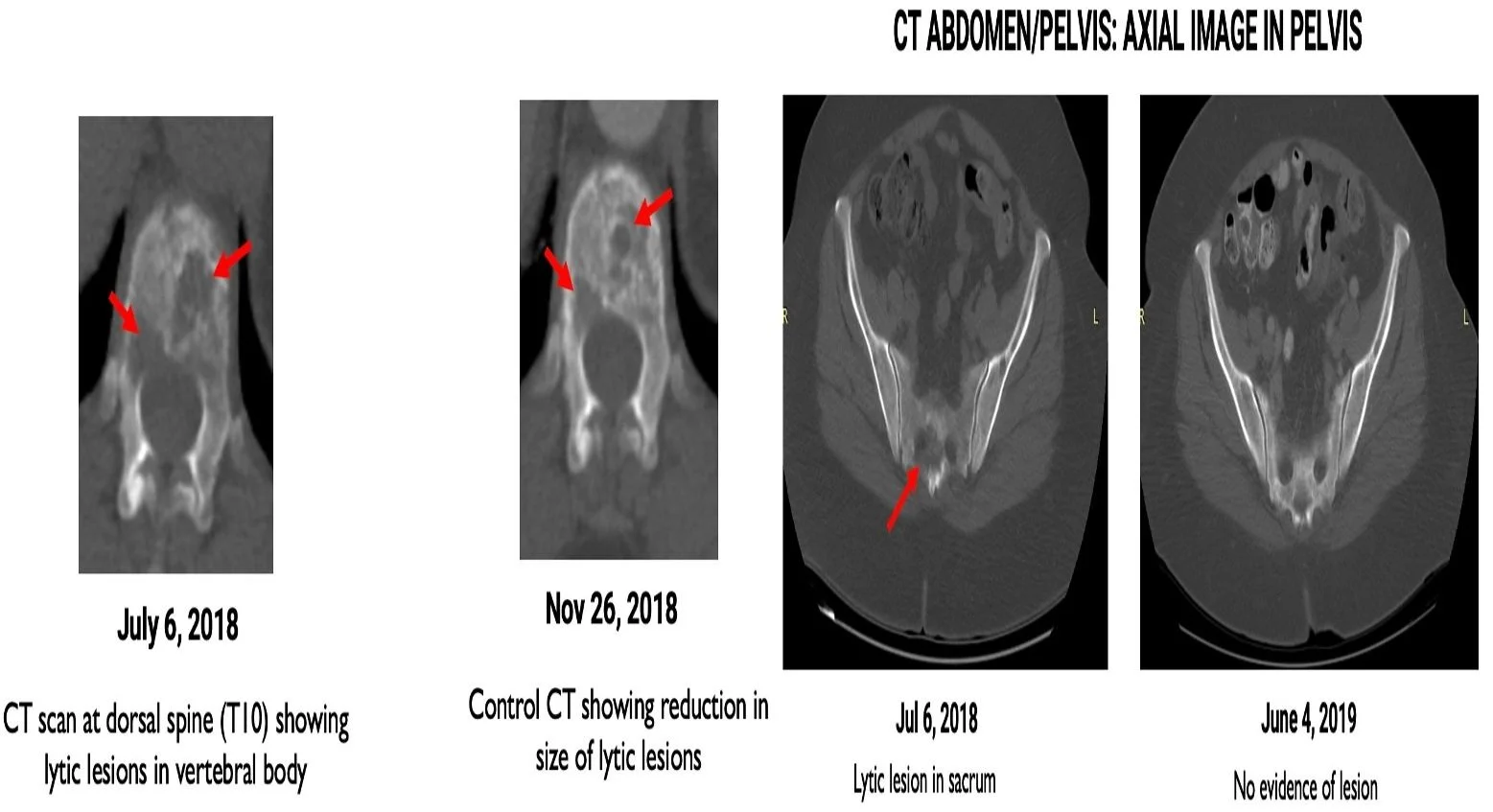
An 80-year-old woman diagnosed with stage IV triple-negative breast carcinoma (TNBC) in July 2018, with extensive bone metastasis, began AIC treatment following multiple previous treatments, including thyroidectomy and hysterectomy. Despite significant health challenges, including the loss of her husband to cancer in 2017, the patient’s CT scans from July 2018 showed lytic lesions in the vertebral bodies and sacrum. Following the administration of AIC treatment, control CT scans in November 2018 and June 2019 demonstrated a reduction in the size of lytic lesions, with some lesions showing no evidence of disease. By September 2021, the patient continued to manage her active disease well, with significant radiological improvements,
Conclusion:
AIC therapy shows promise in addressing cancer by neutralizing the acidic environments in which cancer cells thrive. By making the tumor microenvironment more alkaline, AIC therapy helps the immune system better recognize and target cancer cells. It also reduces the production of glutamine, an essential energy source for these cells. This dual approach not only disrupts the cancer cells' metabolism but also enhances the immune system's effectiveness in combating cancers.
Bring calcium signaling into your practice.
Practitioners can request a consultation to discuss AIC therapy and how these mechanisms apply to specific cases.
Newsletter content is educational and contributed by participating healthcare practitioners. These statements have not been evaluated by the FDA and are not intended to diagnose, treat, cure, or prevent any disease.