( Part 2 of 3 )
Series on Cellular Approach to Longevity by Calcium
This newsletter series, "Cellular Approach to Longevity by Calcium," delves into calcium’s multidimensional influence on health beyond its traditional role in bone strength. The second part investigates Calcium's Role in Longevity: Optimizing Bone Health, Cellular Signaling, and Inflammation Control. The third part brings it all together, highlighting Calcium’s Role in Systemic Communication and Cellular Resilience. The series highlights how this essential mineral orchestrates body-wide synergy for sustained vitality and healthy aging.
Calcium and Longevity: Unlocking Cellular Resilience and Lifespan Potential
Calcium is central to longevity, acting as a critical regulator of bone health, cellular signaling, and inflammation control. In the skeletal system, calcium provides structural integrity and serves as a reservoir for maintaining systemic homeostasis, vital for minimizing age-related bone loss and fractures. Beyond its skeletal functions, calcium is pivotal in supporting mitochondrial bioenergetics and synaptic transmission, essential for cellular health and resilience to aging. Dysregulation of calcium channels, such as the mitochondrial calcium uniporter (MCU), can lead to oxidative stress and mitochondrial dysfunction, accelerating cellular senescence.
Calcium ion channels like TRPM2 and L-type voltage-gated channels directly impact neurodegeneration and lifespan by influencing neuronal excitability and oxidative stress responses. Additionally, calcium regulates inflammation by mediating immune cell responses and preventing chronic neuroinflammation, a hallmark of many age-related diseases. Calcium-dependent processes, such as autophagy regulated by TRPML1 in lysosomes, play a vital role in clearing damaged cellular components, maintaining proteostasis, and reducing the burden of aging. Therapies targeting calcium channels and transporters have shown promise in extending lifespan, reducing neuroinflammation, and improving mitochondrial function.
Recent insights have highlighted the potential of antiorbital ionic calcium (AIC) in optimizing these calcium-dependent processes. By directly influencing mitochondrial health, inflammation control, and autophagy, AIC therapy represents a promising approach for addressing cellular decline and promoting longevity. Balancing calcium's dynamic roles within cells is emerging as a cornerstone for extending health span and mitigating the effects of aging.
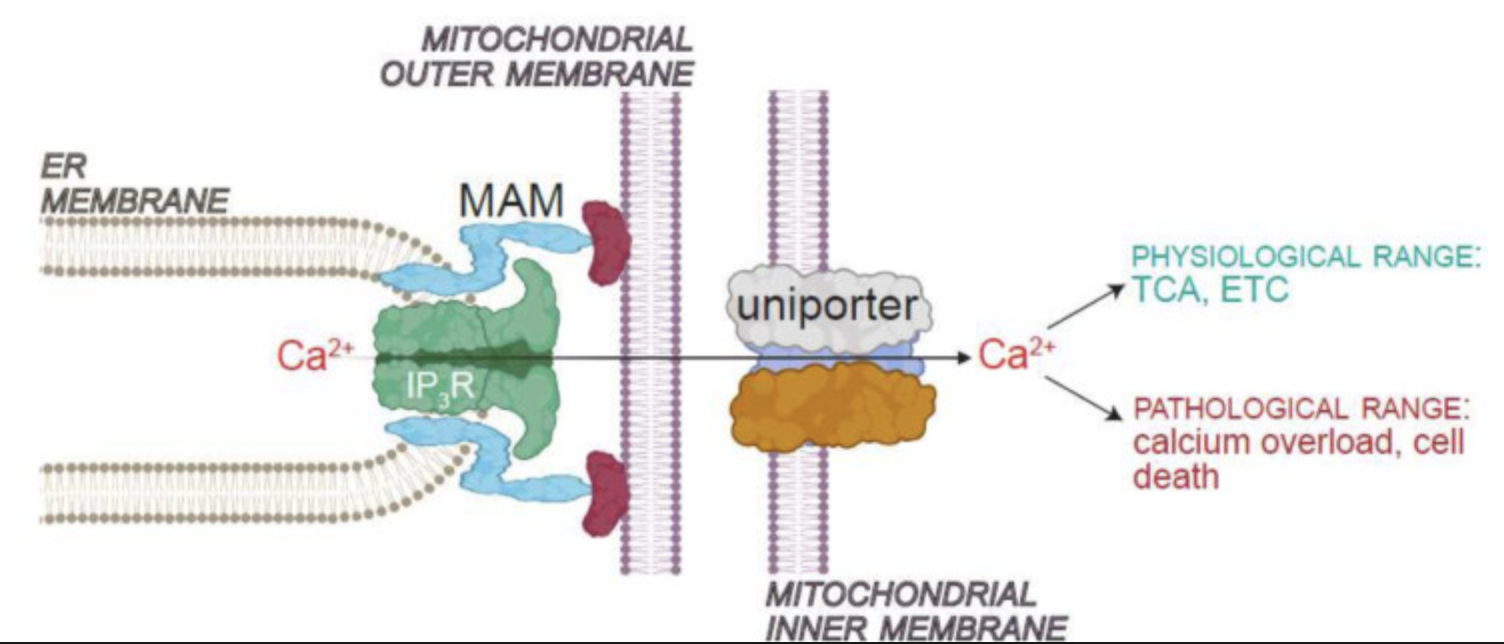
This figure illustrates the calcium (Ca²⁺) transfer process between the endoplasmic reticulum (ER) and mitochondria, emphasizing its importance in cellular function and the consequences of dysregulation. The ER and mitochondrial outer membranes are physically connected at specialized sites known as mitochondria-associated membranes (MAMs), facilitating metabolite exchange between the two organelles. A subset of inositol trisphosphate receptors (IP₃Rs) localizes to these MAMs, mediating the release of Ca²⁺ from the ER lumen into the perimitochondrial space. From there, the inner membrane's mitochondrial calcium uniporter (MCU) transports Ca²⁺ into the mitochondrial matrix. This calcium uptake is essential for mitochondrial bioenergetics, as it stimulates enzymes involved in the tricarboxylic acid (TCA) cycle and electron transport chain (ETC), enhancing ATP production. However, excessive calcium transfer can lead to mitochondrial Ca²⁺ overload, causing dysfunction, oxidative stress, and ultimately cell death. This balance between physiological Ca²⁺ signaling and pathological Ca²⁺ overload underscores its critical role in maintaining cellular health and function.
Targeting Aging with Precision: Calcium’s Role in Bone Integrity, Inflammation, and Vascular Health
Calcium plays a foundational role not only in maintaining skeletal integrity but also in supporting systemic processes that influence longevity. As we age, an imbalance in bone remodeling leads to increased calcium mobilization from bones to maintain systemic levels, contributing to skeletal fragility and vascular calcification. Elevated markers like serum C-terminal cross-linking telopeptide (S-CTX) highlight the accelerated resorption associated with aging, while calcium deposits in arterial walls drive vascular aging, increasing the risk of cardiovascular disease.
Beyond bone health, calcium's role in immune regulation is pivotal for controlling inflammation, a critical factor in age-related degeneration. Dysregulated calcium signaling in immune cells can amplify chronic low-grade inflammation through excessive secretion of pro-inflammatory cytokines such as interleukin-6 (IL-6). This persistent inflammation accelerates bone loss, vascular damage, and tissue degeneration, further compounding the effects of aging. Proper calcium signaling acts as a natural modulator of inflammatory pathways, helping to prevent the overactivation of immune responses that contribute to age-related diseases.
Parathyroid hormone (PTH), which often rises in older adults, disrupts intracellular calcium signaling and endothelial health, exacerbating vascular dysfunction and oxidative stress. These calcium imbalances destabilize cellular homeostasis, leading to metabolic instability and tissue decline. Research suggests that addressing these imbalances through dietary intake and targeted therapies can mitigate these effects, preserving skeletal and vascular health while enhancing overall systemic resilience.
Emerging evidence positions AIC therapy as a promising intervention to combat these challenges. By enhancing calcium homeostasis, AIC reduces bone resorption, supports skeletal integrity, and mitigates vascular calcification. AIC also restores efficient calcium signaling, stabilizing cellular metabolism and minimizing oxidative stress, which is crucial for maintaining cellular health. Furthermore, AIC modulates immune responses and reduces chronic inflammation, making it a powerful tool for addressing the physiological imbalances of aging.
https://www.sciencedirect.com/science/article/pii/S0143416023000714?via%3Dihub
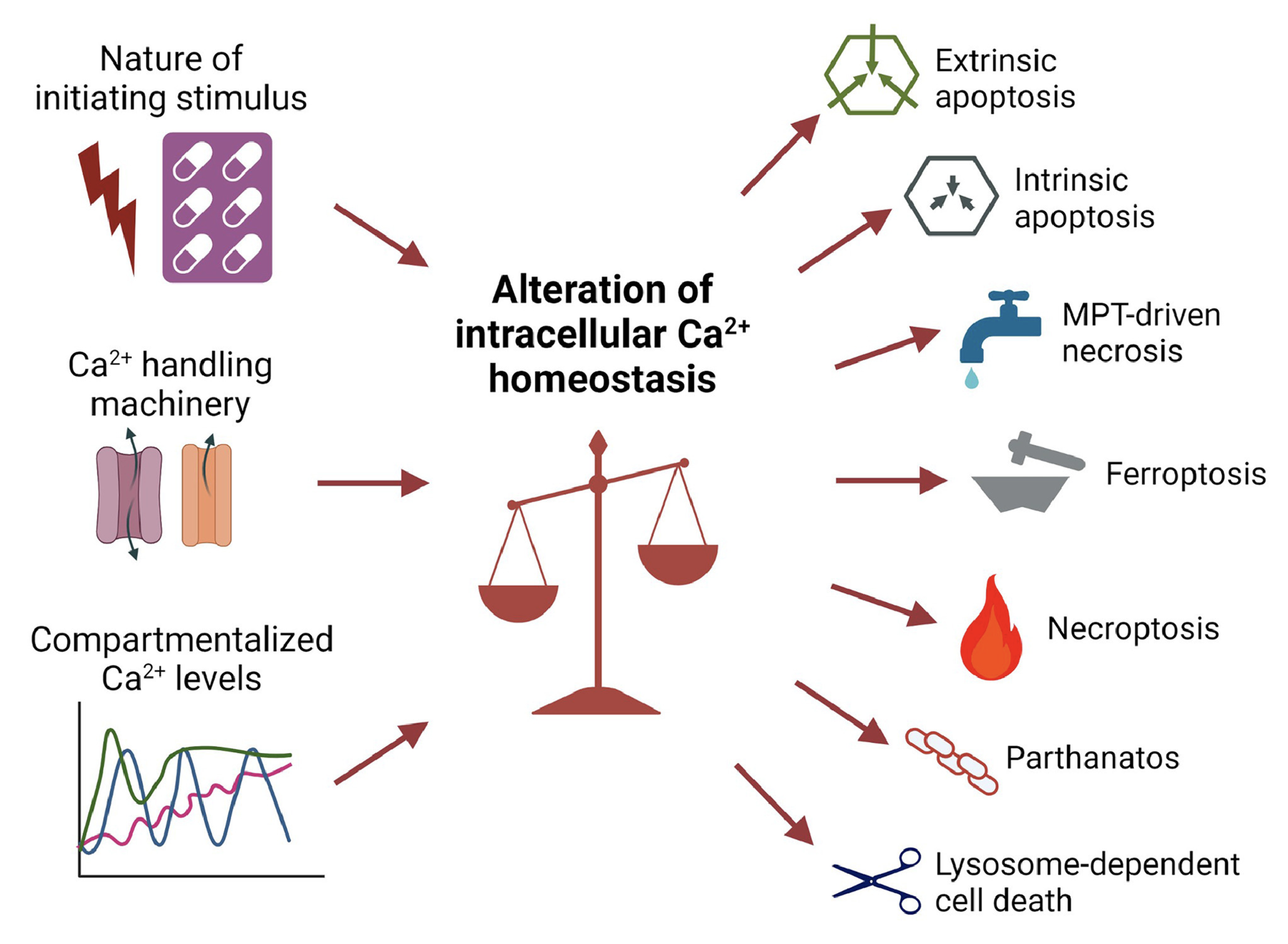
This figure illustrates the intricate relationship between calcium (Ca²⁺) signaling and regulated cell death (RCD), showcasing how the intensity, duration, and compartmentalization of Ca²⁺ fluxes dictate cellular outcomes ranging from survival to various death modalities. It emphasizes the pivotal roles of Ca²⁺ transporters, buffering proteins, and organelle-specific dynamics in shaping cytosolic calcium levels and influencing processes like apoptosis, necroptosis, and ferroptosis. The figure highlights the cross-talk between organelles, particularly the endoplasmic reticulum and mitochondria, which mediates calcium exchange critical for mitochondrial permeability transition and cell fate decisions. Ultimately, it underscores how factors such as Ca²⁺-mobilizing stimuli, expression of transport channels, and localized calcium concentrations orchestrate the cellular response, offering valuable insights into pathophysiology and potential therapeutic interventions.
Case Reflection 1
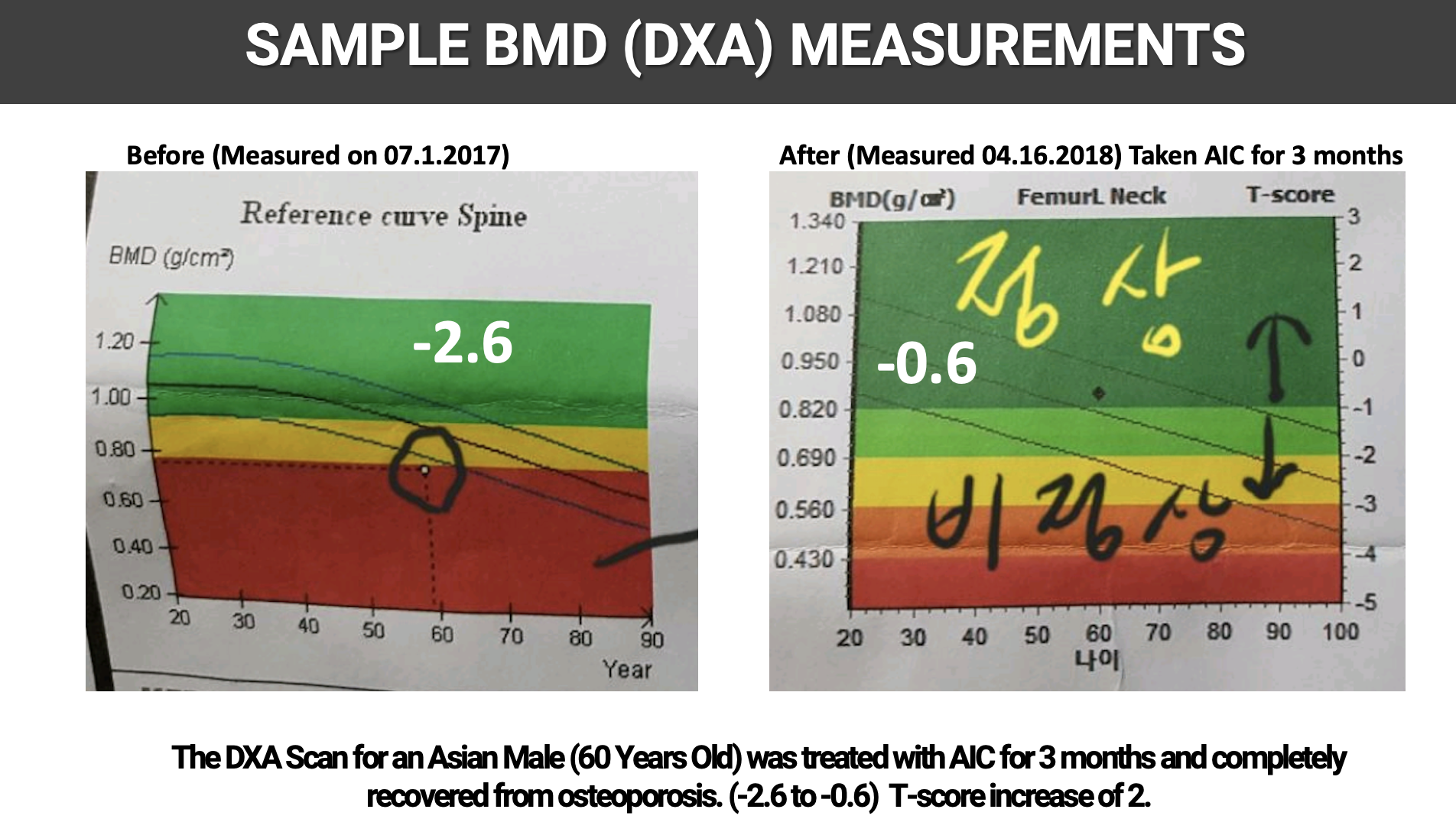
A 60-year-old Asian male presented with osteoporosis, confirmed by a DXA scan on 07.01.2017, showing a T-score of -2.6, placing him at high risk for fractures and related complications. Following a 3-month regimen of AIC therapy, a follow-up DXA scan on 04.16.2018 revealed a remarkable improvement, with the T-score increasing to -0.6. This significant change represents a complete recovery from osteoporosis, highlighting the potential of AIC therapy to restore bone density and reduce fracture risks. Such interventions not only improve skeletal health but also contribute to enhanced longevity and quality of life in older adults.
Case Reflection 2
A 59-year-old male from British Columbia, Canada, diagnosed with mitral valve prolapse—a condition where the mitral valve does not close properly, causing heart strain and symptoms such as severe fatigue and chest pain—experienced a remarkable recovery after Active Ionic Calcium (AIC) therapy. Initially unable to perform basic physical activities like climbing stairs, the patient began AIC therapy in late 2010. Within three months, he reported significant improvements in energy levels and resumed walking on a treadmill. By two months post-therapy, he progressed to jogging. As of 2020, the patient remains free of heart issues, showcasing AIC therapy's potential role in improving cardiovascular health, reversing dysfunctions, and mitigating aging-related calcification processes.
Conclusion
Calcium is pivotal in maintaining cellular health by regulating critical pathways determining cell survival, inflammation control, and energy production. Dysregulated calcium signaling can lead to cellular damage and aging-related diseases, emphasizing the importance of maintaining calcium balance within mitochondria and the body. Therapies targeting calcium homeostasis have demonstrated remarkable potential, such as reversing osteoporosis and improving cardiovascular function, highlighting calcium’s systemic benefits in addressing aging-related decline. By stabilizing calcium-dependent processes like bone remodeling, inflammation regulation, and mitochondrial function, AIC therapy emerges as a powerful intervention to support healthspan, combat aging, and promote longevity.
Bring calcium signaling into your practice.
Practitioners can request a consultation to discuss AIC therapy and how these mechanisms apply to specific cases.
Newsletter content is educational and contributed by participating healthcare practitioners. These statements have not been evaluated by the FDA and are not intended to diagnose, treat, cure, or prevent any disease.