(Part 3 of 3)
Series on What Keeps Teeth and Gums Alive
Part Three covers calcium’s impact on gum recession and highlights its role in enamel remineralization, salivary pH balance, and gingival tissue repair.
How Small Imbalances Can Lead to Big Changes in Gingival Health
Ionic calcium plays a key role in regulating matrix metalloproteinases (MMPs)—enzymes that, when overactive, can break down the extracellular matrix in gingival tissues, leading to gum recession. By keeping MMP activity in check, calcium helps maintain the structural integrity of the gums. Additionally, it strengthens the epithelial barrier by enhancing cell-cell adhesion and forming adherens junctions and desmosomes. This reinforcement makes it harder for harmful pathogens and toxins to penetrate, supporting overall gingival health.
Beyond structural support, ionic calcium is essential for immune cell function, particularly in neutrophils and macrophages. Ensuring a balanced immune response helps control inflammation and resolve periodontal infections. Ionic calcium also stimulates the production of osteoprotegerin (OPG), a glycoprotein that inhibits osteoclast activity, preventing excessive bone resorption—a key factor in gum recession. Additionally, extracellular ionic calcium activates calcium-sensing receptors (CaSRs) in gingival fibroblasts, influencing cell proliferation and cytokine production. This process is vital in maintaining tissue balance and supporting repair in the periodontium.
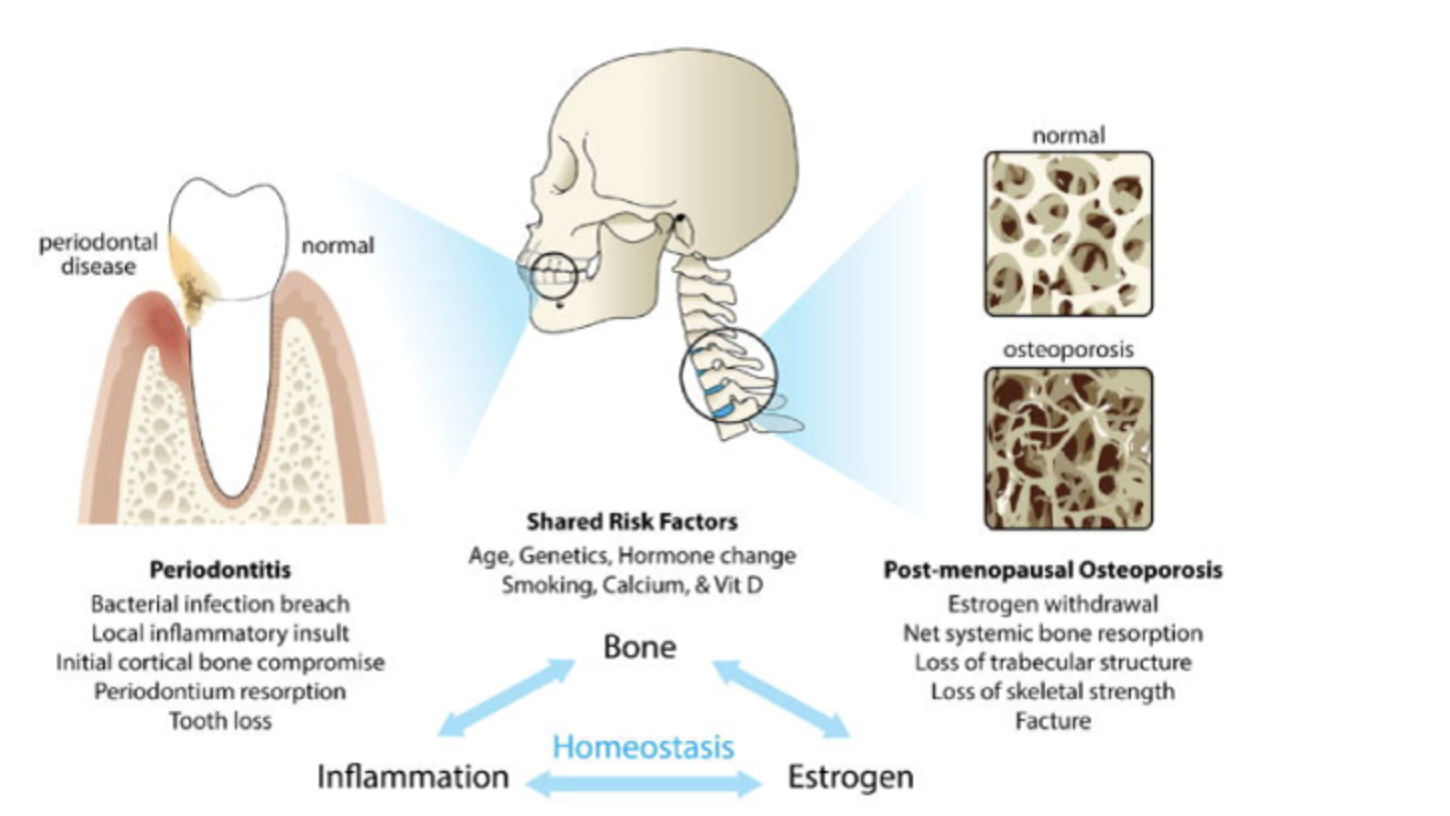
https://www.researchgate.net/publication/335262072_Periodontal_management_in_osteoporosis_patients
A schematic illustration of the relationship between periodontitis and osteoporosis highlights their distinct but interconnected effects on the skeletal system. Periodontitis primarily targets the alveolar cortical bone, causing progressive bone loss around the teeth, while osteoporosis mainly affects trabecular bone, leading to a decline in overall bone density and structural strength. Despite these differences, both conditions share common risk factors, including aging, hormonal imbalances, chronic inflammation, smoking, and poor nutrition. The biological link between them involves increased bone resorption, disrupted calcium homeostasis, and prolonged inflammatory responses—factors that weaken bone health locally and throughout the body.
Cellular Defenses in Periodontal Health
Calcium's influence on periodontal health goes beyond just providing structural support—it plays an active role in cellular resilience and stress response. One of its key functions is stimulating heat shock proteins (HSPs) in gingival cells. These proteins act as molecular chaperones, shielding cells from stress-induced damage, especially in inflammatory conditions. This protective mechanism becomes particularly important in periodontal disease, where oxidative stress and bacterial toxins threaten the survival of gingival tissues. At the same time, ionic calcium helps regulate apoptosis, ensuring a healthy balance in cell turnover. Excessive cell death can weaken gingival structures without proper calcium signaling, while inadequate apoptosis may lead to abnormal tissue overgrowth. By influencing these pathways, calcium supports tissue regeneration and stability.
Beyond cellular protection, calcium also affects saliva composition, directly contributing to enamel integrity and helping regulate salivary pH balance. It regulates the secretion of proline-rich proteins, which are essential for enamel remineralization and preventing calcium phosphate precipitation. Additionally, calcium enhances the activation of antioxidant enzymes in gingival tissues, helping to defend against oxidative stress and inflammation. Minimizing free radical damage promotes tissue longevity and overall periodontal stability. Another key function is its role in gap junction communication, allowing cells to coordinate their activities effectively, especially during wound healing and tissue maintenance.
AIC ionic calcium therapy provides a targeted way to strengthen these essential functions. AIC therapy enhances HSP activation, regulates apoptosis, and boosts antioxidant defenses by optimizing calcium distribution at the cellular level. It also plays a crucial role in restoring calcium homeostasis, supporting salivary protein function, gap junction signaling, and the overall regenerative potential of gingival tissues. This approach aligns with the latest research on cellular protection and periodontal regeneration, presenting a powerful method to improve oral health at its core.
Case Reference:
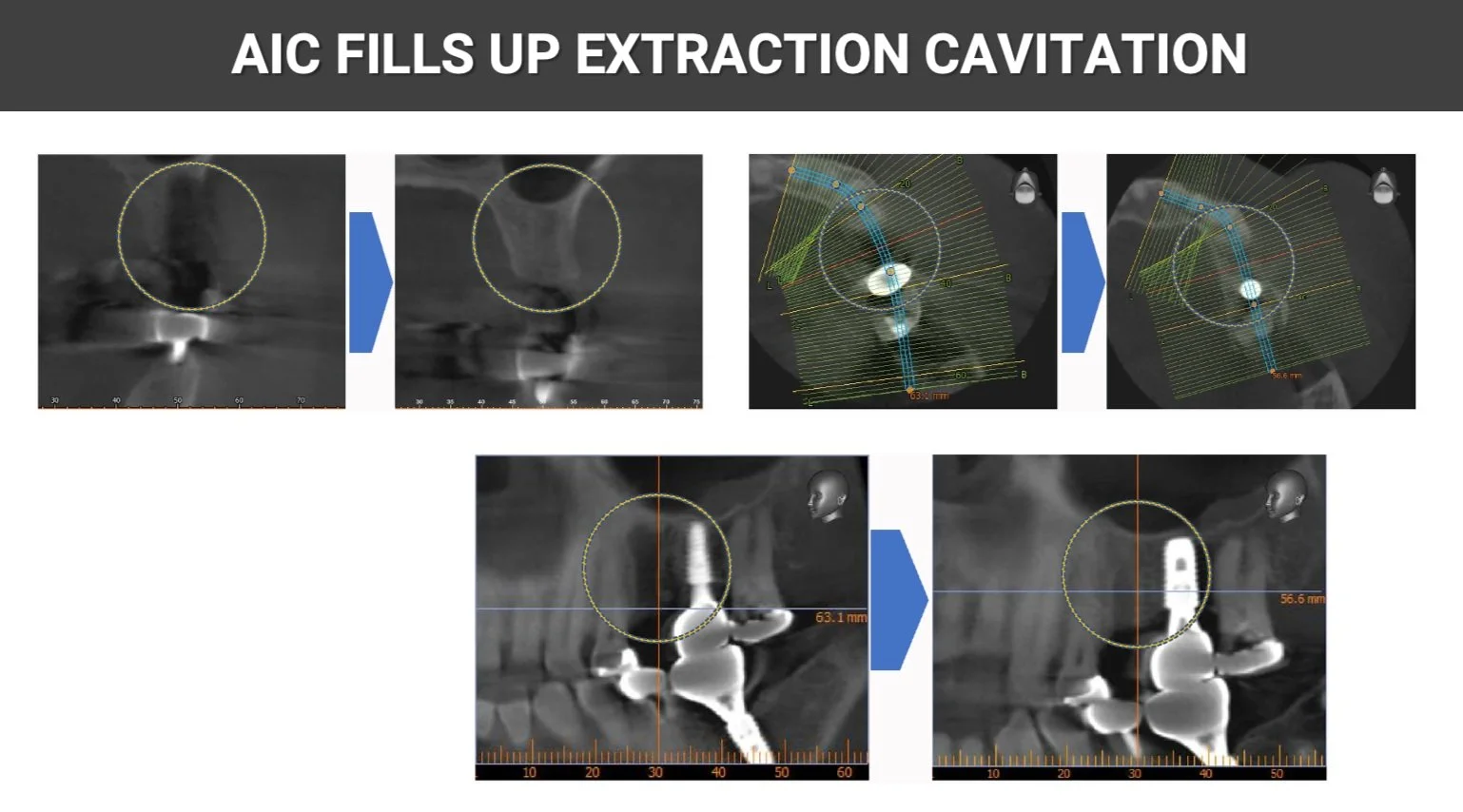
A 64-year-old from Canada underwent AIC therapy to aid bone regeneration following a dental extraction. Over 40 days he took AIC twice daily, aiming to accelerate healing and restore bone density. Initial scans showed a hollow cavitation in the alveolar bone, indicating slow natural recovery. However, with AIC therapy, progressive imaging revealed a steady filling of the defect, with newly formed bone integrating seamlessly into the site. By the end of the treatment period, the once-empty space had transformed into a dense, structured bone matrix, reinforcing the area’s stability.
What Not to Overlook in Periodontal and Bone Health
- Receding Gums Without InflammationSometimes, more than just soft tissue loss, underlying bone density changes could play a role.
- Persistent Gingival Bleeding with Good Oral HygieneIt could stem from weakened epithelial junctions or microvascular fragility rather than typical plaque-induced inflammation.
- Slow Healing After Dental WorkIt may suggest disrupted cellular repair mechanisms, especially in chronic inflammation or metabolic imbalances.
- Loose Teeth with Minimal PlaqueAccelerated bone resorption might be a contributing factor when infection isn't severe.
Conclusion
Calcium provides more than structural support—it plays a crucial role in keeping periodontal tissues resilient, regulating immune responses, and aiding regeneration. Clinical imaging shows how AIC can promote bone healing, speeding up recovery after dental procedures. Though periodontitis and osteoporosis affect different parts of the skeleton, they share key underlying mechanisms, such as excessive bone resorption and chronic inflammation. This connection underscores the broader impact of calcium balance on overall health. Despite good oral hygiene, subtle signs like gum recession without inflammation or persistent bleeding might hint at deeper imbalances that shouldn't be overlooked. Understanding these links allows for a more holistic oral and skeletal health approach.
Bring calcium signaling into your practice.
Practitioners can request a consultation to discuss AIC therapy and how these mechanisms apply to specific cases.
Newsletter content is educational and contributed by participating healthcare practitioners. These statements have not been evaluated by the FDA and are not intended to diagnose, treat, cure, or prevent any disease.