Introduction
Osteoporosis is a systemic skeletal disorder characterized by reduced bone mass and deteriorated bone microarchitecture, leading to increased fragility and fracture risk. Calcium is essential in regulating bone metabolism by modulating the activities of osteoclasts and osteoblasts. Disruptions in calcium signaling involving voltage-gated calcium channels (VGCCs) or transient receptor potential (TRP) channels can disturb the balance between bone resorption and formation. Calcium influx via VGCCs is crucial for osteoblast differentiation, while TRP channel-mediated calcium oscillations regulate osteoclast activity and bone resorption. Restoring calcium signaling reduces excessive osteoclast activation, minimizes bone loss, and enhances osteoblast-driven bone regeneration.
AIC Therapy targets these calcium signaling pathways by optimizing calcium oscillations and channel function. It prevents excessive bone resorption by modulating osteoclast activity and stimulates osteoblast differentiation by maintaining intracellular calcium homeostasis via VGCCs. This promotes bone formation and improves bone density by triggering endogenous calcitonin, making AIC Therapy a promising therapeutic option for managing osteoporosis and restoring bone health.
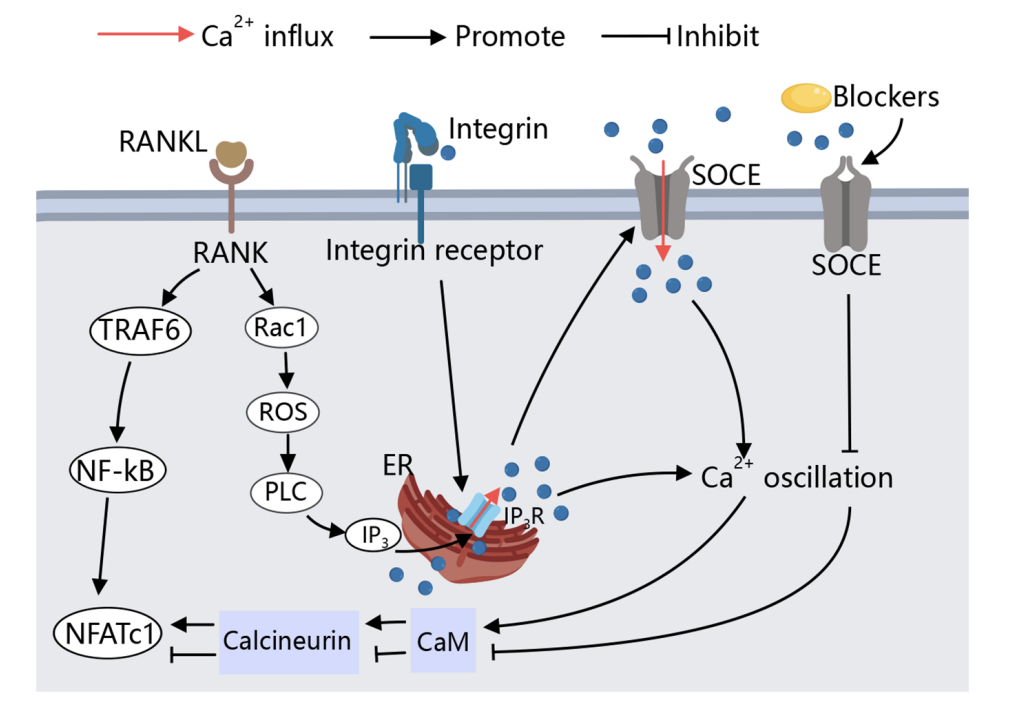
This figure illustrates how calcium signaling regulates the differentiation and activity of osteoclasts, the cells responsible for bone resorption. It highlights the role of calcium oscillations, triggered by external signals like RANKL, in activating pathways that promote osteoclast formation and function. The figure emphasizes the continuous need for calcium influx, which sustains these oscillations, and how disrupting this process can limit osteoclast activity, thus presenting a potential therapeutic target for treating osteoporosis.
Therapeutic Approaches to Calcium Homeostasis in Osteoporosis
Calcium signaling is central to maintaining the balance between bone resorption and formation, with osteoclasts responsible for resorption and osteoblasts for formation. Disruptions in calcium homeostasis can tip this balance towards excessive bone resorption, accelerating the progression of osteoporosis. Therapeutic strategies to restore calcium dynamics are critical for preventing further bone loss and promoting bone regeneration.
AIC Therapy addresses these disruptions by facilitating calcium influx through calcium channels, including SOCE and VGCCs. By precisely regulating the activities of osteoclasts and osteoblasts, AIC Therapy promotes healthy bone formation while mitigating excessive resorption, positioning it as an effective intervention for osteoporosis.
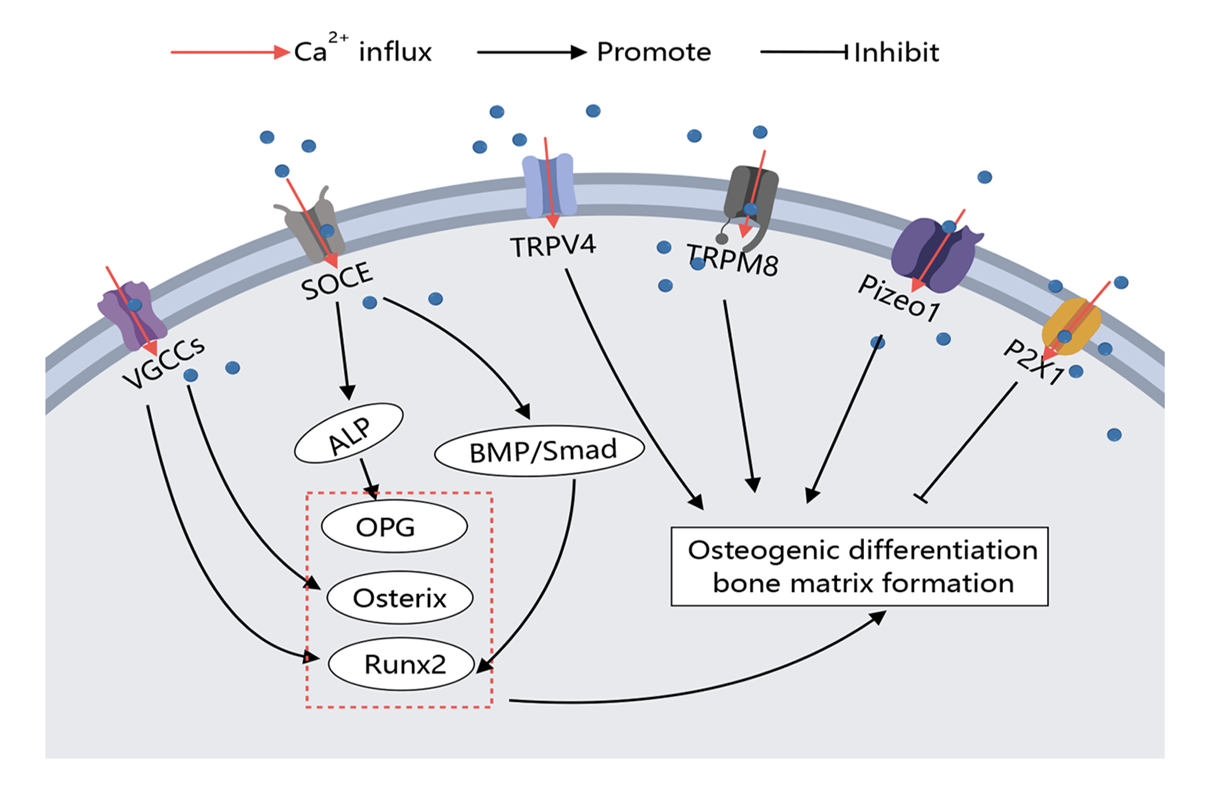
This Figure illustrates how different calcium channels on the surface of osteoblasts regulate bone formation. Calcium enters through these channels to activate critical pathways that promote bone differentiation and the production of bone matrix. By supporting these pathways, calcium helps balance bone formation and resorption. This figure highlights the importance of proper calcium signaling for osteoblast function and how disruptions in this process can reduce bone mass, a critical factor in osteoporosis.
Case Reflection 1
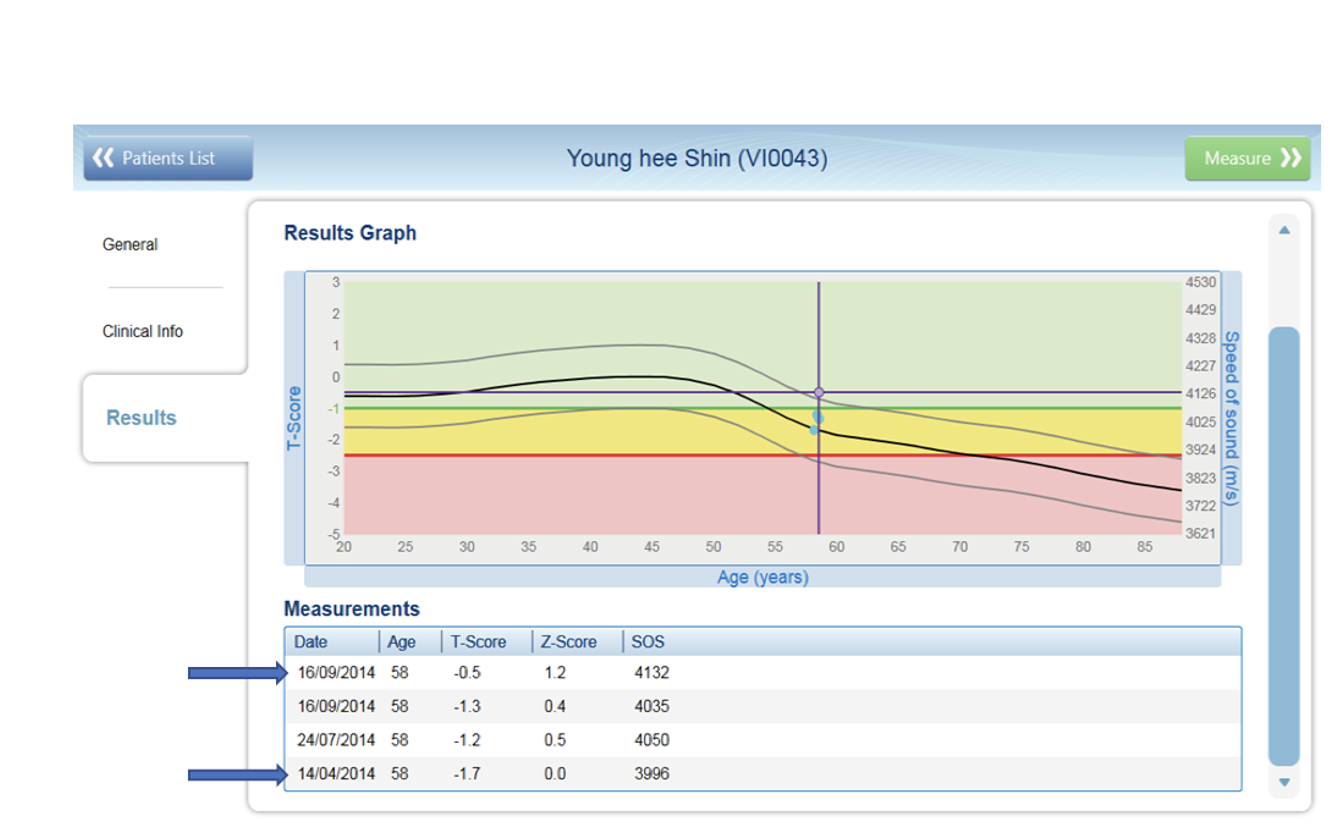
A 58-year-old female patient initially presented with osteopenia, with a baseline T-score of -1.7. After five months of treatment, her T-score improved to -0.5, representing a significant increase of +1.2. This improvement transitioned her bone density from the osteopenic range to the normal range for her age. The rapid progression from osteopenia to normal bone density over five months highlights the effectiveness of AIC Therapy in improving bone health and reducing the risk of further bone loss.
Case Reflection 2
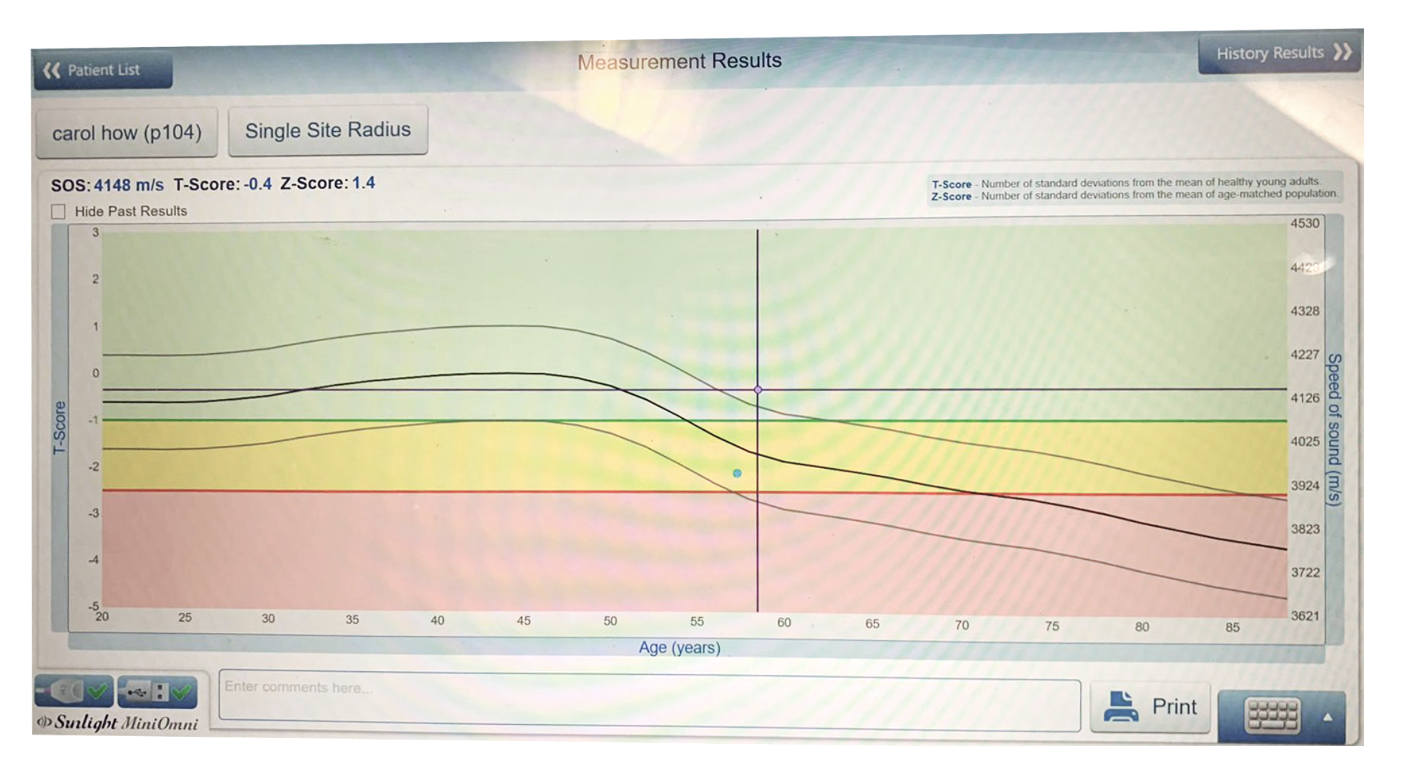
A 60-year-old female patient, initially diagnosed with osteoporosis, had a baseline T-score of -2.1. After one year of treatment, her T-score improved significantly to -0.4, reflecting an increase of +1.7. This substantial improvement shifted her bone density from the osteoporotic range to normal for her age. The case demonstrates the effectiveness of AIC Therapy in reversing osteoporosis and restoring healthy bone density within a year.
Conclusion
Restoring calcium signaling is vital for maintaining the equilibrium between bone resorption and formation, a crucial element in the prevention and treatment of osteoporosis. AIC Therapy effectively supports this balance by optimizing calcium regulation, enhancing bone formation, and reducing excessive resorption. Clinical evidence highlights notable bone density improvements, reinforcing calcium homeostasis's essential role in bone health. As a result, AIC Therapy emerges as a compelling therapeutic option for addressing osteoporosis, aligning with the physiological demands of bone remodeling and regeneration.
Bring calcium signaling into your practice.
Practitioners can request a consultation to discuss AIC therapy and how these mechanisms apply to specific cases.
Newsletter content is educational and contributed by participating healthcare practitioners. These statements have not been evaluated by the FDA and are not intended to diagnose, treat, cure, or prevent any disease.