This elemental signal triggers a cascade of events from the inflammatory phase, where immune cells clean the wound environment, to the proliferative phase, marked by tissue regrowth. Calcium-dependent enzymes like matrix metalloproteinases (MMPs) remodel the extracellular matrix, while calcium influx guides myofibroblasts to contract the wound edges, promoting closure. Without calcium’s precise signaling, the body’s repair mechanisms would lack the organization and efficiency required for effective tissue restoration.
Moreover, calcium’s impact extends beyond the basic repair stages, guiding the formation of new blood vessels—a process known as angiogenesis—within the healing site. Endothelial cells rely on precise calcium fluxes to migrate, align, and form stable vascular structures. These newly formed vessels deliver essential nutrients and oxygen, further accelerating tissue restoration. This synergy between calcium signaling and vascular growth ensures that regenerating cells receive a steady supply of resources, effectively strengthening the wound area and helping prevent complications. Disruptions in calcium homeostasis can interfere with these vascular networks, leading to prolonged recovery or incomplete healing.
On a more practical level, interventions that restore calcium signaling can bolster the body’s self-repair mechanisms. Meanwhile, AIC Therapy compounds that trigger endogenous calcitonin have shown promise in normalizing calcium homeostasis and expediting the healing process. Healthcare providers aim to optimize wound repair by targeting these underlying cellular communications, offering patients a more robust and efficient path toward recovery.
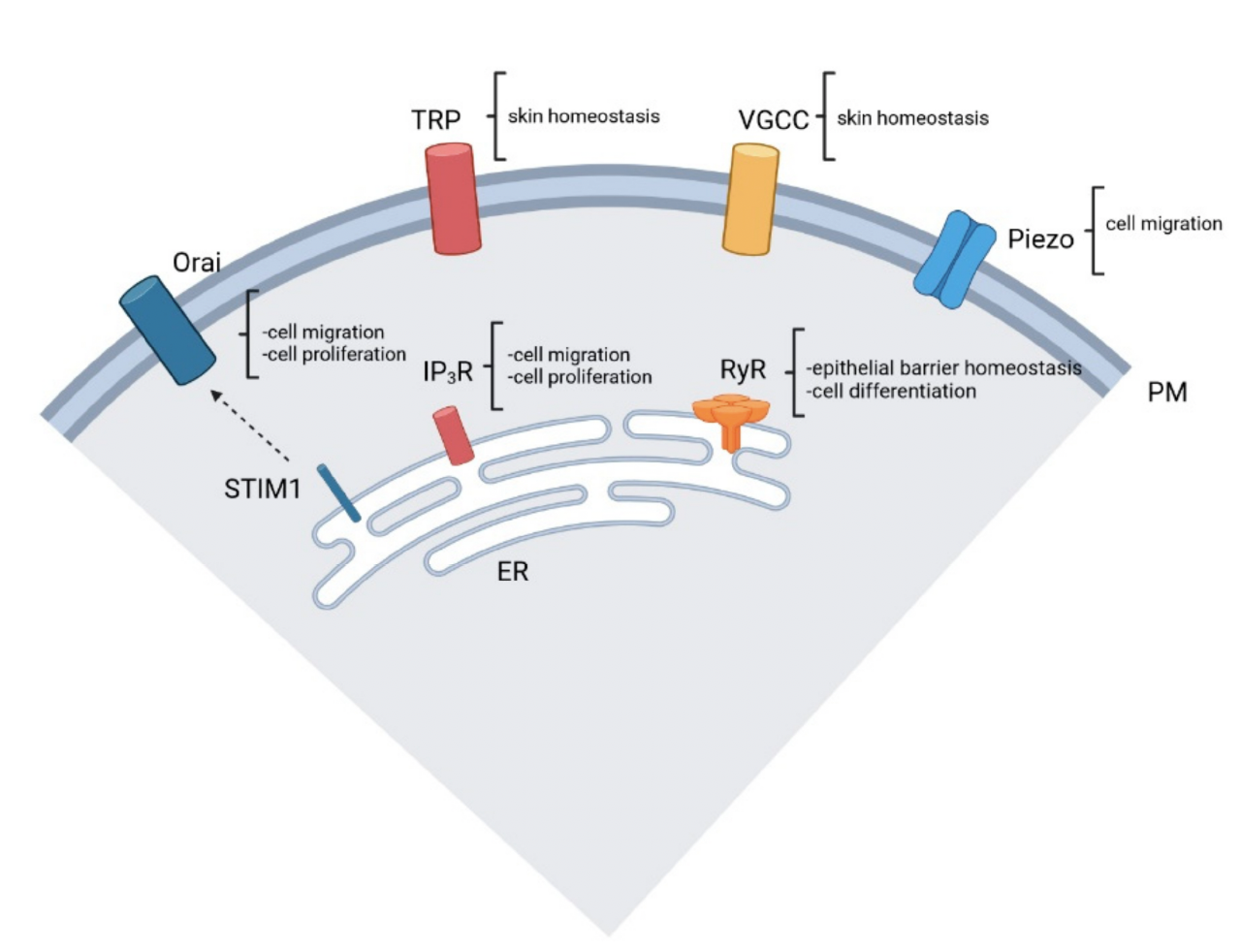
This figure explains the role of calcium channels in wound healing, showcasing how specific channels like VGCC, TRP, and Orai regulate key cellular processes. Calcium ions mediate crucial signaling events, promoting cell migration, proliferation, and differentiation during skin repair. VGCCs, for instance, convert membrane depolarization into calcium influx, supporting physiological processes but also delaying skin barrier recovery if overly active. Conversely, inhibitors of VGCCs accelerate healing by stabilizing calcium dynamics. Overall, calcium homeostasis maintained by these channels is essential for efficient wound repair and tissue regeneration.
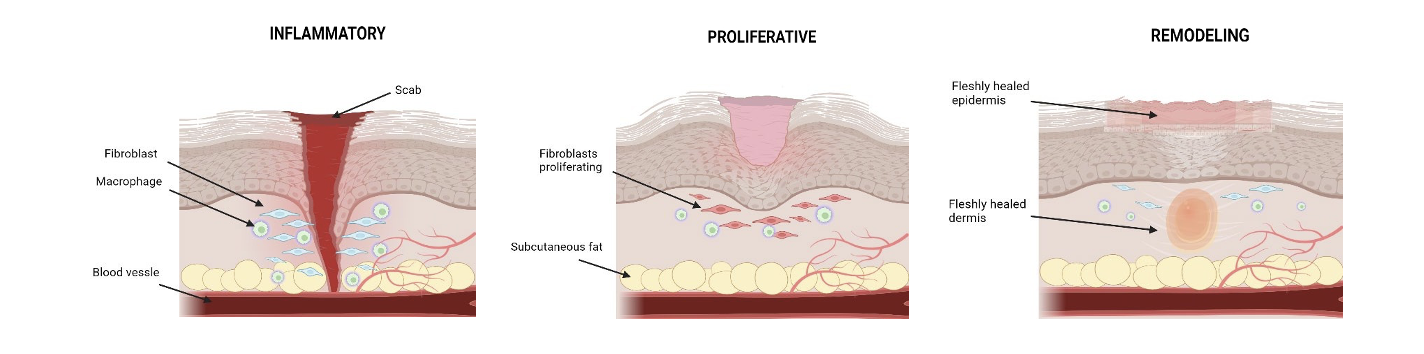
The wound is repaired through sequential steps with overlaps: hemostasis, inflammation, cell proliferation, and tissue remodeling (maturation and cell differentiation). Especially for complete wound healing, epithelialization needs to cover the wound site. Metal ions such as calcium, zinc, and magnesium are involved in wound healing. One of the most important ions is calcium, especially. Wound healing is a calcium-mediated process.
(UAMS. Winthrop P. Rockefeller Cancer Institute)
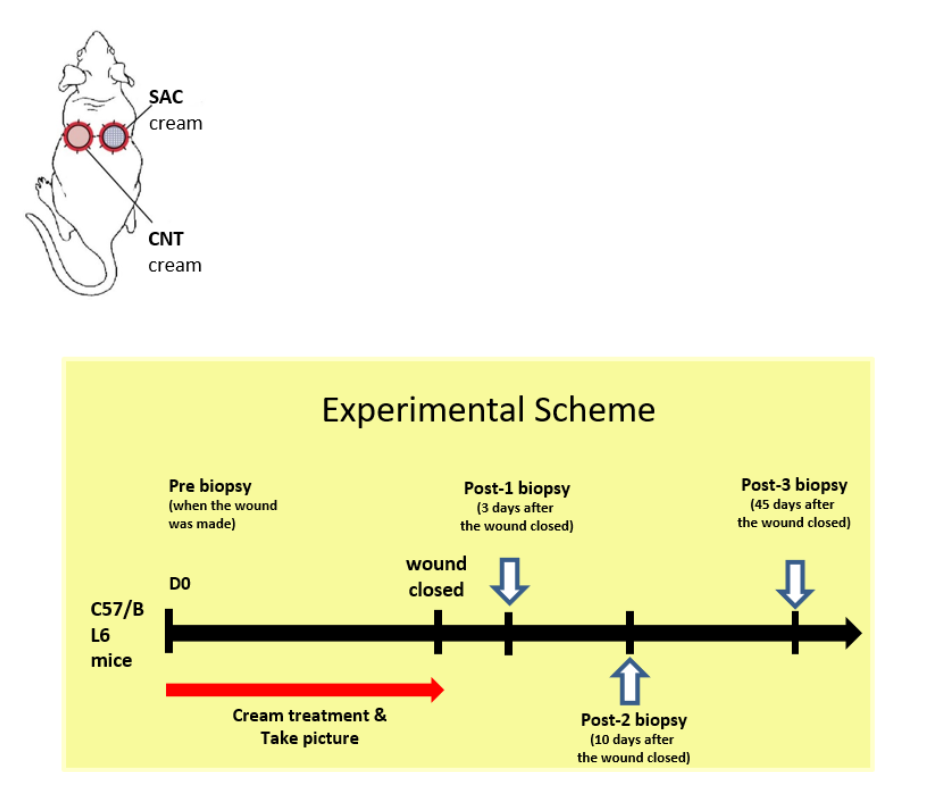
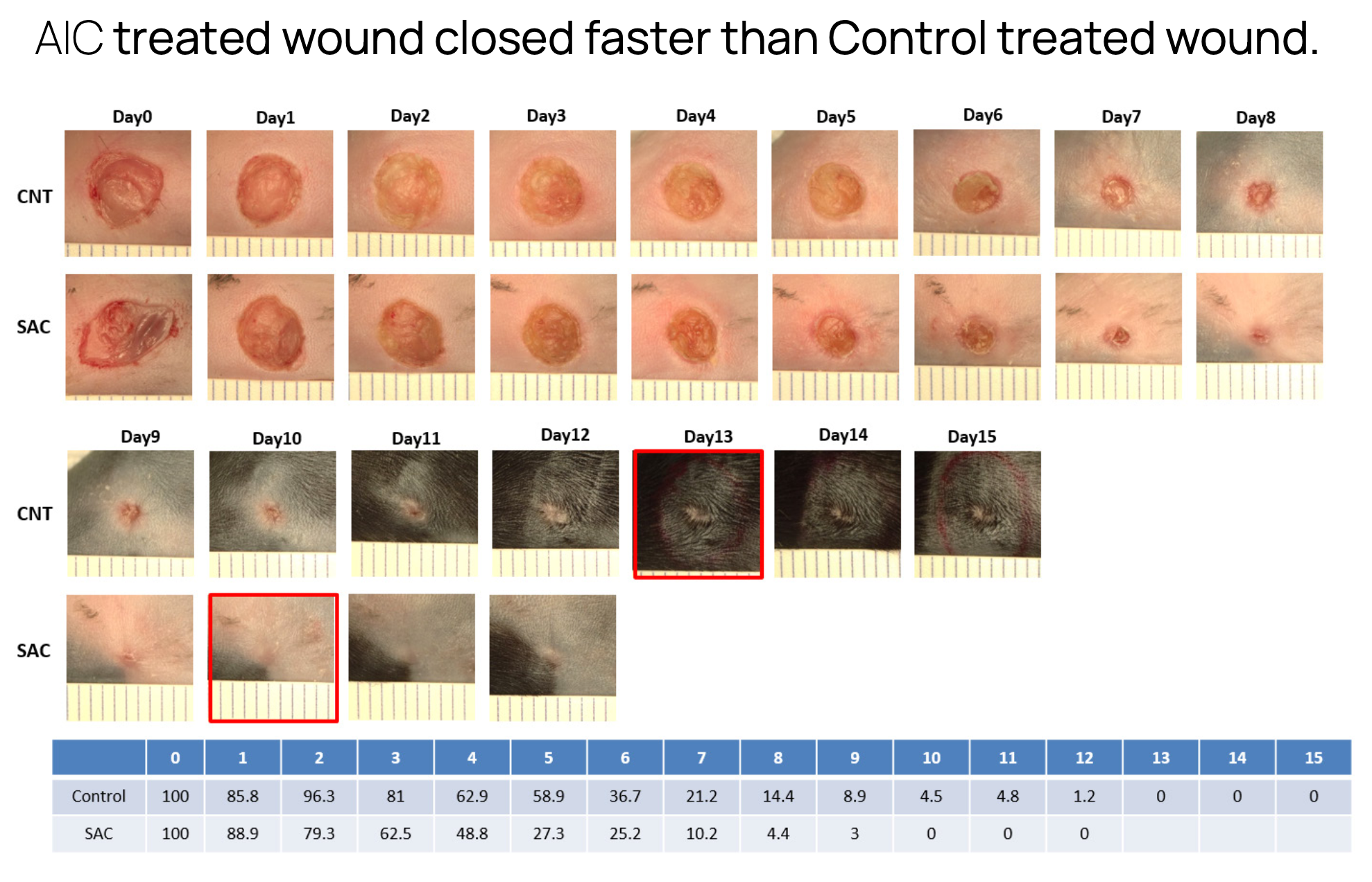
This figure showcases the experimental design and the healing progression. In the trial, 9-month-old female mice received 5 mm punch biopsy wounds treated with SAC cream containing active ionic calcium (AIC). The SAC group received cream applications twice daily from Day 0, leveraging AIC's role in enhancing calcium signaling and promoting cellular repair.
The results highlight AIC's impact: AIC-treated wounds exhibited rapid size reduction, achieving full closure by Day 12, compared to the control group, which required 15 days. Photographic evidence and measurements over time show a consistent trend—AIC therapy significantly accelerates tissue regeneration and wound healing compared to the control.
Case Spotlight: Calcium in wound healing
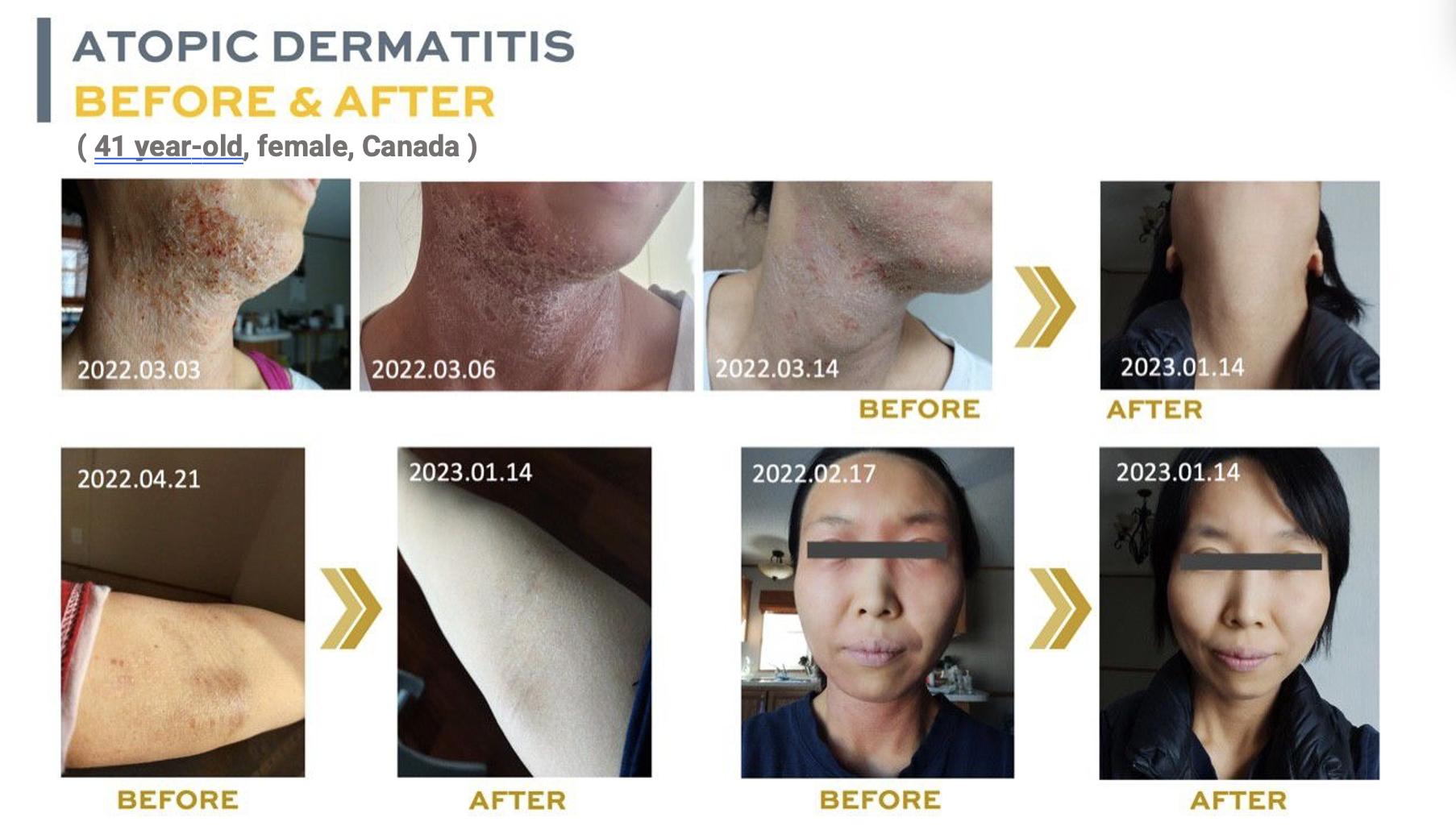
This remarkable case highlights a 41-year-old female with chronic atopic dermatitis, whose condition improved significantly following the incorporation of AIC therapy. Before treatment, the patient struggled with persistent skin inflammation, dryness, and delayed wound healing despite conventional approaches. AIC therapy restored calcium signaling, which enhanced skin barrier repair, reduced inflammation, and accelerated tissue regeneration. Within months, visible improvements were noted, including reduced redness, smoother skin texture, and complete closure of previously non-healing lesions. This case underscores the vital role of calcium in cellular repair processes, offering a promising adjunct therapy for patients with chronic skin conditions and impaired healing responses.
4 Common Myths About Wound Healing
1. Wounds Heal Faster When Left Open
Most wounds heal better in a moist environment. Open wounds risk infection and slower recovery.
2. Scabs Mean Proper Healing
Scabs can delay healing by blocking cell migration. Moist wound care promotes faster repair.
3. Antibiotic Ointments Are Always Necessary
Clean wounds rarely need antibiotics. Simple ointments like petroleum jelly suffice unless signs of infection appear.
4. Use Hydrogen Peroxide or Alcohol for Cleaning
These can harm healthy cells. Saline or mild soap and water is gentler and more effective.
Conclusion
Understanding calcium’s role in wound healing sheds light on its indispensable contribution to tissue repair. Calcium ensures that wounds heal efficiently and effectively by influencing every stage of the process—from initial immune response to matrix remodeling. This knowledge paves the way for developing targeted therapies to enhance healing in individuals with delayed or impaired recovery, offering new hope for improved wound care outcomes. The case highlights how restored calcium signaling significantly enhances skin barrier repair and accelerates wound healing in chronic conditions. Calcium's critical role in reducing inflammation and promoting tissue regeneration underscores its importance in efficient recovery. These findings position AIC therapy as a promising scientific approach to optimize wound healing and address persistent skin repair challenges.
Bring calcium signaling into your practice.
Practitioners can request a consultation to discuss AIC therapy and how these mechanisms apply to specific cases.
Newsletter content is educational and contributed by participating healthcare practitioners. These statements have not been evaluated by the FDA and are not intended to diagnose, treat, cure, or prevent any disease.